

Oozing describes something that flows, leaks, or slowly comes out, often in a thick or steady way. It can describe liquid coming from a wound, water leaking from a container, or a substance slowly escaping from a surface. It can also be used figuratively, such as a person oozing confidence, charm, or enthusiasm.
Finding the right alternative depends on what is coming out and how it is moving. Words such as seeping, leaking, flowing, trickling, exuding, and dripping may work in different situations, but they are not always interchangeable. This guide explains the closest synonyms for oozing, their meanings, tone, examples, and the contexts where each choice works best.
Quick Answer:
The closest synonyms for oozing include seeping, exuding, leaking, trickling, flowing, dripping, escaping, emerging, issuing, and emanating. The best choice depends on the context. “Seeping” suggests a slow movement through small spaces, while “exuding” often describes a substance slowly coming from a surface.
Quick List of Synonyms for Oozing:
Closest Alternatives
- Seeping
- Exuding
- Leaking
- Trickling
- Dripping
- Flowing
- Escaping
- Emerging
- Issuing
- Pouring
Formal and Neutral Alternatives
- Exuding
- Emitting
- Emanating
- Releasing
- Discharging
- Seeping
- Escaping
- Emerging
- Issuing
- Expelling
Contextual Alternatives
- Dribbling
- Trickling
- Bleeding
- Weeping
- Spilling
- Leaking out
- Slowly flowing
- Gradually escaping
- Coming through
- Giving off
Formal Alternatives to Oozing:

Exuding
Meaning: Slowly releasing or giving off a liquid, quality, or substance.
Explanation: “Exuding” is one of the closest formal alternatives to oozing. It can describe physical substances as well as qualities such as confidence or warmth.
Example: The plant was exuding a sticky resin.
Best Use: Scientific, professional, descriptive, and formal writing.
Worst Use: Very casual conversation where “coming out” or “seeping” would sound more natural.
Tone: Formal and precise.
Emitting
Meaning: Sending or releasing something outward.
Explanation: “Emitting” is broader than oozing. It can describe gases, light, sounds, heat, odors, or other substances.
Example: The damaged pipe was emitting a strong chemical odor.
Best Use: Technical, scientific, and industrial writing.
Worst Use: When you specifically need to describe a thick liquid slowly moving out.
Tone: Technical and formal.
Emanating
Meaning: Coming or spreading outward from a source.
Explanation: Emanating usually works better for smells, light, heat, sounds, or abstract qualities than for thick liquids.
Example: A pleasant smell was emanating from the kitchen.
Best Use: Descriptive and formal writing.
Worst Use: A sentence about blood or thick liquid physically coming from a wound.
Tone: Formal and descriptive.
Releasing
Meaning: Allowing something to escape or come out.
Explanation: “Releasing” focuses on the act of letting something out rather than the slow, thick movement associated with oozing.
Example: The container was slowly releasing oil.
Best Use: Technical instructions, reports, and general professional writing.
Worst Use: When the slow movement itself is important.
Tone: Neutral to formal.
Discharging
Meaning: Releasing a substance, liquid, or material.
Explanation: “Discharging” is commonly used for fluids, waste, chemicals, and other materials released from a system.
Example: The damaged tank was discharging contaminated water.
Best Use: Environmental, industrial, medical, and technical contexts.
Worst Use: Casual descriptions of ordinary household leaks.
Tone: Formal and technical.
Issuing
Meaning: Coming out or flowing from a particular source.
Explanation: “Issuing” can describe something emerging from a source, especially in formal descriptions.
Example: Smoke was issuing from the damaged building.
Best Use: Formal descriptive writing.
Worst Use: Casual conversation.
Tone: Formal.
Expelling
Meaning: Forcing something out.
Explanation: Expelling differs from oozing because it suggests force or pressure rather than slow, gentle movement.
Example: The valve was expelling water under pressure.
Best Use: Technical, mechanical, and scientific contexts.
Worst Use: A situation where the substance is simply slowly leaking.
Tone: Formal and forceful.
Escaping
Meaning: Getting out from a container, opening, or enclosed area.
Explanation: “Escaping” is broader than oozing and does not necessarily imply slow movement.
Example: Oil was escaping through a small crack.
Best Use: Reports, descriptions, and everyday writing.
Worst Use: When you specifically need to emphasize thick, slow movement.
Tone: Neutral.
Emerging
Meaning: Coming out or becoming visible.
Explanation: “Emerging” focuses on appearance or movement outward rather than liquid flow.
Example: Water was emerging from beneath the rocks.
Best Use: Descriptive and academic writing.
Worst Use: When the substance is clearly leaking through a tiny opening.
Tone: Neutral to formal.
Giving Off
Meaning: Releasing something such as a smell, heat, light, or quality.
Explanation: This is usually a contextual alternative rather than a direct synonym.
Example: The flowers were giving off a sweet scent.
Best Use: Everyday and descriptive writing.
Worst Use: Describing thick liquid physically leaving a container.
Tone: Neutral.
Semi-Formal and Neutral Alternatives:
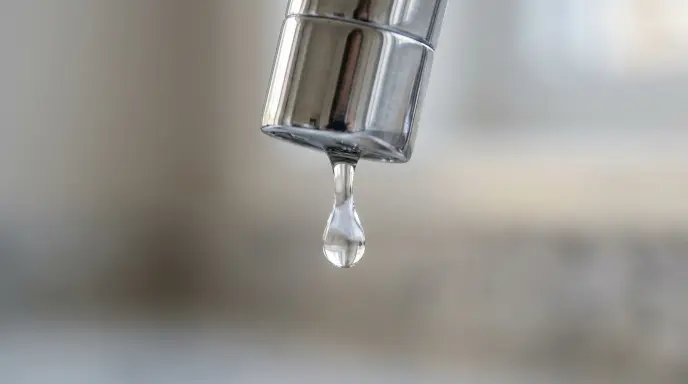
Seeping
Meaning: Slowly moving through small openings or spaces.
Explanation: “Seeping” is one of the strongest alternatives to oozing when liquid gradually moves through cracks, soil, walls, or other porous materials.
Example: Water was seeping through the basement wall.
Best Use: Leaks, moisture, fluids, and environmental descriptions.
Worst Use: Fast-moving liquids.
Tone: Neutral and descriptive.
Leaking
Meaning: Escaping through a hole, crack, or damaged area.
Explanation: “Leaking” emphasizes unwanted escape. It does not necessarily suggest slow or thick movement.
Example: Oil was leaking from the engine.
Best Use: Everyday, technical, and workplace communication.
Worst Use: Figurative descriptions where “oozing” expresses a quality.
Tone: Neutral.
Trickling
Meaning: Flowing slowly in a small stream.
Explanation: Trickling describes a gentle, narrow flow and is useful for water, tears, blood, or other liquids.
Example: A small stream of water was trickling down the wall.
Best Use: Small amounts of liquid moving gradually.
Worst Use: Thick substances spreading across a surface.
Tone: Neutral and descriptive.
Dripping
Meaning: Falling in individual drops.
Explanation: Dripping differs from oozing because it describes drops rather than a slow, thick flow.
Example: Paint was dripping from the brush.
Best Use: Paint, water, blood, rain, and similar liquids.
Worst Use: A substance slowly spreading through a surface.
Tone: Neutral.
Flowing
Meaning: Moving continuously from one place to another.
Explanation: Flowing is much broader than oozing. It does not suggest the slow or thick quality of oozing.
Example: Water was flowing from the broken pipe.
Best Use: General descriptions of moving liquids.
Worst Use: When slow, gradual movement is the main idea.
Tone: Neutral.
Weeping
Meaning: Slowly releasing liquid through tiny openings.
Explanation: In medical and construction contexts, “weeping” can describe fluid slowly coming from a wound, material, or surface.
Example: The wound was weeping slightly.
Best Use: Medical, construction, and descriptive contexts.
Worst Use: Formal writing where a more precise technical term is required.
Tone: Descriptive.
Spilling
Meaning: Accidentally flowing or falling out of a container.
Explanation: “Spilling” usually involves a larger or more uncontrolled release than oozing.
Example: Oil was spilling onto the floor.
Best Use: Accidental releases and containers.
Worst Use: Tiny, slow releases through a crack.
Tone: Neutral.
Dribbling
Meaning: Flowing or falling in small amounts.
Explanation: Dribbling suggests an uneven, small flow and is often used for liquids.
Example: Water was dribbling from the loose connection.
Best Use: Small, irregular flows.
Worst Use: Formal technical descriptions when greater precision is needed.
Tone: Casual to neutral.
Slowly Flowing
Meaning: Moving gradually rather than quickly.
Explanation: This phrase directly explains the movement without suggesting that the substance has a particular thickness.
Example: A dark liquid was slowly flowing from the damaged pipe.
Best Use: Clear descriptive writing.
Worst Use: When a single precise verb would make the sentence stronger.
Tone: Neutral.
Gradually Escaping
Meaning: Slowly getting out of a container or enclosed space.
Explanation: This phrase focuses on the gradual release rather than the texture of the substance.
Example: Gas was gradually escaping from the damaged cylinder.
Best Use: Technical and safety-related descriptions.
Worst Use: Casual descriptions where “leaking” is simpler.
Tone: Neutral to formal.
Informal and Casual Alternatives:

Coming Out
Meaning: Leaving or emerging from a place or object.
Example: A little water was coming out of the crack.
When it sounds natural: Casual conversation.
When to avoid it: Formal reports or professional writing.
Tone: Very casual and simple.
Leaking Out
Meaning: Slowly escaping from an enclosed space.
Example: Oil was leaking out of the container.
When it sounds natural: Everyday conversation and simple descriptions.
When to avoid it: When you need to emphasize a thick, slow texture rather than escape.
Tone: Casual to neutral.
Dribbling Out
Meaning: Coming out in small, irregular amounts.
Example: A little sauce was dribbling out of the packet.
When it sounds natural: Everyday conversation.
When to avoid it: Highly formal writing.
Tone: Casual.
Spilling Out
Meaning: Flowing outward from a container or space.
Example: Water was spilling out of the bucket.
When it sounds natural: Informal descriptions of uncontrolled flow.
When to avoid it: Tiny, slow leaks.
Tone: Casual to neutral.
Seeping Out
Meaning: Slowly escaping through small spaces.
Example: Moisture was seeping out of the wall.
When it sounds natural: Everyday descriptions involving moisture or liquids.
When to avoid it: Fast-flowing liquids.
Tone: Neutral.
True Synonyms vs Contextual Alternatives:
Not every alternative for oozing can replace it in every sentence. The difference usually involves speed, thickness, direction, or the type of substance involved.
| Type | What It Means | Can It Replace the Original? |
|---|---|---|
| True synonym | Very similar slow release or flow | Usually |
| Near synonym | Similar meaning with a small difference | Sometimes |
| Contextual alternative | Works only in certain situations | Depends |
| Broader expression | Describes the general idea | Sometimes |
| Narrower expression | Describes a specific kind of movement | Only in specific contexts |
Seeping is particularly close when something moves slowly through a surface. Exuding is useful when something gradually comes from a material or surface. Leaking focuses on escape, while trickling focuses on a small, slow stream.
Industry-Specific Usage:
Business Writing
Business writing usually benefits from precise words rather than vivid words such as “oozing.”
Use emerging, developing, releasing, leaking, or flowing depending on the context.
Example:
Instead of: “Information was oozing from the system.”
Use: “Information was gradually being released from the system.”
Corporate Communication
Corporate reports should identify exactly what is being released and how.
Example:
“The damaged pipe was leaking coolant.”
This is clearer than using “oozing” unless the slow, thick movement itself matters.
Academic Writing
Academic writing often favors precise terms such as seeping, exuding, emitting, and releasing.
Example:
“Moisture was seeping through the porous material.”
This is more precise than simply saying the material was oozing.
Customer Service:
Customer service language should be clear and easy to understand.
Example:
“Water is leaking from the bottom of the appliance.”
This is usually clearer than “water is oozing from the appliance.”
Legal Writing:
Legal writing should avoid replacing a term merely for stylistic variety if the exact physical description matters.
For example, leaking, discharging, and seeping can describe different forms of release. A legal document should use the term that accurately reflects the facts rather than choosing a more elegant synonym.
Email Communication:
For professional emails, choose specific words:
- Leaking for an unwanted escape
- Seeping for slow movement through a surface
- Releasing for controlled discharge
- Discharging for technical or industrial contexts
- Exuding for a formal descriptive context
Email Examples:
Client Communication
Subject: Water Seeping Through the Office Wall
Hello Sarah,
During our inspection, we noticed water seeping through the wall near the storage area. We are arranging an inspection to determine the source and will provide an update once we have more information.
Best,
Daniel
Project Update
Subject: Update on the Equipment Leak
Hello Team,
The maintenance team found that coolant was leaking from a connection near the main unit. The affected section has been isolated, and repairs are now underway.
Regards,
Michael
Customer Service
Subject: Your Appliance Service Request
Hello James,
Thank you for reporting the issue. Based on your description, the appliance may be releasing water from a damaged seal. We recommend stopping use until the unit can be inspected.
Best regards,
Customer Support
Academic Communication
Subject: Question About the Laboratory Observation
Dear Professor Lee,
During the experiment, I observed liquid slowly seeping through the material. I wanted to confirm whether this behavior is expected for the sample we were testing.
Thank you,
Emily
Vendor Communication
Subject: Oil Leak From Delivered Equipment
Hello Mark,
We noticed that oil is leaking from the lower connection on the equipment delivered yesterday. Could you please advise whether you would like us to arrange an inspection or return the unit?
Thank you,
Robert
Short Dialogue Examples:
Workplace
Person A: There is water coming through the wall.
Person B: It looks like moisture is seeping through from the other side.
Classroom
Person A: What is happening to the sample?
Person B: It appears to be slowly exuding liquid.
Customer Service
Person A: There is water coming from the bottom.
Person B: That sounds like the unit may be leaking.
Casual Conversation
Person A: Why is there sauce on the counter?
Person B: It is slowly leaking out of the packet.
Professional Discussion
Person A: How should we describe the material?
Person B: I would use “exuding” because the substance is gradually coming from its surface.
How to Replace “Oozing” in a Sentence:
Example 1
Original: Oil was oozing from the crack.
Alternative: Oil was seeping through the crack.
Why it works: “Seeping” emphasizes the slow movement through a small opening.
Example 2
Original: Water was oozing from the wall.
Alternative: Water was leaking through the wall.
Why it works: “Leaking” is clearer when describing an unwanted escape of water.
Example 3
Original: Resin was oozing from the tree.
Alternative: Resin was exuding from the tree.
Why it works: “Exuding” works well for a substance gradually released from a natural surface.
Example 4
Original: Blood was oozing from the wound.
Alternative: Blood was slowly flowing from the wound.
Why it works: The alternative explains the movement directly but loses some of the thick, slow sense of “oozing.”
Example 5
Original: Water was oozing through the soil.
Alternative: Water was seeping through the soil.
Why it works: “Seeping” is especially natural for liquid moving gradually through soil.
Example 6
Original: Oil was oozing out of the container.
Alternative: Oil was leaking out of the container.
Why it works: “Leaking” highlights the unwanted escape.
Example 7
Original: Confidence was oozing from him.
Alternative: He was exuding confidence.
Why it works: “Exuding confidence” is a natural figurative expression and sounds more polished.
Example 8
Original: A sweet smell was oozing from the kitchen.
Alternative: A sweet smell was emanating from the kitchen.
Why it works: “Emanating” is more appropriate for a smell spreading from a source.
Comparison of Useful Alternatives:
| Phrase | Tone | Meaning / Scope | Best Use | Example |
|---|---|---|---|---|
| Oozing | Descriptive | Slow, thick movement or release | General description | Oil was oozing out |
| Seeping | Neutral | Slow movement through small spaces | Water, moisture | Water was seeping through |
| Exuding | Formal | Gradual release from a surface | Resin, qualities | Resin was exuding |
| Leaking | Neutral | Unwanted escape | Pipes, containers | Water was leaking |
| Trickling | Descriptive | Small, slow stream | Water, tears | Water was trickling down |
| Dripping | Neutral | Falling in drops | Water, paint | Paint was dripping |
| Flowing | Neutral | Continuous movement | Liquids | Water was flowing |
| Emitting | Formal | Releasing outward | Gases, odors | The machine was emitting fumes |
| Discharging | Technical | Releasing material | Industrial settings | The pipe was discharging water |
| Emanating | Formal | Spreading from a source | Smells, heat, qualities | Heat was emanating from it |
Which Alternative Should You Choose?
For Formal Writing
Choose exuding, emitting, discharging, issuing, or emanating when the context supports them.
For Business Communication
Use leaking, releasing, seeping, or emerging because they are usually clear and direct.
For Academic Writing
Choose seeping, exuding, emitting, or releasing based on the substance and process being described.
For Legal Writing
Use the most factually precise term. Leaking, discharging, seeping, and escaping can describe different situations, so context matters.
For Professional Email
Prefer simple terms such as leaking, seeping, releasing, or coming through when they accurately describe the situation.
For Everyday Conversation
Leaking, dripping, trickling, coming out, and seeping are generally natural choices.
For Casual Messages
Use simple expressions such as leaking out, coming out, dripping, or spilling out when the situation allows.
Grammar and Usage Guide:
Oozing as a Verb Form
“Oozing” is the present participle of ooze.
Example:
“The liquid is oozing from the container.”
It can also function as part of a progressive verb phrase:
Example:
“Oil was oozing through the damaged seal.”
Oozing as a Descriptive Adjective
“Oozing” can describe something that is releasing or covered with a substance.
Example:
“The oozing wound required medical attention.”
Common Prepositions
The most common combinations include:
- oozing from a surface
- oozing through a crack
- oozing out of a container
- oozing into another area
- oozing through the soil
Examples:
“Water was oozing from the wall.”
“Oil was oozing out of the pipe.”
Figurative Usage
“Oozing” can also describe a quality that seems strongly present.
Example:
“She was oozing confidence.”
This use is usually informal or vivid rather than technical.
Common Mistakes to Avoid:
Treating Every Alternative as an Exact Synonym
“Dripping” and “oozing” both involve liquid, but dripping happens in drops while oozing suggests a slow, thick release.
Using “Emanating” for Every Liquid
“Emanating” is more natural for things such as smells, light, heat, or qualities. It is not a universal replacement for oozing.
Using “Discharging” in Casual Conversation
“Discharging” may sound overly technical when describing a simple household leak.
Ignoring Speed
“Pouring” suggests a much faster and larger movement than oozing. Do not use it when the slow pace matters.
Ignoring Texture
“Oozing” often suggests a thick or viscous substance. “Flowing” removes much of that suggestion.
Using Casual Wording in Formal Reports
“Coming out” may be understandable but is usually less precise than “seeping,” “leaking,” or “releasing.”
Changing the Intended Meaning
Replacing “oozing confidence” with “leaking confidence” creates an unnatural meaning. Figurative uses require their own suitable alternatives.
Choosing Variety Over Accuracy
Do not replace “oozing” simply to avoid repetition. If it is the most accurate word, keeping it may be better.
When Not to Use “Oozing”
When the Liquid Is Moving Quickly
Use flowing, rushing, pouring, or another accurate term instead.
When the Material Is Falling in Drops
Use dripping if individual drops are the important feature.
When You Mean an Ordinary Leak
Leaking is often clearer and more direct.
When the Substance Moves Through Porous Material
Seeping may be more precise.
When You Mean a Smell or Heat
Use emanating or coming from rather than forcing “oozing” into the sentence.
When Writing Technical Documentation
A more precise term such as releasing, discharging, emitting, or leaking may be preferable.
When the Audience Needs Simple Language
“Coming out” or “leaking” may be easier for general readers than “exuding.”
When “Oozing” Is Actually the Best Choice
Keep “oozing” when you want to emphasize slow, gradual, thick, or viscous movement. It is also useful for vivid figurative descriptions such as “oozing confidence” or “oozing charm.”
Advanced Writer Tips:
Tone Control
Use oozing for vivid descriptive writing, seeping for neutral physical descriptions, and exuding for more polished or formal language.
Professional Email Etiquette
Professional communication usually benefits from specific language. Instead of saying something is “oozing out,” explain whether it is leaking, seeping, releasing, or discharging.
Politeness
Word choice can affect how direct a message sounds. “There appears to be a leak” is often softer and more professional than “Your equipment is leaking badly.”
Context Alignment
Think about the source, substance, speed, and direction before selecting a synonym. The correct word should describe what is actually happening.
Precision
Ask whether the substance is moving through a surface, escaping from a container, falling in drops, or spreading from a source. Each situation can require a different verb.
Readability
Use the simplest accurate word. If “leaking” communicates the idea better than “exuding,” choose “leaking.”
Related Questions About Synonyms for Oozing:
What is another way to say oozing?
Depending on the context, you can say seeping, leaking, exuding, trickling, dripping, flowing, or escaping. “Seeping” is especially useful when something moves slowly through a small opening or porous surface.
What is a professional alternative to oozing?
Exuding, seeping, releasing, leaking, and discharging can work in professional writing. The right choice depends on the substance and the type of movement being described.
What is a formal alternative to oozing?
Exuding is one of the closest formal alternatives. Emitting, discharging, and emanating can also work in specific contexts, although they do not have exactly the same meaning.
Is oozing a formal word?
“Oozing” is a standard English word, but it often has a vivid or descriptive quality. It is appropriate in many forms of writing, although technical documents may benefit from a more precise term.
Can I use seeping instead of oozing?
Often, yes. “Seeping” is particularly appropriate when liquid moves slowly through soil, walls, cracks, or porous materials. However, it does not always carry the same suggestion of thickness that “oozing” can have.
What is the difference between oozing and leaking?
“Oozing” emphasizes slow, gradual movement, often involving a thick substance. “Leaking” emphasizes unwanted escape from a container, pipe, or enclosed space and does not necessarily imply slow movement.
What is the difference between oozing and exuding?
Both can describe something slowly coming from a surface. “Exuding” is generally more formal and can also describe qualities such as confidence or warmth. “Oozing” is more vivid and can suggest a thick or sticky substance.
Key Takeaways:
- Seeping is one of the closest alternatives when liquid moves slowly through a surface or small opening.
- Exuding works well in formal descriptions of substances or qualities gradually coming from something.
- Leaking focuses on unwanted escape rather than thickness or slow movement.
- Trickling describes a small, slow stream, while dripping describes separate drops.
- Choose the alternative based on the substance, movement, tone, audience, and context rather than simply replacing the word.
Conclusion:
The best synonym for oozing depends on exactly what you are describing. If a liquid slowly moves through a wall, soil, or crack, seeping is often the most natural choice. If a substance gradually comes from a surface, exuding can provide a more formal alternative. Leaking is better when unwanted escape is the main idea, while trickling and dripping describe specific types of liquid movement.
For professional and academic writing, precision should come before variety. A word such as discharging may be appropriate for an industrial process, while emanating may work for a smell or heat rather than a liquid. In casual writing, simpler choices such as coming out or leaking out may sound more natural. Keep oozing when its slow, thick, gradual, or vivid meaning is exactly what you want to communicate.