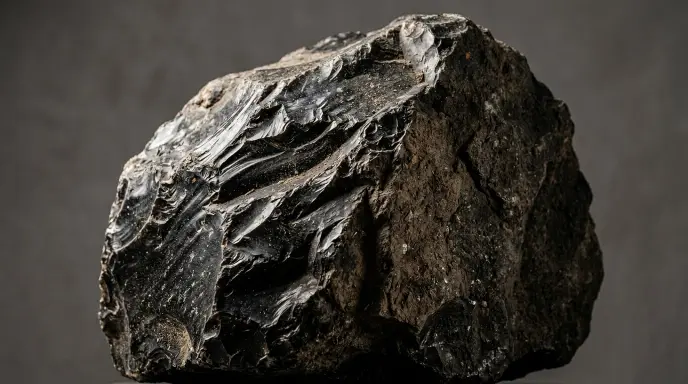
The word raw can describe food that has not been cooked, materials that have not been processed, data in its original form, or emotions that feel intense and unfiltered. It is a useful word, but choosing a more precise alternative can make your writing clearer and more natural.
People often search for synonyms for raw when writing essays, preparing professional reports, describing food, discussing technology, or expressing strong feelings. The best replacement depends on the situation. For example, uncooked works well for food, unprocessed describes materials or data, and unfiltered can describe honest thoughts or emotions. Understanding these differences helps you choose the right word without changing your intended meaning.
Quick Answer:
Common synonyms for raw include uncooked, unprocessed, untreated, unrefined, fresh, crude, rough, unfinished, unedited, unfiltered, natural, original, basic, inexperienced, and undeveloped. The best choice depends on context. Use uncooked for food, unprocessed for materials or data, and unfiltered for thoughts or emotions.
Quick List of Synonyms for Raw:
Here are 33+ alternatives to raw, grouped by meaning and usage.
Closest Synonyms for Raw
- Uncooked
- Unprocessed
- Untreated
- Unrefined
- Unedited
- Unfiltered
- Unfinished
- Undeveloped
- Crude
- Rough
Formal Alternatives to Raw
- Unprocessed
- Untreated
- Unrefined
- Unmodified
- Unaltered
- Unedited
- Unmitigated
- Unpolished
Neutral Alternatives to Raw
- Fresh
- Natural
- Original
- Basic
- Direct
- Genuine
- Pure
- Incomplete
- Unprepared
- Early-stage
Casual Alternatives to Raw
- Green
- Rough around the edges
- Straight-up
- Brand-new
- Just starting out
- Unfiltered
Contextual Alternatives to Raw
- Inexperienced
- Untested
- Untrained
- Unfinished
- Uncensored
- Primitive
- Unprocessed
- Intense
- Exposed
Remember that these alternatives are not interchangeable in every sentence. For example, fresh vegetables and raw vegetables can describe similar food, but fresh emphasizes condition while raw emphasizes the absence of cooking.
Formal Alternatives to Raw:
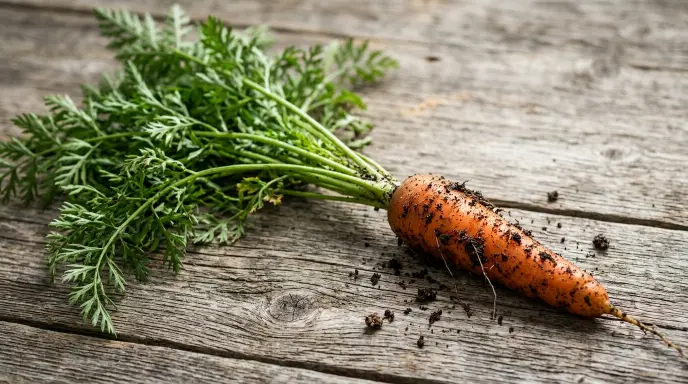
Formal alternatives are useful in business reports, academic writing, technical documents, and professional communication. Choose a word that accurately describes the condition or quality you mean.
1. Unprocessed
Meaning: Something that has not been treated, changed, or prepared.
Explanation: This is one of the closest alternatives when discussing materials, information, or data in its original state.
Example: The research team examined the unprocessed data before drawing conclusions.
Best Use: Data analysis, manufacturing, scientific reports, and technical writing.
Worst Use: Avoid it when describing strong emotions or an inexperienced person.
Tone: Formal and technical.
2. Untreated
Meaning: Something that has not received a treatment or special process.
Explanation: Untreated is suitable for materials, surfaces, water, and certain medical contexts. It emphasizes the absence of treatment rather than the absence of cooking.
Example: The furniture was made from untreated wood.
Best Use: Construction, manufacturing, and technical descriptions.
Worst Use: It is not a natural replacement for raw feelings or raw talent.
Tone: Neutral to formal.
3. Unrefined
Meaning: Something that has not been purified, improved, or polished.
Explanation: Unrefined often describes substances such as sugar or oil. It can also describe a person’s manners, speech, or style, although the meaning changes.
Example: The recipe uses unrefined sugar.
Best Use: Food production, materials, and descriptions of style.
Worst Use: Avoid it when you simply mean uncooked food.
Tone: Formal and descriptive.
4. Unmodified
Meaning: Something that has not been changed from its existing form.
Explanation: Unmodified is useful when the focus is on preserving the original version of an object, file, or system.
Example: The analyst reviewed the unmodified file.
Best Use: Technology, documentation, and technical reports.
Worst Use: It may sound unnecessarily technical in everyday conversation.
Tone: Formal and precise.
5. Unaltered
Meaning: Not changed or adjusted.
Explanation: Unaltered is close to raw when something remains in its original condition. However, it does not necessarily mean that the item has never been processed.
Example: The document was submitted in its unaltered form.
Best Use: Research, records, photographs, and formal reports.
Worst Use: Avoid it when you specifically need to say that food has not been cooked.
Tone: Professional and neutral.
6. Unedited
Meaning: Not corrected, revised, or prepared for publication.
Explanation: Unedited is a suitable alternative when raw refers to a first version of writing, audio, video, or other creative material.
Example: The editor received the unedited interview transcript.
Best Use: Publishing, journalism, filmmaking, and content production.
Worst Use: It does not describe untreated materials or uncooked food.
Tone: Professional and practical.
7. Unfiltered
Meaning: Not filtered or presented without much restraint.
Explanation: Unfiltered can describe substances that have not passed through a filter. In informal communication, it can also describe honest, direct, or unrestrained expression.
Example: Her unfiltered comments revealed what she really thought.
Best Use: Personal writing, interviews, reviews, and discussions.
Worst Use: Do not use it as a general synonym for unprocessed in technical contexts unless filtering is relevant.
Tone: Direct and expressive.
8. Unfinished
Meaning: Not completed.
Explanation: Unfinished works well when raw describes a draft, design, recording, or project that still needs work.
Example: The team presented an unfinished version of the website.
Best Use: Project updates, creative work, and drafts.
Worst Use: It is inaccurate when the item is complete but simply unprocessed.
Tone: Neutral.
9. Unmitigated
Meaning: Complete, absolute, or not reduced in intensity.
Explanation: Unmitigated can sometimes replace raw when describing intense emotion or a powerful experience, but it carries a different meaning and often appears with negative expressions.
Example: The decision was an unmitigated disaster.
Best Use: Formal commentary and emphatic writing.
Worst Use: Avoid it for raw food, raw materials, or ordinary data.
Tone: Formal and emphatic.
10. Unpolished
Meaning: Not refined, improved, or made smooth.
Explanation: Unpolished is useful for early drafts, presentations, performances, or skills that need improvement.
Example: His first presentation was unpolished but full of useful ideas.
Best Use: Feedback, creative projects, and performance reviews.
Worst Use: It can sound critical when describing a person’s communication or work.
Tone: Neutral, sometimes mildly critical.
11. Primitive
Meaning: Basic, early in development, or using simple methods.
Explanation: Primitive can describe an early tool or system, but it is not an exact synonym for raw. It may also sound judgmental when applied to people or cultures.
Example: The device used a primitive mechanical design.
Best Use: Carefully framed historical or technical descriptions.
Worst Use: Avoid it when you simply mean unprocessed or original.
Tone: Descriptive, sometimes negative.
12. Crude
Meaning: Roughly made, not refined, or lacking polish.
Explanation: Crude can describe raw materials, early models, estimates, or rough methods. It can also mean offensive or vulgar, depending on context.
Example: The engineers built a crude model to test the idea.
Best Use: Early prototypes, rough calculations, and unrefined materials.
Worst Use: Avoid it when you want to praise something as natural or fresh.
Tone: Direct and sometimes negative.
Semi-Formal and Neutral Alternatives to Raw:

These words work well in everyday writing and many professional situations. Their meanings depend on the noun they describe.
13. Fresh
Meaning: Recently made, gathered, or obtained; not stale.
Explanation: Fresh can overlap with raw when describing food, but fresh food may also be cooked.
Example: We prepared a salad with fresh vegetables.
Best Use: Food descriptions, produce, and recently collected information.
Worst Use: Do not use it to mean uncooked in every situation.
Tone: Positive and neutral.
14. Natural
Meaning: Existing in nature or not artificially produced.
Explanation: Natural may describe raw materials or ingredients, but a natural product is not necessarily raw or unprocessed.
Example: The company uses natural ingredients in its products.
Best Use: Food descriptions, materials, and general explanations.
Worst Use: Avoid it when the absence of processing is the specific point.
Tone: Neutral and often positive.
15. Original
Meaning: The first version or the form from which copies or changes are made.
Explanation: Original is useful when raw refers to source information, an initial document, or an early creative concept.
Example: Keep the original image before editing the file.
Best Use: Research, design, writing, and digital media.
Worst Use: It does not necessarily mean untouched or unprocessed.
Tone: Neutral and professional.
16. Basic
Meaning: Simple or at an introductory level.
Explanation: Basic can replace raw when describing an early model or simple form, but it does not mean that something is unprocessed.
Example: The team created a basic version of the application.
Best Use: Instructions, prototypes, and introductory explanations.
Worst Use: Avoid it when technical precision requires unprocessed.
Tone: Clear and neutral.
17. Direct
Meaning: Straightforward, without unnecessary steps or indirect wording.
Explanation: Direct can describe raw communication when a speaker expresses thoughts openly, but it does not always imply emotional intensity.
Example: She gave direct feedback on the proposal.
Best Use: Meetings, emails, feedback, and conversations.
Worst Use: Avoid it for food or materials unless the context supports that meaning.
Tone: Clear and confident.
18. Genuine
Meaning: Real, sincere, or authentic.
Explanation: Genuine can be an alternative to raw when describing honest emotion or a sincere reaction. It emphasizes authenticity rather than a lack of processing.
Example: His response showed genuine concern.
Best Use: Personal writing, reviews, and descriptions of feelings.
Worst Use: It is not a substitute for uncooked or unprocessed.
Tone: Warm and positive.
19. Pure
Meaning: Not mixed with other substances or free from certain unwanted elements.
Explanation: Pure may overlap with raw in discussions of materials, but raw substances are not automatically pure.
Example: The laboratory tested the purity of the sample.
Best Use: Chemistry, product descriptions, and ingredient discussions.
Worst Use: Do not use it without evidence when describing material composition.
Tone: Neutral and technical.
20. Incomplete
Meaning: Missing one or more parts.
Explanation: Incomplete is useful when raw refers to information or work that has not yet been fully prepared. It emphasizes missing elements, not necessarily a lack of processing.
Example: The report remains incomplete because two sections are missing.
Best Use: Reports, applications, assignments, and project updates.
Worst Use: Avoid it when the work is complete but unedited.
Tone: Neutral and factual.
21. Untested
Meaning: Not checked or tried to establish how well something works.
Explanation: Untested is appropriate for early products, ideas, methods, or assumptions. It emphasizes a lack of testing rather than a lack of processing.
Example: The team should not release an untested feature.
Best Use: Product development, software, and research.
Worst Use: It does not replace raw when describing the original state of data.
Tone: Practical and cautious.
22. Inexperienced
Meaning: Lacking experience or practice.
Explanation: Inexperienced is a close contextual alternative when raw describes a new worker or beginner.
Example: The inexperienced employee received additional training.
Best Use: Recruitment, mentoring, education, and performance feedback.
Worst Use: Avoid it for raw materials, food, or unprocessed information.
Tone: Neutral, though it may sound critical.
Informal and Casual Alternatives to Raw:

Casual alternatives can make dialogue and personal writing sound natural. Use them only when they match the intended meaning.
23. Green
Meaning: New or inexperienced.
Example: He is still green, but he learns quickly.
When it sounds natural: Informal conversations about new employees or beginners.
When to avoid it: Formal performance reports where a more precise description is needed.
Tone: Casual.
24. Rough Around the Edges
Meaning: Not fully polished or refined.
Example: The new presentation is rough around the edges, but the main idea is strong.
When it sounds natural: Friendly feedback about a draft, design, or performance.
When to avoid it: Technical documents requiring exact descriptions.
Tone: Conversational and mildly critical.
25. Straight-Up
Meaning: Direct, honest, or plainly stated.
Example: Give me a straight-up answer about the deadline.
When it sounds natural: Informal conversations and casual messages.
When to avoid it: Formal academic papers or legal documents.
Tone: Casual and direct.
26. Brand-New
Meaning: Completely new or recently introduced.
Example: We are testing a brand-new version of the app.
When it sounds natural: Everyday conversation about products, tools, or projects.
When to avoid it: When you mean raw data or something that has not been processed.
Tone: Friendly and informal.
27. Just Starting Out
Meaning: Beginning to learn or do something.
Example: She is just starting out as a photographer.
When it sounds natural: Conversations about careers, hobbies, and skills.
When to avoid it: Formal reports where inexperienced or entry-level is more concise.
Tone: Encouraging and conversational.
28. Unfiltered
Meaning: Open and direct, without much restraint.
Example: His unfiltered reaction made everyone laugh.
When it sounds natural: Casual discussions, social posts, and personal stories.
When to avoid it: When describing carefully verified information or technical processing.
Tone: Expressive and informal.
True Synonyms vs. Contextual Alternatives:
Not every alternative carries the same meaning as raw. A true synonym can replace the original word in a suitable context with little change in meaning. A contextual alternative works only when the surrounding sentence supports it.
| Type | What It Means | Can It Replace Raw? |
|---|---|---|
| True synonym | A word with nearly the same meaning in a particular context | Yes, when the context matches |
| Near synonym | A word with a similar but not identical meaning | Sometimes |
| Contextual alternative | A word that works in a specific situation | Only in suitable contexts |
| Broader expression | A word with a wider meaning | Sometimes, but precision may be lost |
| Narrower expression | A word with a more specific meaning | Only when that detail is intended |
For example, uncooked is a close synonym for raw in a sentence about food. Unprocessed works well for data or materials. Inexperienced can replace raw when describing a beginner, but not a raw ingredient.
Industry-Specific Uses of Raw:
Business Writing
In business writing, choose alternatives that explain the exact stage or condition of a task.
- Raw data → unprocessed data
- Raw draft → unfinished draft
- Raw estimate → preliminary estimate, if it is an early calculation
- Raw feedback → direct feedback, if the focus is on honesty
Example: The team reviewed the preliminary estimates before approving the budget.
Preliminary means early or not final; it does not necessarily mean unprocessed.
Corporate Communication
Corporate reports often benefit from precise language.
Instead of writing, “We received raw feedback,” consider “We received unedited customer comments” if the comments have not been edited, or “We received direct feedback” if the emphasis is on honesty.
For project updates, unfinished, initial, and unverified may be useful, but each describes a different condition.
Academic Writing
Academic writing requires clear distinctions between source material, incomplete work, and findings.
- Raw data: data in its original collected form.
- Original data: data collected firsthand or the source version, depending on context.
- Preliminary findings: early results that may change.
- Unprocessed samples: samples that have not undergone a specified procedure.
Example: The researchers retained the raw data for further analysis.
Do not replace raw data with preliminary findings unless you mean early interpretations rather than the data itself.
Customer Service
Customer service messages should be clear and respectful.
Instead of saying, “Your request is still raw,” explain the actual status:
- “Your request is still being reviewed.”
- “The information has not yet been processed.”
- “We have received your original submission.”
These phrases describe specific actions and are more helpful than vague wording.
Legal Writing
Legal documents require precise terminology. Words such as original, unaltered, untreated, and unprocessed may have different implications depending on the subject and applicable rules.
For example, an unaltered document has not been changed, while an original document may refer to the source version. The terms are not always interchangeable. Use the terminology appropriate to the document and seek qualified legal review when the distinction affects legal rights or obligations.
Email Communication
In professional emails, choose alternatives that explain what you need from the reader.
- “Please review the unedited draft.”
- “Could you share the unprocessed data?”
- “The preliminary results are ready for discussion.”
- “We have received your original submission.”
Specific wording helps colleagues and clients understand what has been completed and what remains to be done.
Email Examples Using Alternatives to Raw:
Email 1: Request for Unprocessed Data
Subject: Request for Unprocessed Survey Data
Hi Maya,
Could you send me the unprocessed survey data for the latest customer study? I would like to review the original responses before we begin the analysis.
Please let me know if any files are still being prepared.
Thank you,
Daniel
Email 2: Project Update About an Unfinished Draft
Subject: Website Copy for Review
Hi Team,
I have attached the unfinished draft of the new landing page. The main sections are in place, but the examples and final edits are still pending.
Please share any major concerns before I prepare the next version.
Best,
Alex
Email 3: Feedback on an Unedited Report
Subject: Report Review
Hello Jordan,
I have attached the unedited report for your review. Some sections may need changes to improve clarity and consistency.
Please focus on the main findings first. I will handle proofreading after we agree on the content.
Regards,
Taylor
Email 4: Customer Service Response About Fresh Ingredients
Subject: Information About Our Ingredients
Hello,
Thank you for contacting us about the ingredients in your order.
We use fresh vegetables in this dish. Some ingredients are served uncooked, while others are prepared according to the recipe.
Please let us know if you need details about a particular ingredient.
Best regards,
Customer Support
Email 5: Workplace Email About an Inexperienced Employee
Subject: Training Plan for the New Team Member
Hi Chris,
Since Jordan is inexperienced with this software, I recommend arranging a short training session before assigning the more complex tasks.
This should help Jordan build confidence and reduce avoidable errors.
Thanks,
Morgan
Email 6: Academic Email About Original Research Data
Subject: Research Data for the Next Meeting
Dear Professor Lee,
I have organized the original research data for our next meeting. I have not removed any responses or applied the final analysis yet.
Please let me know if you would like me to prepare a separate summary before we meet.
Sincerely,
Sam
Short Dialogue Examples:
Workplace Conversation
Person A: Is the new report ready?
Person B: Not yet. The draft is still unfinished, but the main findings are included.
Classroom Discussion
Person A: What does raw data mean in this experiment?
Person B: It means the original measurements before we organize or analyze them.
Customer Service Conversation
Person A: Are these vegetables cooked?
Person B: No. They are served fresh and uncooked.
Casual Conversation
Person A: What did you think of his feedback?
Person B: It was unfiltered, but some of his points were helpful.
Professional Discussion
Person A: Can we use this model in the presentation?
Person B: We can, but it is still a crude prototype and needs more testing.
How to Replace “Raw” in a Sentence:
1. Food
Original: The chef chopped raw carrots.
Alternative: The chef chopped uncooked carrots.
Why it works: Uncooked clearly states that the carrots have not been cooked.
2. Data
Original: The analyst checked the raw data.
Alternative: The analyst checked the unprocessed data.
Why it works: Unprocessed emphasizes that the data has not yet undergone processing.
3. Writing
Original: I sent my raw draft to the editor.
Alternative: I sent my unfinished draft to the editor.
Why it works: Unfinished emphasizes that the draft still needs work.
4. Emotions
Original: Her speech expressed raw anger.
Alternative: Her speech expressed intense anger.
Why it works: Intense emphasizes the strength of the emotion, although it does not fully capture rawness or lack of restraint.
5. Materials
Original: The workshop uses raw timber.
Alternative: The workshop uses untreated timber.
Why it works: Untreated is suitable if the timber has not received a treatment. It does not necessarily mean the timber has undergone no other processing.
6. Experience
Original: He is a raw recruit.
Alternative: He is an inexperienced recruit.
Why it works: Inexperienced makes the meaning clearer in formal writing.
7. Feedback
Original: The manager gave us raw feedback.
Alternative: The manager gave us direct feedback.
Why it works: Direct emphasizes straightforward communication. It may not capture every meaning of raw, but it sounds more natural in many workplace contexts.
8. Photography
Original: She saved the raw image file.
Alternative: She saved the original image file.
Why it works: Original works if the goal is to preserve the source version. In photography, however, a raw file is a specific file type, so the replacement may lose technical accuracy.
Comparison Table of Synonyms for Raw:
| Phrase | Tone | Meaning / Scope | Best Use | Example |
|---|---|---|---|---|
| Uncooked | Neutral | Not cooked | Food | Raw eggs are uncooked. |
| Unprocessed | Technical | Not processed | Data and materials | Review the unprocessed data. |
| Untreated | Technical | Not given a treatment | Wood and materials | The bench uses untreated wood. |
| Unrefined | Formal | Not purified or polished | Sugar, oil, style | The recipe uses unrefined sugar. |
| Unedited | Neutral | Not revised | Writing and media | Read the unedited transcript. |
| Unfiltered | Expressive | Not filtered or restrained | Speech and media | She shared an unfiltered opinion. |
| Unfinished | Neutral | Not complete | Projects and drafts | The design is unfinished. |
| Fresh | Positive | Recently obtained or not stale | Food and produce | We bought fresh vegetables. |
| Natural | Neutral | Existing in nature or not artificial | Ingredients and materials | The product contains natural ingredients. |
| Original | Neutral | Source or first version | Files and documents | Keep the original file. |
| Crude | Direct | Roughly made or unrefined | Models and estimates | They built a crude prototype. |
| Inexperienced | Neutral | Lacking experience | People and skills | The inexperienced worker needs training. |
| Untested | Cautious | Not tested | Products and methods | The feature is untested. |
| Genuine | Positive | Sincere or authentic | Feelings and reactions | Her concern was genuine. |
| Incomplete | Factual | Missing parts | Reports and forms | The application is incomplete. |
Which Alternative to Raw Should You Choose?
- Formal writing: Use unprocessed, unaltered, preliminary, or unfinished, depending on the meaning.
- Business communication: Use preliminary for early estimates, direct for straightforward feedback, and unfinished for incomplete work.
- Academic writing: Use raw data when referring to original collected data. Use unprocessed data when emphasizing that processing has not occurred.
- Legal writing: Use the exact term required by the document. Do not replace technical language just to make it sound different.
- Professional email: Prefer clear phrases such as unedited draft, original file, or information not yet processed.
- Everyday conversation: Use uncooked, fresh, rough, or unfinished when they fit.
- Casual messages: Use unfiltered, green, or rough around the edges when the tone is informal.
The best synonym is the one that preserves the meaning while making the sentence easier to understand.
Grammar and Usage Guide:
Is Raw an Adjective?
Yes. Raw is most often an adjective describing a noun.
Examples:
- Raw meat needs proper handling.
- The team reviewed raw data.
- She showed raw emotion.
Can Raw Be a Noun?
Yes. Raw can function as a noun in some specialized or informal expressions, especially when referring to raw footage or raw materials in shortened forms. In ordinary writing, the adjective is much more common.
Singular and Plural Forms
Raw does not change to match a singular or plural noun.
- A raw ingredient
- Several raw ingredients
- A raw file
- Multiple raw files
The noun changes, but the adjective stays the same.
Common Word Combinations With Raw
These combinations are common:
- Raw materials
- Raw data
- Raw food
- Raw talent
- Raw emotion
- Raw footage
- Raw deal
- Raw nerve
Each expression has its own meaning. For example, raw talent means natural ability that may not yet be developed, while raw deal means unfair treatment.
Using Raw With Prepositions
The preposition depends on the expression.
- Raw material for production
- Raw data from a survey
- Raw emotion in her voice
- Raw ingredients in the recipe
Do not choose a preposition based only on the word raw. Consider the full phrase.
Capitalization and Punctuation
Raw is not normally capitalized unless it begins a sentence or appears in a title according to the chosen style.
Correct: The report contains raw data.
Correct: Raw data can reveal patterns.
Common Mistakes to Avoid:
1. Treating Every Alternative as an Exact Synonym
Fresh does not always mean uncooked, and original does not always mean unprocessed. Check the intended meaning before replacing raw.
2. Using Uncooked for Non-Food Topics
Uncooked is usually related to food. For data, use unprocessed if that accurately describes its condition.
3. Confusing Raw With Rough
Rough often means uneven, incomplete, or not polished. Raw may mean unprocessed, intense, or inexperienced. The words overlap only in some situations.
4. Using Crude in the Wrong Context
Crude can sound negative or mean vulgar. Use unprocessed or unrefined if you want a more neutral description.
5. Using Casual Language in Professional Writing
Phrases such as straight-up may sound too informal in reports. Use direct or straightforward instead.
6. Replacing Raw Data With Original Data
Original data may refer to source data, but it does not necessarily mean that the data is unprocessed. Keep the technical distinction clear.
7. Ignoring Emotional Meaning
Raw emotion often suggests feelings that are intense and exposed. Replacing it with genuine emotion changes the emphasis from intensity to sincerity.
8. Choosing Vague Wording
Calling a project raw may leave readers unsure whether it is incomplete, untested, or unedited. Name the actual condition whenever possible.
When Not to Use the Word Raw:
Although raw is useful, a more specific word may work better in certain situations.
When a More Precise Word Is Available
Instead of saying “raw vegetables” when the key point is that they have not been cooked, you can say “uncooked vegetables.” The best choice depends on the surrounding sentence.
When Technical Accuracy Matters
In data analysis and photography, raw may refer to a particular original format or stage. Replacing it with fresh or basic could create confusion.
When the Word Sounds Too Harsh
Raw feedback may suggest blunt criticism. If you want a professional tone, direct feedback or constructive feedback may be more suitable, depending on the message.
When Writing for a Formal Audience
Words such as green and straight-up may sound too casual. Choose inexperienced and direct when those terms preserve the meaning.
When the Meaning Is Unclear
If raw could mean unfinished, unprocessed, or emotionally intense, state the intended meaning directly.
When Raw Is Actually the Best Choice
Keep raw when it is the accepted technical term, when the original meaning is clear, or when the word conveys an intensity that alternatives cannot fully capture.
Advanced Writer Tips:
Tone Control
Use unprocessed or unaltered for technical precision, direct for straightforward communication, and unfiltered for a more expressive tone. Avoid formal alternatives that add complexity without improving clarity.
Professional Email Etiquette
Describe the actual status of the work. “The draft is unfinished” is clearer than “The draft is raw.” Specific wording helps readers understand what action is needed.
Politeness and Word Choice
Words can affect how feedback sounds. Unpolished may suggest a weakness, while still in development can sound more constructive when discussing early work.
Matching Words to Context
Use uncooked for food, unprocessed for data, untreated for materials, and inexperienced for people. This simple distinction prevents many errors.
Choosing Precise Alternatives
Ask what raw means in your sentence. Does it describe a lack of processing, a lack of experience, an unfinished product, or intense emotion? Select a replacement that matches that meaning.
Improving Readability
Avoid replacing a short, familiar word with a long technical phrase unless the extra detail helps. A clear sentence is more useful than one filled with formal vocabulary.
Related Questions About Synonyms for Raw:
What Is Another Word for Raw?
Common alternatives include uncooked, unprocessed, untreated, unrefined, unedited, unfinished, fresh, rough, and unfiltered. The best choice depends on whether you are describing food, data, materials, work, or emotions.
What Is a Professional Alternative to Raw?
Professional alternatives include unprocessed, preliminary, unedited, unfinished, and direct. For example, use “preliminary findings” for early results or “unprocessed data” for data that has not been analyzed.
What Is a Formal Synonym for Raw?
Unprocessed, untreated, unaltered, and unrefined are useful formal alternatives. They are not interchangeable, so choose the word that describes the actual condition of the subject.
What Can I Use Instead of Raw?
Use uncooked for food, unprocessed for data, untreated for materials, unedited for writing, and inexperienced for a beginner. For emotions, intense or unfiltered may work, depending on the meaning.
Is Raw a Formal or Informal Word?
Raw is used in both formal and informal English. It is common in technical phrases such as raw data and raw materials, as well as expressive phrases such as raw emotion.
Can Unprocessed Replace Raw?
Yes, when raw means that something has not been processed. However, unprocessed does not work for every meaning of raw, such as raw talent or raw emotion.
What Is the Difference Between Raw and Crude?
Raw often means uncooked, unprocessed, or intense. Crude usually means roughly made, unrefined, or sometimes vulgar. They overlap in some contexts, but crude often carries a more negative tone.
Frequently Asked Questions:
1. What Is the Closest Synonym for Raw?
Unprocessed is one of the closest alternatives when raw describes materials or data. For food, uncooked is usually more precise. The best synonym depends on the noun and the meaning you want to express.
2. What Is a More Professional Word for Raw?
Unprocessed, unedited, preliminary, and unfinished can sound more precise in professional writing. Choose unprocessed for data, unedited for documents, and preliminary for early results or estimates.
3. What Is the Difference Between Raw and Unprocessed?
Raw can describe something uncooked, untreated, intense, or undeveloped. Unprocessed specifically emphasizes that a process has not been applied. This makes unprocessed useful in technical writing, especially when discussing data and materials.
4. Can Fresh Be Used as a Synonym for Raw?
Sometimes. Fresh can describe food that is also raw, but fresh refers to condition or recency, not necessarily the absence of cooking. Freshly cooked food can still be fresh.
5. What Does Raw Mean in Emotional Writing?
Raw emotion usually means intense, exposed, or unrestrained feelings. Words such as intense, unfiltered, and deeply felt may work as alternatives, but each emphasizes a slightly different aspect of the emotion.
6. Is Crude the Same as Raw?
No. Crude often describes something rough, unrefined, or poorly developed. Raw has a wider range of meanings. A crude model may be a rough early version, while raw data may simply be data that has not been processed.
7. How Do You Use Raw in a Sentence?
Raw is usually placed before a noun, as in “raw ingredients,” “raw data,” or “raw emotion.” It can also appear after a linking verb in sentences such as “The footage is raw.” Its exact meaning depends on context.
Key Takeaways:
- Use uncooked when describing food that has not been cooked.
- Choose unprocessed for data and materials that have not undergone processing.
- Use unfinished or unedited when describing work that still needs revision.
- Choose direct, unfiltered, or intense for certain emotional or communication contexts.
- Always check whether an alternative preserves the original meaning, tone, and technical accuracy.
Conclusion:
The word raw has several meanings, so the best replacement depends on what you are describing. Uncooked is usually the clearest choice for food, while unprocessed works well for data and materials. Untreated describes something that has not received a treatment, and unedited is useful for writing, audio, or video that has not been revised. When discussing early work, unfinished or unpolished may be more accurate.
Other alternatives, including fresh, natural, genuine, crude, and inexperienced, fit only certain situations. Fresh emphasizes condition, genuine emphasizes sincerity, and inexperienced describes a lack of experience. These differences matter in professional reports, academic writing, emails, and everyday conversations.
Before replacing raw, identify the meaning you want to preserve. Consider your audience, the subject, and the tone of the sentence. A precise alternative makes writing easier to understand without adding unnecessary words. If raw is already the clearest and most accurate term, there is no need to replace it simply to avoid repetition.