
A merchant is a person or business that buys and sells goods, often to earn a profit. The word is commonly used in business, trade, history, economics, and everyday writing. Depending on the situation, a merchant may operate a physical shop, sell products online, trade goods in large quantities, or supply products to other businesses.
Choosing the right alternative can make your writing clearer and more natural. Words such as trader, seller, vendor, retailer, and dealer are closely related to merchant, but they do not always mean exactly the same thing. Some describe a person’s role, while others refer to a specific type of business or sales activity. This guide explains the most useful alternatives, their meanings, and how to use them correctly in professional writing, academic work, emails, and everyday conversations.
Quick Answer:
Common synonyms for merchant include trader, seller, vendor, dealer, retailer, shopkeeper, businessperson, wholesaler, and commercial trader. The best choice depends on the context. Use seller for someone who sells goods, retailer for a business selling directly to consumers, and trader for someone involved in buying and selling goods or assets.
Quick List of Alternatives for Merchant:
Closest Synonyms:
- Trader
- Seller
- Vendor
- Dealer
- Commercial trader
- Goods trader
- Trading professional
- Businessperson
- Trading merchant
- Commercial seller
Formal and Professional Alternatives:
- Retailer
- Wholesaler
- Distributor
- Supplier
- Commercial operator
- Business owner
- Importer
- Exporter
- Trading company
- Commercial enterprise
Neutral and Everyday Alternatives:
- Shopkeeper
- Store owner
- Storekeeper
- Salesperson
- Shop owner
- Online seller
- Product seller
- Market trader
- Local trader
- Business owner
Contextual Alternatives:
- E-commerce seller
- Street vendor
- Market vendor
- Commodity trader
- Merchandise dealer
- General merchant
- Trading partner
- Reseller
- Stockist
- Provisioner
These words are related, but some describe specific business roles rather than exact synonyms. For example, a wholesaler sells goods in bulk, while a retailer usually sells products directly to individual customers.
Formal Alternatives for Merchant:
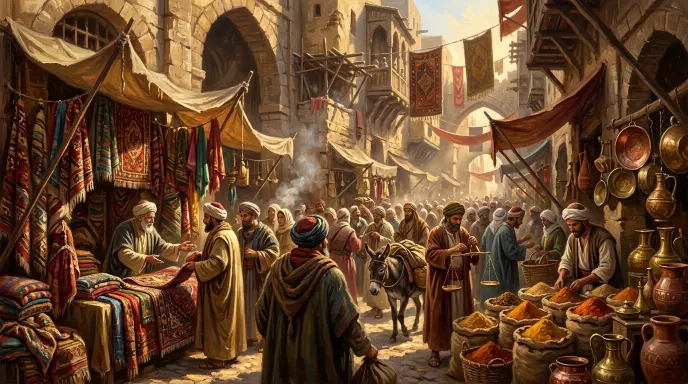
Formal alternatives work well in business reports, commercial documents, academic writing, and professional communication. Choose a term that describes the person’s actual role instead of selecting a formal-sounding word that changes the meaning.
1. Trader:
Meaning: A person or business that buys and sells goods, services, or financial assets.
Explanation: Trader is one of the closest alternatives to merchant. It often emphasizes the activity of buying and selling rather than ownership of a particular shop.
Example: The trader purchased textiles from local manufacturers and sold them to overseas buyers.
Best Use: Business reports, trade discussions, and economic writing.
Worst Use: Avoid it when you specifically mean a store owner who only sells products to consumers.
Tone: Professional and neutral.
2. Commercial Seller:
Meaning: A person or business that sells goods as part of a commercial activity.
Explanation: This phrase describes a merchant in a business-focused way, although it is more descriptive than a standard job title.
Example: The commercial seller supplied office furniture to several companies.
Best Use: Business documents where the selling role needs to be clear.
Worst Use: Avoid it when a simple word such as seller or retailer is more natural.
Tone: Formal and descriptive.
3. Retailer:
Meaning: A business or person that sells goods directly to consumers.
Explanation: A retailer can be a merchant, but the term is narrower because it focuses on retail sales rather than trade in general.
Example: The retailer introduced a new collection of winter clothing.
Best Use: Retail reports, shopping websites, and consumer markets.
Worst Use: Do not use it for a wholesaler who sells exclusively to other businesses.
Tone: Professional and specific.
4. Wholesaler:
Meaning: A person or business that sells goods in large quantities, often to retailers or other businesses.
Explanation: A wholesaler may be a merchant, but not every merchant operates at the wholesale level.
Example: The wholesaler delivered hundreds of electronic accessories to local stores.
Best Use: Supply chain reports and bulk purchasing agreements.
Worst Use: Avoid it when describing a business that sells individual products directly to customers.
Tone: Commercial and precise.
5. Distributor:
Meaning: A person or company that supplies products to retailers, dealers, or other buyers.
Explanation: A distributor often works within a manufacturer’s supply chain. The role may involve storage, transportation, marketing, or regional product distribution.
Example: The distributor supplied medical equipment to hospitals across the region.
Best Use: Product supply, logistics, and business partnerships.
Worst Use: Do not use it for every independent seller because distribution involves a more specific role.
Tone: Professional and industry-focused.
6. Supplier:
Meaning: A person or business that provides goods or materials to another party.
Explanation: A supplier may also act as a merchant, but the word emphasizes providing products rather than reselling them.
Example: The supplier delivered raw materials before the production deadline.
Best Use: Procurement, purchasing agreements, and vendor management.
Worst Use: Avoid it when the main point is that someone operates a shop selling products to the public.
Tone: Professional and practical.
7. Importer:
Meaning: A person or business that brings goods into a country from another country.
Explanation: An importer can be a merchant when buying and selling imported goods, but the term specifically describes cross-border purchasing.
Example: The importer brought specialty foods into the country for local distribution.
Best Use: International trade, customs documentation, and import businesses.
Worst Use: Do not use it for a seller whose products are sourced entirely within the same country.
Tone: Formal and specific.
8. Exporter:
Meaning: A person or company that sells or sends goods to another country.
Explanation: Exporter is a useful alternative when the merchant’s primary role involves international sales.
Example: The exporter shipped handmade furniture to customers in Europe.
Best Use: International commerce, shipping records, and trade reports.
Worst Use: Avoid it when the business only sells within its domestic market.
Tone: Professional and technical.
9. Businessperson:
Meaning: A person engaged in business activities.
Explanation: Businessperson is broader than merchant. It may describe someone involved in trade, management, services, investment, or other commercial work.
Example: The businessperson developed a network of suppliers and retail partners.
Best Use: General business writing when the person’s exact trading role is not important.
Worst Use: Avoid it when you need to distinguish a seller from a manager, consultant, or investor.
Tone: Formal and neutral.
10. Commercial Operator:
Meaning: A person or organization that runs a commercial activity or business.
Explanation: This expression can describe some merchants, but it does not specifically mean someone who buys and sells goods.
Example: The commercial operator expanded its services to three additional markets.
Best Use: Corporate documents and general descriptions of business operations.
Worst Use: Avoid it in everyday writing when trader or seller communicates the meaning more clearly.
Tone: Formal and administrative.
Semi-Formal and Neutral Alternatives:

These words are suitable for general business writing, product descriptions, websites, emails, and ordinary communication. Their meanings vary depending on the type of business.
11. Seller:
Meaning: A person or business that sells something.
Explanation: Seller is one of the clearest alternatives to merchant. It focuses on the act of selling rather than the wider activities of buying, trading, or managing a business.
Example: The seller offered free shipping on orders above $50.
Best Use: Online marketplaces, sales agreements, and everyday communication.
Worst Use: Avoid it when you need to identify a particular type of merchant, such as an importer or wholesaler.
Tone: Neutral and direct.
12. Vendor:
Meaning: A person or business that sells goods or services.
Explanation: Vendor is common in procurement, technology, events, and marketplaces. It may refer to a supplier or seller, depending on the context.
Example: The company selected a new vendor for its office supplies.
Best Use: Purchasing, business contracts, software services, and market stalls.
Worst Use: Avoid it when the intended audience may interpret vendor only as a supplier or service provider.
Tone: Neutral and professional.
13. Dealer:
Meaning: A person or business that buys and sells particular products.
Explanation: Dealer is especially common for vehicles, machinery, collectibles, and specialized goods. It can describe a merchant, but it often suggests a specific product category.
Example: The car dealer offered several financing options.
Best Use: Automotive businesses, equipment sales, and specialized markets.
Worst Use: Avoid it for a general shop unless the word fits the business’s role.
Tone: Professional and practical.
14. Shopkeeper:
Meaning: A person who owns or manages a shop.
Explanation: A shopkeeper may be a merchant, but the word emphasizes running a shop rather than trading goods through other channels.
Example: The shopkeeper helped the customer find the right size.
Best Use: Local businesses, community stories, and everyday descriptions.
Worst Use: Avoid it when discussing a large online retailer or international trading company.
Tone: Friendly and familiar.
15. Store Owner:
Meaning: A person who owns a retail store.
Explanation: This phrase identifies ownership rather than simply selling goods. A store owner may or may not personally manage daily sales.
Example: The store owner hired two employees for the holiday season.
Best Use: Business profiles, local news, and retail discussions.
Worst Use: Avoid it when describing a salesperson who does not own the business.
Tone: Neutral and clear.
16. Salesperson:
Meaning: A person whose job involves selling products or services.
Explanation: A salesperson may work for a merchant, but the term usually describes an employee or sales professional rather than the business owner.
Example: The salesperson explained the product’s features to the customer.
Best Use: Customer service, sales teams, and workplace communication.
Worst Use: Avoid it when the person owns a trading company and ownership is the main point.
Tone: Professional and approachable.
17. Shop Owner:
Meaning: A person who owns a shop.
Explanation: Shop owner is a straightforward expression for a merchant who runs a physical retail business.
Example: The shop owner introduced locally made products to the neighborhood.
Best Use: Local business articles, profiles, and everyday writing.
Worst Use: Avoid it for online-only merchants with no physical shop.
Tone: Neutral and conversational.
18. Reseller:
Meaning: A person or business that buys products and sells them again.
Explanation: A reseller can be a merchant, but the term highlights the resale of goods rather than manufacturing them.
Example: The reseller purchased refurbished laptops and sold them with a warranty.
Best Use: Electronics, software licensing, secondhand goods, and online marketplaces.
Worst Use: Avoid it when the business primarily manufactures its own products.
Tone: Commercial and specific.
19. Market Trader:
Meaning: A person who sells goods in a market or trading environment.
Explanation: The phrase often describes someone selling at a public market, but it can also refer to someone trading financial assets. Context helps clarify the meaning.
Example: The market trader displayed fresh produce at the morning market.
Best Use: Local markets, traditional commerce, and descriptions of market stalls.
Worst Use: Avoid it in financial writing unless the intended meaning is clear.
Tone: Neutral and descriptive.
20. Stockist:
Meaning: A business that keeps particular products in stock and sells them.
Explanation: Stockist is common in some varieties of English, especially British business usage. It identifies a seller that carries specific brands or products.
Example: The website lists an authorized stockist in every major city.
Best Use: Product availability pages, brand websites, and retail directories.
Worst Use: Avoid it when describing a trader who does not maintain inventory.
Tone: Professional and regionally familiar.
Informal and Casual Alternatives:

Casual alternatives are useful in conversation, simple explanations, and friendly writing. Some are descriptive expressions rather than direct synonyms.
21. Shop Owner:
Meaning: Someone who owns a shop.
Example: The shop owner knows many of the regular customers.
When It Sounds Natural: In everyday conversations about local businesses.
When to Avoid It: In a formal report where a specific role such as retailer or distributor is more accurate.
Tone: Friendly and straightforward.
22. Online Seller:
Meaning: A person or business that sells products over the internet.
Example: The online seller shipped my order the next morning.
When It Sounds Natural: In conversations about e-commerce, shopping platforms, or digital stores.
When to Avoid It: When the person only sells through a physical location.
Tone: Modern and neutral.
23. Local Seller:
Meaning: A person or business selling products within a particular area.
Example: We bought the handmade basket from a local seller.
When It Sounds Natural: When discussing community businesses or nearby shopping options.
When to Avoid It: When the merchant’s location is unknown or irrelevant.
Tone: Casual and approachable.
24. Street Vendor:
Meaning: A person who sells goods, food, or other products in a street or public area.
Example: A street vendor sold roasted corn near the park.
When It Sounds Natural: In conversations about street markets and informal retail.
When to Avoid It: When describing a wholesaler, online store, or office-based trading company.
Tone: Everyday and descriptive.
25. Small-Business Owner:
Meaning: A person who owns a small business.
Example: The small-business owner started selling handmade candles online.
When It Sounds Natural: When discussing entrepreneurship or a local merchant.
When to Avoid It: When the business size is unknown or the person is an employee rather than an owner.
Tone: Friendly and professional.
26. Product Seller:
Meaning: Someone who sells products.
Example: The product seller answered questions about delivery times.
When It Sounds Natural: In simple explanations, online listings, and customer conversations.
When to Avoid It: When a more precise term, such as dealer or retailer, is available.
Tone: Plain and direct.
True Synonyms vs. Contextual Alternatives:
Not every word related to merchant can replace it in every sentence. The following table shows how these alternatives differ.
| Type | What It Means | Can It Replace Merchant? |
|---|---|---|
| True or close synonym | Trader or seller engaged in commerce | Often, depending on context |
| Near synonym | Vendor or dealer | Yes, when the role matches |
| Contextual alternative | Shopkeeper or online seller | Only in the relevant setting |
| Broader expression | Businessperson | Yes, but it loses trading-specific meaning |
| Narrower expression | Wholesaler or retailer | Only when that sales role applies |
| Supply-chain role | Distributor or supplier | When the person provides or distributes goods |
| International trade role | Importer or exporter | When cross-border trade is relevant |
For example, a merchant who sells clothing directly to customers can be called a retailer. Calling that person a wholesaler would be inaccurate if the person does not sell goods in bulk to other businesses.
Industry-Specific Usage:
Business Writing:
In business writing, choose the alternative that describes the actual commercial relationship.
- Use trader for buying and selling goods.
- Use retailer for direct sales to consumers.
- Use supplier for providing products or materials.
- Use distributor for moving products through a supply network.
Example: The retailer purchased seasonal products from a regional distributor.
This sentence is more informative than referring to both parties as merchants because it explains their different roles.
Corporate Communication:
Corporate reports often require precise terms. Use vendor when discussing a company that provides goods or services, supplier when focusing on the supply of products, and trading partner when describing a broader commercial relationship.
Example: The company reviewed its vendor agreements before renewing its supply contracts.
Do not use commercial operator or businessperson as a substitute when a specific role is known.
Academic Writing:
In economics, history, and business studies, the best term depends on the subject.
- Merchant often suits historical trade and commercial activity.
- Trader suits buying, selling, and market exchange.
- Retailer suits consumer sales.
- Wholesaler suits bulk distribution to businesses.
Example: Medieval merchants helped connect distant markets through regional trade routes.
Replacing merchant with salesperson would change the historical meaning because a salesperson is usually someone employed to sell products rather than an independent participant in trade.
Customer Service:
Customer service language should be clear and respectful. Use seller for the person responsible for a sale, vendor for a marketplace provider, or store owner when referring to the person who owns a shop.
Example: Please contact the seller directly to request an update on your order.
The term merchant may still be appropriate for payment processing, where a merchant is a business that accepts payments from customers.
Legal and Commercial Writing:
In contracts and commercial policies, merchant may have a defined meaning. Some laws also use the term in specific ways, including rules concerning sales of goods and commercial transactions.
Do not replace it automatically with seller, vendor, or dealer in a legal document. These terms may describe different parties or carry different obligations.
Example: The agreement identifies the merchant responsible for processing the customer’s purchase.
For legal documents, follow the definitions in the agreement and the applicable law. This is general writing guidance, not jurisdiction-specific legal advice.
Email Communication:
Choose an alternative based on the email’s purpose.
- Client email: seller or retailer
- Purchasing request: supplier or vendor
- Distribution update: distributor
- International shipment: importer or exporter
- General business introduction: trading partner
Example: We would like to confirm whether your company can supply the requested materials by Friday.
This wording is more precise than asking whether a merchant can provide the materials when the recipient’s actual role is known.
Email Examples Using Merchant Alternatives:
1. Email to an Online Seller:
Subject: Request for Order Status
Hello,
I am writing to ask for an update on my recent order. The tracking page has not changed for three days.
Could you please confirm whether the package has been shipped and share the expected delivery date?
Thank you for your help.
Best regards,
Jordan
2. Email to a Supplier:
Subject: Request for Product Availability
Hello,
We are preparing our next purchase and would like to confirm the availability of the items listed in our previous quotation.
Please let us know the current prices, minimum order quantities, and estimated delivery times.
Thank you. I look forward to your reply.
Best regards,
Taylor
3. Email to a Distributor:
Subject: Delivery Schedule Confirmation
Hello,
Could you confirm the delivery schedule for our latest order?
We would appreciate an update on the dispatch date and any changes to the estimated arrival time. This information will help us plan our inventory.
Thank you for your assistance.
Kind regards,
Morgan
4. Email to a Retailer:
Subject: Question About Product Availability
Hello,
I am interested in purchasing the desk listed on your website. Before placing the order, I would like to confirm whether it is currently in stock.
Could you also let me know if delivery is available to my area?
Thank you for your time.
Best,
Alex
5. Email to a Trading Partner:
Subject: Exploring a Business Opportunity
Hello,
Our company is interested in exploring a potential partnership for the supply of household products.
Would you be available for a short meeting next week to discuss product selection, pricing, and delivery arrangements?
Please let me know which day works best for you.
Kind regards,
Casey
Short Dialogue Examples:
Workplace Conversation:
Person A: Who supplies our office equipment?
Person B: We work with a local supplier that handles most of our orders.
Classroom Discussion:
Person A: What did merchants do in medieval towns?
Person B: They bought and sold goods, often connecting producers with distant markets.
Customer Service:
Person A: Who should I contact about my missing package?
Person B: Please message the seller through the marketplace.
Casual Conversation:
Person A: Where did you buy that handmade mug?
Person B: From a local vendor at the weekend market.
Business Meeting:
Person A: Who distributes your products in the northern region?
Person B: We have a regional distributor that supplies retailers in that area.
How to Replace Merchant in a Sentence:
Example 1:
Original: The merchant sold handmade bags.
Alternative: The seller sold handmade bags.
Why It Works: Seller is a simple, direct alternative that focuses on the act of selling.
Example 2:
Original: The merchant purchased goods in bulk.
Alternative: The trader purchased goods in bulk.
Why It Works: Trader emphasizes buying and selling activity.
Example 3:
Original: The merchant opened a shop downtown.
Alternative: The shopkeeper opened a shop downtown.
Why It Works: Shopkeeper fits a person who runs a physical shop, although it does not necessarily establish ownership.
Example 4:
Original: The merchant supplied products to local stores.
Alternative: The wholesaler supplied products to local stores.
Why It Works: Wholesaler is suitable if the products were sold in bulk to those stores.
Example 5:
Original: The merchant sells clothing directly to customers.
Alternative: The retailer sells clothing directly to customers.
Why It Works: Retailer identifies the direct-to-consumer sales role.
Example 6:
Original: The merchant brought electronics from overseas.
Alternative: The importer brought electronics from overseas.
Why It Works: Importer is more precise if the person or company brought the products into the country.
Example 7:
Original: The merchant sent products to international buyers.
Alternative: The exporter sent products to international buyers.
Why It Works: Exporter works when the business sells or ships goods to another country.
Example 8:
Original: The merchant offered the customer a refund.
Alternative: The seller offered the customer a refund.
Why It Works: Seller is natural in a customer service context. The actual responsibility for issuing a refund depends on the business arrangement.
Example 9:
Original: The merchant displayed fresh fruit at the market.
Alternative: The market vendor displayed fresh fruit at the market.
Why It Works: Market vendor creates a more specific picture of someone selling at a market stall.
Example 10:
Original: The merchant maintained an online store.
Alternative: The online retailer maintained an online store.
Why It Works: Online retailer is suitable if the business sells products directly to consumers through the internet.
Comparison of Common Alternatives:
| Phrase | Tone | Meaning or Scope | Best Use | Example |
|---|---|---|---|---|
| Trader | Neutral | Buys and sells goods or assets | Trade and commerce | The trader purchased textiles. |
| Seller | Simple | Sells goods or services | General communication | The seller confirmed the order. |
| Vendor | Professional | Sells or supplies goods or services | Procurement and marketplaces | The vendor sent an invoice. |
| Dealer | Specific | Trades in particular products | Vehicles and equipment | The dealer offered a warranty. |
| Retailer | Professional | Sells to consumers | Consumer shopping | The retailer launched a sale. |
| Wholesaler | Technical | Sells goods in bulk | Supply chains | The wholesaler filled the order. |
| Supplier | Professional | Provides goods or materials | Purchasing | The supplier delivered the parts. |
| Distributor | Business-focused | Distributes products through a channel | Logistics | The distributor served local stores. |
| Shopkeeper | Familiar | Runs a shop | Local retail | The shopkeeper greeted customers. |
| Reseller | Commercial | Buys products to sell again | Online and secondhand sales | The reseller listed the laptop. |
| Importer | Technical | Brings goods into a country | International trade | The importer received the shipment. |
| Exporter | Technical | Sells or ships goods abroad | International trade | The exporter shipped furniture. |
| Businessperson | Broad | Engages in business | General descriptions | The businessperson expanded operations. |
Which Alternative Should You Choose?
For Formal Writing:
Choose trader, retailer, wholesaler, distributor, or supplier based on the actual role. These words are more informative than a vague business label.
For Business Communication:
Use vendor when referring to a business providing goods or services, and supplier when focusing on the provision of materials or products.
For Academic Writing:
Use merchant when discussing historical commerce or general commercial activity. Choose trader for buying and selling and retailer for consumer-facing sales.
For Legal Writing:
Retain merchant if it is the term defined by the relevant contract or law. Do not substitute another word merely to avoid repetition.
For Professional Emails:
Use seller for order questions, supplier for purchasing requests, and distributor for delivery and product-channel discussions.
For Everyday Conversation:
Choose seller, shopkeeper, shop owner, or local vendor. These expressions are easy to understand and sound natural.
For Casual Messages:
Use online seller or local seller when explaining where a product came from. Avoid forcing a formal business term into a simple conversation.
Grammar and Usage Guide:
Is Merchant a Noun?
Yes. Merchant is a countable noun referring to a person or business engaged in trade.
- Singular: The merchant opened a new store.
- Plural: The merchants opened new stores.
- Indefinite article: A merchant contacted the supplier.
- Definite article: The merchant confirmed the order.
Merchant vs. Merchants:
Use merchant for one person or business and merchants for more than one.
Correct: The merchant sells furniture.
Correct: Several merchants attended the trade fair.
Merchant vs. Merchant’s vs. Merchants’:
Use an apostrophe to show possession.
- Merchant’s: Something belonging to one merchant. Example: The merchant’s shop closes at six.
- Merchants’: Something belonging to multiple merchants. Example: The merchants’ association held a meeting.
- Merchants: The plural form without possession. Example: The merchants attended the event.
Natural Word Combinations:
Some words commonly appear with merchant.
- Merchant account
- Merchant services
- Merchant website
- Merchant agreement
- Merchant payment
- Merchant community
- Merchant network
- Merchant category
In payment processing, merchant usually refers to a business that accepts customer payments. A merchant account is a specific financial service arrangement, not simply another word for a shop.
Capitalization:
Use lowercase merchant in ordinary sentences unless it begins a sentence or appears in a proper name or title.
Correct: The merchant accepted the return.
Correct: Merchant Services is the name of the department.
Choosing the Right Preposition:
Common expressions include:
- A merchant of goods: The merchant of rare books attended the fair.
- A merchant in a particular field: She is a merchant in agricultural products.
- Products sold by a merchant: The goods were sold by a local merchant.
- Goods purchased from a merchant: We bought the equipment from a merchant.
The most natural construction depends on the sentence. In modern writing, a trader in agricultural products or a seller of rare books may sound more natural in some contexts.
Common Mistakes to Avoid:
1. Treating Every Alternative as an Exact Synonym:
Retailer, wholesaler, importer, and distributor describe different commercial roles. Select the word that matches the actual activity.
2. Using Retailer for Every Seller:
A retailer sells to consumers. A company selling only in bulk to other businesses is usually a wholesaler, not a retailer.
3. Confusing a Seller With a Business Owner:
A salesperson may sell products without owning the business. Use business owner or shop owner only when ownership is relevant.
4. Using Vendor When Supplier Is More Precise:
Vendor can refer to a seller or service provider. Supplier may be clearer when the sentence focuses on providing materials or goods.
5. Using Trader for Every Shopkeeper:
Trader can suggest broader buying-and-selling activity. Shopkeeper is more specific when you mean someone who runs a physical shop.
6. Choosing Formal Words to Sound Professional:
Terms such as commercial operator can make a simple sentence unnecessarily complicated. Use seller or trader if it communicates the idea more clearly.
7. Ignoring Industry Context:
In payment processing, merchant has a particular business meaning. In historical writing, it may refer to someone involved in long-distance trade. Always consider the subject.
8. Using Incorrect Plurals:
The correct plural is merchants, not merchant’s. The apostrophe is needed only for possession.
When Not to Use Merchant:
1. When a More Specific Role Is Known:
Use retailer, wholesaler, supplier, or importer if the person’s actual commercial role matters.
2. When Referring to an Employee:
A salesperson or sales associate is often more accurate than merchant when describing an employee who sells products on behalf of a business.
3. When Describing an Online Marketplace:
Use online seller or online retailer when the digital sales channel is relevant.
4. When Discussing a Supply Chain:
Supplier and distributor explain different responsibilities more clearly than merchant.
5. When Writing for a General Audience:
Seller may be easier to understand in a simple customer-facing message.
6. When a Legal Definition Applies:
Do not replace merchant in a contract or policy if the term has been specifically defined.
7. When the Person Does Not Sell Goods:
Businessperson may be more suitable for someone who manages a company but does not personally engage in buying and selling products.
When Merchant Is the Better Choice:
Merchant remains useful when discussing commerce in general, historical trade, payment acceptance, or a business that buys and sells goods. It is also suitable when the exact sales channel is unknown or does not matter.
Advanced Writer Tips:
Tone Control:
Choose the word that matches the reader’s expectations. Seller is plain and accessible, trader is commerce-focused, and retailer is more specific. Formality should never come at the expense of accuracy.
Professional Email Etiquette:
Use the recipient’s actual role. If a company supplies your materials, address it as a supplier rather than using merchant as a generic label.
Politeness:
A clear phrase is often more polite than a complicated one. For example, “Could you contact the seller about the order?” is direct and courteous.
Context Alignment:
Think about what the person actually does. Do they own a shop, sell directly to customers, distribute products, or buy goods in bulk? The answer helps identify the best alternative.
Precision:
Avoid switching between merchant, retailer, and wholesaler simply to reduce repetition. Repeating the accurate term is better than introducing a false distinction.
Readability:
Use short, familiar alternatives in customer-facing writing. Reserve specialized terms for situations where the reader benefits from that detail.
Related Questions About Merchant Synonyms:
What Is Another Word for Merchant?
Trader, seller, vendor, and dealer are common alternatives. Retailer and wholesaler are useful when the type of sales activity is known. The best choice depends on whether the person sells directly to consumers, trades goods, or supplies other businesses.
What Is a Professional Alternative to Merchant?
Trader, retailer, supplier, and distributor are professional alternatives. Choose the term that accurately describes the person’s role rather than using a more formal word simply for style.
What Is a Formal Word for Merchant?
Trader is a close alternative in general commercial writing. Commercial seller is a formal descriptive phrase, while retailer and wholesaler are more precise terms for specific sales models.
Can Seller Replace Merchant?
Often, yes. Seller is a broad, straightforward term for someone who sells goods or services. However, it does not necessarily communicate that the person buys goods for resale or operates a trading business.
Is Merchant a Formal Word?
Merchant is a standard noun used in both formal and everyday English. It appears in business, history, economics, and payment processing. It can sound more traditional than seller, but it is not outdated.
What Is the Difference Between a Merchant and a Trader?
A merchant generally refers to a person or business engaged in commerce, often involving goods. Trader emphasizes buying and selling and may also refer to someone who trades financial instruments. Their meanings overlap, but context matters.
What Is the Difference Between a Merchant and a Vendor?
Merchant often refers to a business involved in commercial sales, while vendor can mean a seller or a provider of goods and services. In procurement, vendor commonly identifies the business supplying an organization.
FAQs:
1. What Are the Closest Synonyms for Merchant?
The closest alternatives are trader, seller, vendor, and dealer. Each describes someone involved in selling or trading, but the best choice depends on the business activity. Trader emphasizes buying and selling, while seller focuses on offering goods or services to customers.
2. What Is the Best Synonym for Merchant in Business Writing?
Trader is a useful general alternative, but supplier, retailer, distributor, and wholesaler can be more accurate. Use the term that matches the person’s role in the transaction. This makes business writing clearer and avoids confusion about responsibilities.
3. Is Shopkeeper the Same as Merchant?
Not exactly. A shopkeeper is someone who manages or runs a shop, while a merchant is a broader term for a person or business involved in commerce. A shopkeeper may be a merchant, but a merchant does not need to operate a physical store.
4. Can Vendor Be Used Instead of Merchant?
Yes, in many business and purchasing contexts. Vendor is particularly common when referring to a seller or a company supplying products or services. However, merchant may be more suitable in historical trade, general commerce, or payment-processing contexts.
5. What Is the Opposite of Merchant?
There is no single exact opposite of merchant. Depending on the context, possible contrasts include buyer, customer, consumer, or purchaser. These words describe someone acquiring goods rather than selling them, although buyers and merchants can sometimes perform both roles.
6. What Is the Plural of Merchant?
The plural is merchants. For example, “The merchants attended the annual trade fair.” Use merchant’s to show possession by one merchant and merchants’ to show possession by multiple merchants.
7. Is Trader More Specific Than Merchant?
Not always. Trader often emphasizes buying and selling, but it can also refer to someone trading stocks, currencies, or other financial assets. Merchant generally emphasizes commercial activity involving goods or sales. The more specific term depends on the industry and sentence.
Key Takeaways:
- Trader, seller, vendor, and dealer are common alternatives for merchant.
- Retailer describes a business that sells directly to consumers.
- Wholesaler, distributor, supplier, importer, and exporter describe more specific commercial roles.
- Choose alternatives based on meaning, industry, audience, and tone.
- Keep merchant when it is the clearest term or has a defined meaning in a commercial or legal document.
Conclusion:
The best synonym for merchant depends on what the person or business actually does. Trader is a close alternative when the focus is buying and selling, while seller is a simple option for everyday writing. Vendor works well in procurement and marketplace settings, and dealer often suits specialized products such as vehicles or equipment.
More specific terms can improve accuracy. A retailer sells to consumers, a wholesaler sells in bulk, a distributor moves products through a supply chain, and a supplier provides goods or materials. An importer or exporter is involved in international trade. These distinctions help readers understand the commercial relationship without needing extra explanation.
Before replacing merchant, consider the audience, purpose, and industry. In a casual message, seller or shopkeeper may sound natural.Business report, retailer or distributor may provide greater precision. In Legal documents, retain merchant when it is a defined term. The right word is the one that preserves the intended meaning and makes the sentence easier to understand.