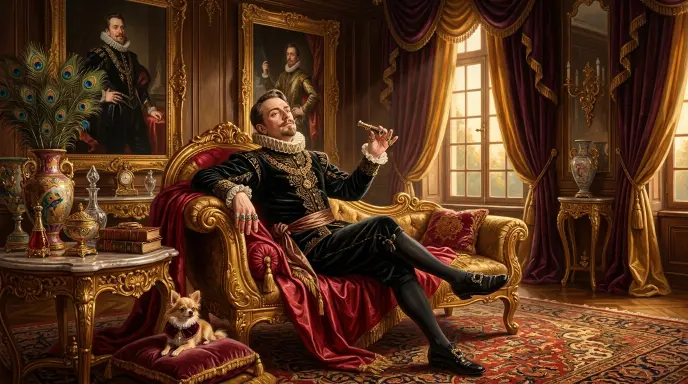
The word pretentious describes someone or something that tries too hard to appear important, intelligent, wealthy, or impressive. It often refers to people who act superior, use complicated language to show off, or make ordinary things seem more special than they really are. Words such as pompous, ostentatious, arrogant, and self-important can describe similar behavior, but each has a slightly different meaning.
People search for alternatives to pretentious to improve their vocabulary, make their writing more interesting, or express criticism with the right tone. Some words work well in professional writing, while others are better for everyday conversations, creative descriptions, and casual messages. Below, you will find useful alternatives, clear meanings, practical examples, and guidance to help you choose the right word.
Quick Answer:
Some of the closest synonyms for pretentious are pompous, ostentatious, grandiose, affected, self-important, arrogant, conceited, showy, snobbish, and bombastic. These words describe people, behavior, language, or styles that seem overly impressive, artificial, or designed to attract admiration.
Synonyms for Pretentious: Quick List:
Here are useful alternatives for different writing styles and situations.
Closest Synonyms for Pretentious:
- Pompous
- Ostentatious
- Grandiose
- Affected
- Bombastic
- Self-important
- Supercilious
- Highfalutin
- Pretentious
- Magniloquent
Formal Alternatives for Pretentious:
- Egotistical
- Haughty
- Arrogant
- Conceited
- Superficial
- Overbearing
- Inflated
- Presumptuous
- Self-aggrandizing
- Grandiloquent
- Ostentatious
- Self-important
Neutral Alternatives for Pretentious:
- Showy
- Flashy
- Elaborate
- Ornate
- Theatrical
- Exaggerated
- Artificial
- Overdone
- Affected
- Extravagant
- Overly formal
- Impressive-looking
Informal and Casual Alternatives for Pretentious:
- Snobby
- Stuck-up
- Big-headed
- Full of yourself
- Show-off
- Fancy-pants
- Hoity-toity
- High and mighty
- Too full of yourself
- Up yourself
Contextual Words to Describe Pretentious Behavior:
- Boastful
- Vain
- Self-centered
- Snobbish
- Superior
- Ostentatious
- Flashy
- Overconfident
- Artificial
- Showy
Formal Alternatives for Pretentious:
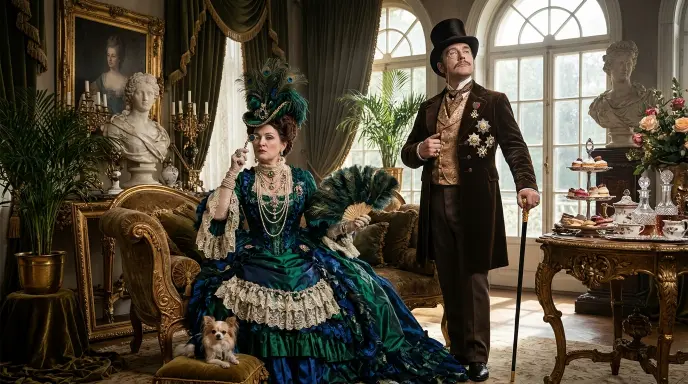
Formal alternatives can help describe exaggerated behavior, unnecessary displays of importance, or language that tries too hard to sound impressive. Choose the word based on the exact behavior you want to describe.
1. Pompous:
Meaning: Acting more important or impressive than you really are.
Explanation: Pompous is one of the closest alternatives to pretentious. It often describes people who speak or behave with exaggerated importance.
Example: The manager delivered a pompous speech about his achievements.
Best Use: Professional criticism, character descriptions, and formal discussions.
Worst Use: Avoid it when describing someone who is simply confident or proud.
Tone: Critical and formal.
2. Ostentatious:
Meaning: Designed to attract attention through an obvious display of wealth or luxury.
Explanation: Ostentatious is especially useful when pretentious behavior involves expensive clothing, decorations, possessions, or lifestyles.
Example: They hosted an ostentatious party at their newly purchased mansion.
Best Use: Describing luxury, fashion, architecture, and public displays of wealth.
Worst Use: It is less suitable for someone who simply uses complicated words.
Tone: Formal and critical.
3. Grandiose:
Meaning: More impressive or ambitious than is reasonable.
Explanation: Grandiose describes ideas, plans, claims, or behavior that seem excessively important or unrealistic.
Example: The company announced a grandiose plan without explaining how it would work.
Best Use: Business plans, speeches, promises, and creative descriptions.
Worst Use: Avoid it when describing something genuinely large or impressive without exaggeration.
Tone: Formal and slightly negative.
4. Arrogant:
Meaning: Having an exaggerated belief in your own importance or abilities.
Explanation: Arrogant is a near synonym because pretentious people may act as though they are better than others. However, arrogance focuses more on superiority than artificial impressiveness.
Example: His arrogant attitude made teamwork difficult.
Best Use: Describing personality, workplace behavior, and relationships.
Worst Use: Do not use it simply because someone dresses elegantly or enjoys expensive things.
Tone: Direct and critical.
5. Self-Important:
Meaning: Thinking that you are more important than you actually are.
Explanation: This phrase describes people who expect special attention or treat their opinions as unusually valuable.
Example: The self-important speaker refused to answer ordinary questions.
Best Use: Workplace feedback, social descriptions, and character writing.
Worst Use: It may sound too judgmental in sensitive professional communication.
Tone: Critical and descriptive.
6. Haughty:
Meaning: Showing an unfriendly attitude of superiority toward others.
Explanation: Haughty describes someone who behaves as though other people are beneath them. It focuses on attitude rather than showing off.
Example: She gave the new employees a haughty look.
Best Use: Literature, formal descriptions, and personality analysis.
Worst Use: Avoid it when describing someone who is merely quiet or reserved.
Tone: Formal and disapproving.
7. Egotistical:
Meaning: Having an excessive interest in yourself and your own importance.
Explanation: Egotistical describes someone who constantly focuses on personal achievements and opinions.
Example: His egotistical comments made the discussion uncomfortable.
Best Use: Personality descriptions and professional writing.
Worst Use: It is not the right choice for describing an expensive or overly decorated object.
Tone: Formal and negative.
8. Supercilious:
Meaning: Behaving as though you are better or more intelligent than others.
Explanation: This word describes a superior attitude that may appear in someone’s facial expressions, speech, or behavior.
Example: The critic made a supercilious remark about the beginner’s work.
Best Use: Literary writing and detailed character descriptions.
Worst Use: Avoid it in simple everyday messages because many readers may find it unfamiliar.
Tone: Highly formal and disapproving.
9. Bombastic:
Meaning: Using grand or complicated language to sound important.
Explanation: Bombastic is particularly useful when describing speeches, writing, or communication that uses too many impressive-sounding words.
Example: The politician’s bombastic speech contained very few practical ideas.
Best Use: Speech reviews, essays, writing criticism, and public communication.
Worst Use: It is less suitable for describing expensive clothing or furniture.
Tone: Formal and critical.
10. Magniloquent:
Meaning: Using impressive or grand language, often unnecessarily.
Explanation: Magniloquent is a close alternative when pretentiousness comes from exaggerated speech or writing.
Example: His magniloquent introduction made a simple presentation sound complicated.
Best Use: Literary criticism and advanced vocabulary.
Worst Use: Avoid it in casual conversation or basic professional emails.
Tone: Highly formal.
11. Grandiloquent:
Meaning: Using grand, elaborate, or impressive language.
Explanation: Grandiloquent is closely related to bombastic. It describes speech or writing that sounds more important than its message requires.
Example: The author used grandiloquent expressions to describe an ordinary event.
Best Use: Academic discussion, literary criticism, and speech analysis.
Worst Use: It is not appropriate for describing someone’s expensive lifestyle alone.
Tone: Formal and critical.
12. Presumptuous:
Meaning: Showing too much confidence or making assumptions without having the right.
Explanation: Presumptuous describes behavior that goes beyond what is considered appropriate. It may overlap with pretentiousness when someone acts as though they deserve special treatment.
Example: It was presumptuous of him to assume he would lead the project.
Best Use: Professional feedback and social situations.
Worst Use: Do not use it as a direct replacement when the issue is only showy appearance.
Tone: Formal and disapproving.
13. Overbearing:
Meaning: Trying to control others in an unpleasant or forceful way.
Explanation: Overbearing focuses on controlling behavior rather than exaggerated self-importance.
Example: The overbearing supervisor interrupted every team discussion.
Best Use: Workplace descriptions and interpersonal communication.
Worst Use: Avoid it when describing decorative styles or grand language.
Tone: Formal and negative.
14. Self-Aggrandizing:
Meaning: Making yourself appear more important or successful than you are.
Explanation: This is a particularly useful alternative when someone exaggerates personal achievements to gain admiration.
Example: His self-aggrandizing presentation ignored the contributions of his colleagues.
Best Use: Business reports, professional criticism, and formal writing.
Worst Use: It can sound unnecessarily complicated in everyday conversations.
Tone: Formal and strongly critical.
15. Affected:
Meaning: Artificial or unnatural behavior intended to create a particular impression.
Explanation: Affected describes behavior, speech, or style that seems deliberately performed rather than genuine.
Example: Her affected accent made the conversation feel uncomfortable.
Best Use: Literature, communication, fashion, and personality descriptions.
Worst Use: Do not use it to describe something that is naturally elegant or refined.
Tone: Formal and disapproving.
Semi-Formal and Neutral Alternatives:
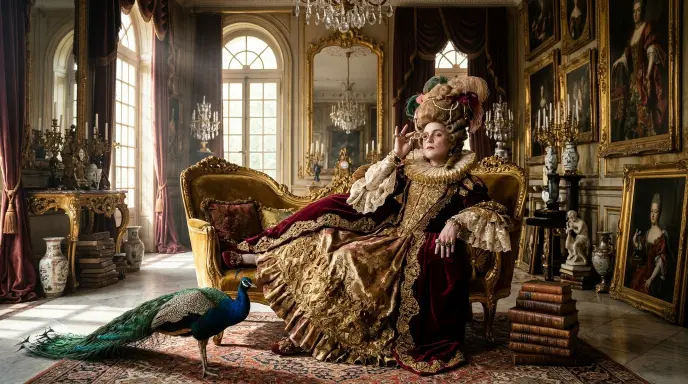
These alternatives can describe things that appear excessive, artificial, or designed to attract attention. They are not all exact synonyms, so consider their meanings before using them.
16. Showy:
Meaning: Designed to attract attention.
Explanation: Showy describes something noticeable or flashy. It can suggest pretentiousness when the display feels unnecessary.
Example: He wore a showy outfit to a simple office meeting.
Best Use: Clothing, decoration, presentation, and behavior.
Worst Use: Avoid it when describing something attractive without an excessive display.
Tone: Neutral to mildly critical.
17. Flashy:
Meaning: Bright, noticeable, or designed to impress.
Explanation: Flashy usually refers to appearance, possessions, or style rather than someone’s intelligence or attitude.
Example: The restaurant had flashy decorations and expensive furniture.
Best Use: Fashion, cars, interiors, and advertising.
Worst Use: It is not a good replacement for pretentious when discussing complicated language.
Tone: Informal to neutral.
18. Conceited:
Meaning: Having an overly high opinion of yourself.
Explanation: Conceited is similar to arrogant. It describes excessive self-admiration rather than an artificial display of sophistication.
Example: The conceited student believed nobody could challenge his ideas.
Best Use: Character descriptions and everyday writing.
Worst Use: Avoid it for describing grand decorations or exaggerated speeches.
Tone: Critical.
19. Vain:
Meaning: Too concerned with your appearance, achievements, or personal qualities.
Explanation: Vain describes excessive self-admiration. It overlaps with pretentiousness when someone tries hard to impress others.
Example: His vain attitude made every conversation about his appearance.
Best Use: Personal descriptions and creative writing.
Worst Use: Do not use it for an elaborate design unless vanity is involved.
Tone: Negative and familiar.
20. Boastful:
Meaning: Talking too proudly about your achievements or possessions.
Explanation: Boastful is useful when pretentiousness appears through constant self-praise.
Example: The boastful employee kept discussing his expensive purchases.
Best Use: Social descriptions and workplace communication.
Worst Use: It does not describe artificial language unless someone is praising themselves.
Tone: Direct and critical.
21. Ornate:
Meaning: Decorated with many details or elaborate designs.
Explanation: Ornate describes appearance rather than personality. It may replace pretentious when an object looks unnecessarily decorated.
Example: The hotel lobby featured ornate furniture and detailed wall designs.
Best Use: Architecture, clothing, furniture, and visual descriptions.
Worst Use: Avoid it when criticizing someone’s attitude.
Tone: Neutral and descriptive.
22. Theatrical:
Meaning: Dramatic or exaggerated in a way that attracts attention.
Explanation: Theatrical describes behavior, speech, or presentation that seems overly dramatic.
Example: His theatrical reaction turned a small disagreement into a major scene.
Best Use: Creative writing, public speaking, and behavior descriptions.
Worst Use: It is not always negative because theatrical performances can be entertaining.
Tone: Neutral to critical.
23. Extravagant:
Meaning: Excessive in spending, appearance, or scale.
Explanation: Extravagant overlaps with pretentiousness when someone uses excessive luxury to impress others.
Example: They planned an extravagant celebration for a small family gathering.
Best Use: Spending, parties, fashion, and lifestyle descriptions.
Worst Use: It does not necessarily describe arrogance or artificial behavior.
Tone: Neutral to critical.
24. Exaggerated:
Meaning: Made to seem greater or more important than it really is.
Explanation: Exaggerated works when a person makes ordinary achievements, problems, or situations sound extraordinary.
Example: The report included exaggerated claims about the project’s success.
Best Use: Reports, descriptions, advertising, and everyday communication.
Worst Use: Avoid it when describing genuine confidence or achievement.
Tone: Neutral and descriptive.
25. Artificial:
Meaning: Not natural or genuine.
Explanation: Artificial describes behavior, language, or style that feels forced. It can replace pretentious when the main issue is a lack of authenticity.
Example: His artificial manner of speaking made the interview uncomfortable.
Best Use: Writing, conversations, design, and personal descriptions.
Worst Use: It may sound too broad when a more specific word is available.
Tone: Neutral to negative.
26. Snobbish:
Meaning: Behaving as though people with different tastes or backgrounds are inferior.
Explanation: Snobbish is closely related to pretentious when someone uses wealth, education, or social status to appear superior.
Example: The snobbish guest refused to eat at an ordinary restaurant.
Best Use: Social behavior and personality descriptions.
Worst Use: Avoid it when someone simply prefers expensive products.
Tone: Informal to critical.
27. Inflated:
Meaning: Made to seem greater or more important than it really is.
Explanation: Inflated often describes claims, titles, language, or expectations that are exaggerated.
Example: The advertisement made inflated promises about the product.
Best Use: Business writing, marketing, and professional reports.
Worst Use: It is less natural for describing someone’s personality directly.
Tone: Neutral to critical.
Informal and Casual Alternatives:
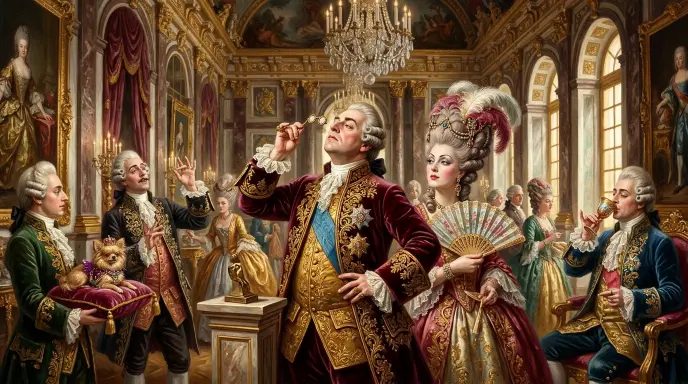
Casual expressions are useful in conversations, messages, and informal writing. Some can sound rude, so consider your relationship with the person.
28. Stuck-Up:
Meaning: Acting as though you are better than everyone else.
Explanation: Stuck-up is a casual alternative for describing someone with a superior attitude.
Example: He seemed stuck-up because he refused to talk to new employees.
When It Sounds Natural: Friendly conversations and informal descriptions.
When to Avoid It: Professional reports and formal academic writing.
Tone: Casual and negative.
29. Big-Headed:
Meaning: Too proud of yourself or your abilities.
Explanation: Big-headed describes someone who thinks too highly of themselves.
Example: Winning the competition made him a little big-headed.
When It Sounds Natural: Everyday conversations and informal messages.
When to Avoid It: Formal criticism and business documents.
Tone: Casual and critical.
30. Full of Yourself:
Meaning: Thinking too highly of yourself.
Explanation: This expression describes someone who constantly focuses on their own importance.
Example: He is so full of himself that he never listens to anyone.
When It Sounds Natural: Casual conversations with friends.
When to Avoid It: Formal workplace communication.
Tone: Informal and blunt.
31. Fancy-Pants:
Meaning: Someone who acts or dresses in an unnecessarily fancy way.
Explanation: Fancy-pants is a humorous expression that can describe someone who tries to appear sophisticated.
Example: Look at Mr. Fancy-Pants arriving in his expensive new shoes.
When It Sounds Natural: Playful conversations and humorous writing.
When to Avoid It: Serious professional discussions.
Tone: Playful and teasing.
32. Hoity-Toity:
Meaning: Acting as though you are socially superior or more important.
Explanation: Hoity-toity is a casual expression for someone who behaves in an overly refined or superior way.
Example: The hoity-toity restaurant manager made everyone feel unwelcome.
When It Sounds Natural: Informal storytelling and humorous descriptions.
When to Avoid It: Academic or professional reports.
Tone: Humorous and critical.
33. Show-Off:
Meaning: Someone who tries to attract attention by displaying their abilities or possessions.
Explanation: Show-off is a useful casual alternative when someone constantly tries to impress others.
Example: Stop being a show-off and let everyone enjoy the game.
When It Sounds Natural: Everyday conversations and friendly criticism.
When to Avoid It: Formal writing.
Tone: Casual and direct.
34. High and Mighty:
Meaning: Acting as though you are more important or superior to others.
Explanation: This expression describes an attitude of superiority rather than an expensive or elaborate appearance.
Example: He started acting high and mighty after receiving a promotion.
When It Sounds Natural: Informal conversations and storytelling.
When to Avoid It: Professional documents.
Tone: Casual and critical.
35. Up Yourself:
Meaning: Too impressed with yourself.
Explanation: This informal expression is more common in British and Australian English.
Example: He is a little too up himself after winning the award.
When It Sounds Natural: Casual conversations, especially in British or Australian settings.
When to Avoid It: Formal American English and professional writing.
Tone: Informal and disapproving.
36. Too Good for Everyone:
Meaning: Acting as though other people are beneath you.
Explanation: This phrase describes a superior attitude that can overlap with pretentious behavior.
Example: She acts as if she is too good for everyone at the office.
When It Sounds Natural: Casual conversations.
When to Avoid It: Formal writing or objective reports.
Tone: Blunt and conversational.
True Synonyms vs. Contextual Alternatives:
Not every word in this list has exactly the same meaning as pretentious. Some describe personality, while others refer to appearance, language, or behavior.
| Type | What It Means | Can It Replace Pretentious? |
|---|---|---|
| True synonym | Nearly the same meaning | Yes, in suitable contexts |
| Near synonym | Similar meaning with a small difference | Often |
| Contextual alternative | Fits a particular situation | Sometimes |
| Broader expression | Covers a wider idea | Depends on context |
| Narrower expression | Describes one specific feature | Only in specific situations |
For example, pompous can replace pretentious when describing someone who acts overly important. Ostentatious works better for an excessive display of wealth. Bombastic is more accurate when discussing unnecessarily grand language.
Industry-Specific Usage:
Business Writing:
Business writing should be clear and professional. Instead of calling a presentation pretentious, consider more precise descriptions.
- Overly complicated presentation
- Excessively elaborate proposal
- Self-promotional language
- Unnecessarily formal communication
Example: The proposal uses unnecessarily elaborate language that makes the main idea difficult to understand.
Corporate Communication:
In corporate communication, avoid personal attacks. Describe the behavior or document rather than labeling an individual.
Example: The announcement contains exaggerated claims about the company’s achievements.
Other useful expressions include inflated claims, self-promotional messaging, and overly formal language.
Academic Writing:
Academic writing benefits from precise and neutral language. Bombastic, grandiloquent, and affected can be useful when discussing writing styles.
Example: The author uses grandiloquent language instead of explaining the argument clearly.
Use pompous or pretentious when the criticism is directly about an unnecessarily self-important style.
Customer Service:
Customer service requires polite and helpful communication. Avoid directly calling a customer’s language or behavior pretentious.
Instead, describe the issue:
- Unnecessarily complicated
- Overly formal
- Difficult to understand
- Excessively elaborate
Example: We can simplify the explanation to make the information easier to understand.
Professional and Workplace Communication:
When giving feedback, focus on the work rather than attacking someone’s personality.
Example: The presentation would be more effective with simpler language and fewer exaggerated claims.
Creative Writing and Everyday Descriptions:
Creative writers can use words such as pompous, haughty, snobbish, affected, and ostentatious to create distinct characters.
Example: The character entered the room with a haughty expression and an exaggerated sense of importance.
Email Examples Using Alternatives to Pretentious:
1. Client Email Using Overly Formal:
Subject: Suggestions for Improving the Proposal
Hello Daniel,
Thank you for sharing the proposal. I reviewed the document and noticed that some sections use overly formal language.
Could we simplify those parts to make the main message easier for clients to understand?
Best regards,
Michael
2. Workplace Email Using Self-Important:
Subject: Feedback on the Team Presentation
Hi Sarah,
I reviewed the presentation and suggest giving more attention to the team’s shared achievements.
Some sections currently sound self-important and focus too heavily on individual contributions.
A more balanced approach would make the presentation stronger.
Best,
James
3. Project Feedback Using Grandiose:
Subject: Project Plan Revisions
Hello Team,
The project plan has some grandiose targets that may be difficult to achieve within the current timeline.
Please review the goals and adjust them to reflect our available resources.
Thank you,
Robert
4. Academic Email Using Bombastic:
Subject: Feedback on Essay Writing
Dear Professor,
I have revised my essay after reviewing your comments.
I also worked on removing bombastic expressions and replacing them with clearer explanations.
Please let me know if further improvements are needed.
Sincerely,
Alex
5. Professional Feedback Using Ostentatious:
Subject: Design Review
Hello Emily,
Thank you for sharing the latest design.
Some decorative elements appear ostentatious and may distract readers from the main content.
I recommend using a simpler visual style that keeps attention on the information.
Best regards,
David
Short Dialogue Examples:
Workplace Conversation:
Person A: Why did you dislike the manager’s speech?
Person B: It sounded pompous and focused more on his importance than the team’s work.
Classroom Discussion:
Person A: What did you think of the essay?
Person B: Some sentences were bombastic. Simpler language would make the argument stronger.
Customer Service Conversation:
Person A: The instructions seem unnecessarily complicated.
Person B: I agree. We should make them clearer and easier to follow.
Casual Conversation:
Person A: Why does he always talk about his expensive things?
Person B: He can be a little showy sometimes.
Professional Discussion:
Person A: How should we describe the presentation?
Person B: I would call it overly elaborate rather than pretentious because the design is the main issue.
How to Replace Pretentious in a Sentence:
Here are practical examples showing how different alternatives can change the tone and meaning.
1. Describing a Person:
Original: He is a pretentious person.
Alternative: He is a pompous person.
Why it works: Pompous emphasizes exaggerated self-importance.
2. Describing Expensive Clothing:
Original: Her outfit looks pretentious.
Alternative: Her outfit looks ostentatious.
Why it works: Ostentatious specifically highlights an attention-seeking display.
3. Describing a Speech:
Original: The speech sounded pretentious.
Alternative: The speech sounded bombastic.
Why it works: Bombastic focuses on exaggerated and impressive-sounding language.
4. Describing an Attitude:
Original: His pretentious attitude annoyed everyone.
Alternative: His arrogant attitude annoyed everyone.
Why it works: Arrogant emphasizes the belief that someone is superior.
5. Describing a Presentation:
Original: The presentation was pretentious.
Alternative: The presentation was overly elaborate.
Why it works: Overly elaborate focuses on unnecessary complexity.
6. Describing a Conversation:
Original: Her pretentious way of speaking sounded unnatural.
Alternative: Her affected way of speaking sounded unnatural.
Why it works: Affected describes speech that feels artificial or forced.
7. Describing a Personality:
Original: He comes across as pretentious.
Alternative: He comes across as self-important.
Why it works: Self-important highlights an exaggerated sense of personal importance.
8. Describing a Social Attitude:
Original: The guests seemed pretentious.
Alternative: The guests seemed snobbish.
Why it works: Snobbish emphasizes social superiority and looking down on others.
9. Describing a Plan:
Original: The company introduced a pretentious plan.
Alternative: The company introduced a grandiose plan.
Why it works: Grandiose suggests that the plan is excessively ambitious or impressive in scale.
10. Describing a Friend:
Original: My friend is becoming pretentious.
Alternative: My friend is becoming big-headed.
Why it works: Big-headed is a casual expression that describes excessive pride.
Comparison of Words Similar to Pretentious:
| Phrase | Tone | Meaning / Scope | Best Use |
|---|---|---|---|
| Pompous | Critical | Excessively important | Personality |
| Ostentatious | Formal | Attention-seeking display | Wealth and style |
| Grandiose | Formal | Excessively ambitious | Plans and ideas |
| Arrogant | Direct | Believing you are superior | Behavior |
| Bombastic | Critical | Exaggerated language | Speeches |
| Affected | Formal | Artificial behavior | Speech and style |
| Showy | Neutral | Attracting attention | Appearance |
| Conceited | Negative | Excessive self-admiration | Personality |
| Snobbish | Critical | Looking down on others | Social behavior |
| Boastful | Direct | Constant self-praise | Conversation |
| Ornate | Neutral | Highly decorated | Design |
| Stuck-up | Casual | Acting superior | Everyday speech |
Which Alternative Should You Choose?
The best alternative depends on what you want to describe and how strongly you want to criticize it.
Best Alternatives for Formal Writing:
Use pompous, affected, grandiloquent, or self-important when discussing exaggerated behavior or communication.
Best Words for Business Communication:
Choose overly elaborate, exaggerated, self-promotional, or inflated when discussing reports, presentations, and business proposals.
Best Alternatives for Academic Writing:
Use bombastic, grandiloquent, or affected when discussing unnecessarily complicated language.
Best Choices for Professional Emails:
Choose overly formal, unnecessarily elaborate, or self-important when you need to communicate feedback politely.
Best Words for Everyday Conversation:
Pompous, arrogant, showy, and snobbish are understandable choices.
Best Casual Alternatives:
Use stuck-up, big-headed, full of yourself, or show-off in informal conversations.
Best Choice for Legal Writing:
Avoid replacing pretentious with an informal judgment. Describe the exact conduct, statement, or presentation instead. Words such as misleading, exaggerated, or unsupported have different meanings and should only be used when accurate.
Grammar and Usage Guide:
How to Use Pretentious in a Sentence:
Pretentious is an adjective. It describes a person, object, statement, style, or behavior.
Examples:
- His pretentious speech confused the audience.
- The restaurant has a pretentious atmosphere.
- Her writing sometimes sounds pretentious.
Pretentious as an Adjective:
Pretentious usually comes before a noun or after linking verbs such as seem, look, and sound.
Before a noun: It was a pretentious performance.
After a linking verb: The performance seemed pretentious.
Adverbs and Related Word Forms:
The related forms include:
- Pretentiously: An adverb describing pretentious behavior.
- Pretentiousness: A noun describing the quality of being pretentious.
- Pretension: A noun referring to a claim or attempt to appear more important, skilled, or knowledgeable than one really is.
Examples:
- He spoke pretentiously during the meeting.
- Her pretentiousness annoyed the guests.
- The article showed literary pretension.
Common Word Combinations:
Some natural combinations include:
- Pretentious attitude
- Pretentious behavior
- Pretentious language
- Pretentious writing
- Pretentious personality
- Pretentious restaurant
- Pretentious artwork
- Pretentious speech
- Pretentious style
- Pretentious statement
Punctuation and Sentence Structure:
Pretentious does not require special punctuation. Use it like any other adjective.
Correct: The writer used pretentious language.
Correct: The writer’s language sounded pretentious.
Incorrect: The writer used a pretentiousness language.
Use the noun pretentiousness when you want to describe the quality itself.
Correct: The pretentiousness of the speech distracted the audience.
Singular and Plural Usage:
Pretentious does not change between singular and plural nouns.
- A pretentious person
- Two pretentious people
- A pretentious statement
- Several pretentious statements
Common Mistakes to Avoid:
1. Confusing Arrogant with Pretentious:
Arrogant describes an attitude of superiority. Pretentious describes an attempt to appear more impressive or important. They overlap, but they are not identical.
2. Using Pompous in the Wrong Context:
Pompous usually describes exaggerated self-importance. It is not the best choice for every expensive or decorative object.
3. Treating Showy as an Exact Synonym:
Showy means attention-grabbing. Something can be showy without being pretentious.
4. Choosing Words That Sound Too Harsh:
Calling someone conceited or arrogant can sound personal and insulting. Use more neutral descriptions when giving professional feedback.
5. Using Casual Expressions in Formal Writing:
Expressions such as stuck-up and big-headed work in conversations but may weaken the tone of academic or business writing.
6. Repeating Similar Descriptive Words:
Using pompous, arrogant, conceited, and self-important together may create unnecessary repetition. Choose the word that communicates your exact meaning.
7. Ignoring the Context:
Ostentatious works well for excessive displays of wealth, while bombastic is more suitable for exaggerated language.
8. Confusing Pretentiousness with Confidence:
Confidence does not automatically make someone pretentious. The word suggests an artificial or exaggerated attempt to impress.
When Not to Use the Word Pretentious:
Although pretentious is useful, some situations call for a more specific or neutral description.
When a Simpler Word Works Better:
If someone uses unnecessarily complicated language, say complicated or overly formal instead.
When You Want to Sound More Polite:
Avoid labeling a person’s personality. Describe the specific behavior or communication style instead.
When Describing Genuine Confidence:
Do not call someone pretentious simply because they speak confidently or recognize their achievements.
When the Behavior Is Not Intentionally Showy:
Use elaborate, decorative, or ornate when describing appearance without suggesting an attempt to impress others.
When a More Precise Description Is Available:
Use bombastic for exaggerated language, ostentatious for excessive displays, and arrogant for an attitude of superiority.
When Writing for a General Audience:
Choose simple words such as showy, boastful, or self-important instead of less familiar terms such as magniloquent.
Advanced Writer Tips:
Tone Control:
Choose words according to the strength of your criticism. Showy sounds relatively mild, while pompous and supercilious express stronger disapproval.
Professional Writing Etiquette:
Focus on the work rather than the person. Instead of writing that an employee is pretentious, explain that their presentation uses unnecessarily elaborate language.
Politeness and Word Choice:
Small changes can make criticism sound more respectful.
Harsh: Your writing is pretentious.
Polite: Your writing may be clearer with simpler language.
Matching Words to Context:
Think about what makes something pretentious. Is it the person’s attitude, expensive appearance, exaggerated speech, or unrealistic claims? Select the alternative that describes that feature.
Choosing Precise Alternatives:
Do not choose a word only because it sounds impressive. A simple and accurate word is usually more effective than an unfamiliar one.
Improving Readability:
Replace unnecessarily complicated expressions with everyday language. Clear writing helps readers understand your point without having to interpret exaggerated descriptions.
Related Questions About Pretentious:
What Is Another Word for Pretentious?
Pompous, ostentatious, grandiose, affected, and self-important are common alternatives. Pompous is especially useful for describing someone who acts overly important, while ostentatious describes an excessive display of wealth or style.
What Is a Professional Alternative for Pretentious?
Overly elaborate, unnecessarily formal, self-important, and exaggerated are useful professional alternatives. These expressions help describe communication or behavior without making the criticism unnecessarily personal.
What Is a Formal Alternative for Pretentious?
Magniloquent, grandiloquent, supercilious, pompous, and affected are formal alternatives. Some describe language, while others focus on personality and attitude.
Is Pretentious a Positive or Negative Word?
Pretentious is generally negative. It describes someone or something that tries too hard to appear important, sophisticated, or impressive. It can be used in writing, conversation, and criticism.
What Is the Difference Between Pretentious and Arrogant?
Pretentious describes an attempt to appear more impressive or sophisticated than someone really is. Arrogant describes a person who believes they are better or more important than others. A person can be both, but the meanings are different.
What Is the Difference Between Pretentious and Pompous?
Pretentious focuses on trying to appear impressive or important. Pompous emphasizes exaggerated self-importance, often shown through speech or behavior. Both are negative, but pompous is more closely connected to an inflated sense of importance.
Frequently Asked Questions:
1. What Is the Closest Synonym for Pretentious?
Pompous is one of the closest synonyms for pretentious when describing a person who behaves as though they are more important than others. However, ostentatious may be more accurate when discussing an excessive display of wealth or appearance.
2. What Is a More Polite Word for Pretentious?
Overly elaborate, unnecessarily formal, and showy can sound more neutral than pretentious. These alternatives describe specific features without directly attacking someone’s personality.
3. What Does Pretentious Mean in Simple English?
Pretentious means trying too hard to look, sound, or seem more important, intelligent, wealthy, or impressive than you really are. It often suggests that the behavior feels unnatural or exaggerated.
4. Is Pretentious the Same as Conceited?
No. Pretentious describes someone who tries to create an impressive image, while conceited describes someone who thinks too highly of themselves. A person may show both qualities, but they are not interchangeable.
5. What Is a Casual Way to Say Pretentious?
Stuck-up, big-headed, full of yourself, and fancy-pants are casual alternatives. Stuck-up describes a superior attitude, while fancy-pants is often used humorously to describe someone who acts overly sophisticated.
6. Can Ostentatious Replace Pretentious?
Sometimes. Ostentatious is appropriate when describing an excessive display of wealth, luxury, or decoration. However, it is not always suitable for describing someone who uses complicated language to appear intelligent.
7. What Is the Opposite of Pretentious?
Humble, modest, genuine, natural, and unpretentious are useful opposites. These words describe people or things that do not try to create an exaggerated impression of importance or sophistication.
Key Takeaways:
- Pompous, ostentatious, and grandiose are useful alternatives, but each describes a different feature of pretentiousness.
- Choose bombastic when criticizing exaggerated language or speeches.
- Use arrogant, conceited, or self-important to describe an excessive sense of personal superiority.
- Casual expressions such as stuck-up and big-headed work best in everyday conversations.
- Always consider the audience, context, and intended tone before replacing a word.
Conclusion:
Choosing the right alternative to pretentious can make your writing clearer, more natural, and more precise. Words such as pompous, ostentatious, grandiose, and affected are useful when describing exaggerated behavior, appearance, or communication.
However, they do not all carry the same meaning. Pompous focuses on excessive self-importance, ostentatious highlights attention-seeking displays, and bombastic describes unnecessarily grand language.
For professional writing, consider expressions such as overly elaborate, unnecessarily formal, or self-important. In casual conversations, words such as stuck-up, big-headed, and show-off may sound more natural. The best choice depends on what you want to describe and how strongly you want to express your opinion.
Rather than choosing the most complicated word, focus on accuracy and readability. A precise alternative will help your readers understand your message without changing its original meaning.