

The word flamboyant describes something or someone that is highly noticeable, colorful, dramatic, or full of confidence. It can describe a person’s personality, clothing, writing style, decoration, behavior, or general appearance. Depending on the context, flamboyant can sound positive, such as when describing someone as bold and expressive, or slightly negative when it suggests excessive showiness.
People often look for synonyms for flamboyant because the original word does not always express the exact tone they want. A writer describing bright clothing might prefer colorful or flashy, while someone discussing an extravagant lifestyle might choose ostentatious or lavish. The right alternative depends on whether you want to emphasize color, drama, luxury, confidence, attention, or excess.
Quick Answer: What Are Synonyms for Flamboyant?
Common synonyms for flamboyant include showy, flashy, extravagant, ostentatious, dramatic, colorful, bold, striking, theatrical, ornate, elaborate, extravagant, vibrant, eye-catching, and attention-grabbing. They are not all exact replacements. Some focus on appearance, while others suggest luxury, drama, unusual behavior, or a desire to attract attention.
Quick List of Synonyms for Flamboyant:
Closest Synonyms for Flamboyant
- Showy
- Flashy
- Extravagant
- Ostentatious
- Theatrical
- Dramatic
- Colorful
- Striking
- Bold
- Ornate
- Elaborate
- Spectacular
- Eye-catching
- Attention-grabbing
- Vibrant
Formal Synonyms for Flamboyant
- Ostentatious
- Extravagant
- Ornate
- Elaborate
- Grandiose
- Theatrical
- Magnificent
- Lavish
- Spectacular
- Opulent
Neutral Synonyms for Flamboyant
- Colorful
- Striking
- Bold
- Dramatic
- Distinctive
- Vibrant
- Expressive
- Eye-catching
- Unusual
- Impressive
Casual Alternatives for Flamboyant
- Flashy
- Fancy
- Loud
- Over-the-top
- Show-offy
- Dressed-up
Contextual Alternatives
- Attention-grabbing
- Highly decorated
- Luxurious
- Extravagant-looking
- Dramatic
- Highly expressive
- Unconventional
- Elaborate
Formal Alternatives for Flamboyant:
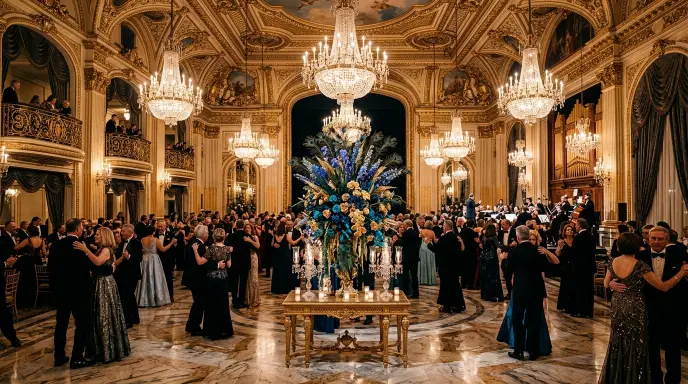
Ostentatious
Meaning: Designed to attract attention through an obvious display of wealth or importance.
Explanation: Ostentatious is one of the closest formal alternatives to flamboyant when the behavior or appearance seems excessively showy. However, it usually has a more negative meaning.
Example:
His ostentatious lifestyle attracted considerable attention.
Best Use: Formal descriptions of excessive luxury or displays of wealth.
Worst Use: Avoid it when you simply mean colorful or creative.
Tone: Formal and often critical.
Extravagant
Meaning: Excessive, elaborate, or more expensive than necessary.
Explanation: Extravagant overlaps with flamboyant when something is unusually elaborate or excessive. It focuses more on excess than visual drama.
Example:
The designer created an extravagant stage for the event.
Best Use: Fashion, events, spending, decoration, and lifestyles.
Worst Use: It may be inaccurate if the subject is simply colorful.
Tone: Neutral to mildly critical.
Ornate
Meaning: Highly decorated with many detailed elements.
Explanation: Ornate is useful for describing buildings, clothing, furniture, artwork, and designs. It does not normally describe a personality.
Example:
The theater featured an ornate golden ceiling.
Best Use: Architecture, decoration, art, and objects.
Worst Use: Avoid using it for someone’s personality.
Tone: Formal and descriptive.
Elaborate
Meaning: Detailed, carefully developed, or complicated.
Explanation: Elaborate can replace flamboyant when you want to emphasize detail rather than attention-seeking behavior.
Example:
She wore an elaborate costume for the performance.
Best Use: Costumes, plans, designs, decorations, and presentations.
Worst Use: It is not always suitable for describing a bold personality.
Tone: Neutral to formal.
Grandiose
Meaning: Extremely impressive or ambitious, sometimes in an unrealistic way.
Explanation: Grandiose can suggest excessive ambition or exaggerated importance. It is stronger and more critical than many uses of flamboyant.
Example:
The proposal contained several grandiose promises.
Best Use: Plans, ideas, claims, and self-important behavior.
Worst Use: Avoid it when you only mean colorful.
Tone: Formal and often negative.
Theatrical
Meaning: Dramatic, expressive, or resembling a performance.
Explanation: Theatrical works well for flamboyant gestures, personalities, performances, and behavior.
Example:
His theatrical entrance immediately captured everyone’s attention.
Best Use: Behavior, performances, gestures, and dramatic presentations.
Worst Use: It may sound strange for simple clothing descriptions.
Tone: Neutral or descriptive.
Lavish
Meaning: Very generous, luxurious, or elaborate.
Explanation: Lavish emphasizes abundance and luxury rather than personal boldness.
Example:
The couple held a lavish celebration.
Best Use: Parties, weddings, gifts, decorations, and spending.
Worst Use: Avoid it when the main idea is personality.
Tone: Positive or neutral.
Opulent
Meaning: Extremely luxurious and expensive-looking.
Explanation: Opulent is narrower than flamboyant because it focuses on wealth and luxury.
Example:
The hotel lobby had an opulent interior.
Best Use: Buildings, interiors, fashion, and luxury settings.
Worst Use: Not a good general synonym for an expressive person.
Tone: Formal and luxurious.
Magnificent
Meaning: Very impressive, beautiful, or grand.
Explanation: Magnificent is usually strongly positive. It can replace flamboyant when the focus is impressive appearance rather than excess.
Example:
She arrived in a magnificent evening gown.
Best Use: Positive descriptions of impressive appearances or events.
Worst Use: Avoid it when criticism or excess is important.
Tone: Positive and formal.
Spectacular
Meaning: Very impressive or exciting to see.
Explanation: Spectacular emphasizes visual impact. It can describe something flamboyant without suggesting that it is excessive.
Example:
The performer gave a spectacular entrance.
Best Use: Events, performances, clothing, scenery, and visual displays.
Worst Use: It may be too strong for a simple colorful detail.
Tone: Positive and expressive.
Semi-Formal and Neutral Alternatives for Flamboyant:

Colorful
Meaning: Full of bright colors or lively expression.
Explanation: Colorful is a safer and more neutral choice when flamboyant refers mainly to appearance.
Example:
She wore a colorful jacket to the festival.
Best Use: Clothing, artwork, personalities, stories, and events.
Worst Use: It does not always suggest dramatic or attention-seeking behavior.
Tone: Neutral and often positive.
Striking
Meaning: Very noticeable or impressive.
Explanation: Striking focuses on the effect something has on the viewer.
Example:
The artist created a striking visual display.
Best Use: Design, appearance, writing, fashion, and photography.
Worst Use: It does not necessarily imply extravagance.
Tone: Neutral to positive.
Bold
Meaning: Confident, noticeable, or unconventional.
Explanation: Bold is useful when flamboyant describes confident choices or unusual style.
Example:
The company chose a bold design for its new website.
Best Use: Design, fashion, decisions, and creative work.
Worst Use: It may lose the sense of excessive decoration.
Tone: Positive and confident.
Dramatic
Meaning: Noticeably exciting, emotional, or exaggerated.
Explanation: Dramatic can replace flamboyant when the main idea is strong visual or emotional impact.
Example:
The room had a dramatic black-and-gold design.
Best Use: Design, clothing, writing, performances, and behavior.
Worst Use: It may suggest emotion rather than style.
Tone: Neutral to expressive.
Distinctive
Meaning: Clearly different and easy to recognize.
Explanation: Distinctive is more neutral than flamboyant. It highlights uniqueness without suggesting excess.
Example:
He developed a distinctive personal style.
Best Use: Professional writing, branding, design, and personality descriptions.
Worst Use: Avoid it when you need to emphasize extravagance.
Tone: Neutral and professional.
Vibrant
Meaning: Full of energy, brightness, or life.
Explanation: Vibrant works especially well for colors, places, designs, and personalities.
Example:
The artist used vibrant colors throughout the mural.
Best Use: Art, fashion, color, culture, and personality.
Worst Use: It may not communicate showiness.
Tone: Positive.
Expressive
Meaning: Clearly showing feelings, ideas, or personality.
Explanation: Expressive is useful when flamboyant refers to someone’s gestures, communication, art, or personality.
Example:
Her expressive presentation kept the audience engaged.
Best Use: Communication, performance, art, and personality.
Worst Use: It does not necessarily mean extravagant.
Tone: Neutral to positive.
Eye-Catching
Meaning: Likely to attract attention.
Explanation: Eye-catching is a practical alternative when the main idea is visual attention.
Example:
The store created an eye-catching window display.
Best Use: Advertising, websites, fashion, packaging, and design.
Worst Use: Avoid it when describing deep personality traits.
Tone: Casual to neutral.
Attention-Grabbing
Meaning: Designed or likely to attract notice.
Explanation: This phrase focuses directly on attention rather than style or luxury.
Example:
The campaign used an attention-grabbing headline.
Best Use: Marketing, advertising, presentations, and design.
Worst Use: It can sound mechanical in personal descriptions.
Tone: Neutral and practical.
Unconventional
Meaning: Different from what is usual or expected.
Explanation: Unconventional describes unusual choices but does not necessarily imply bright colors or extravagance.
Example:
She has an unconventional approach to fashion.
Best Use: Professional, academic, and descriptive writing.
Worst Use: Avoid it when the subject is simply very colorful.
Tone: Neutral and professional.
Informal and Casual Alternatives for Flamboyant:
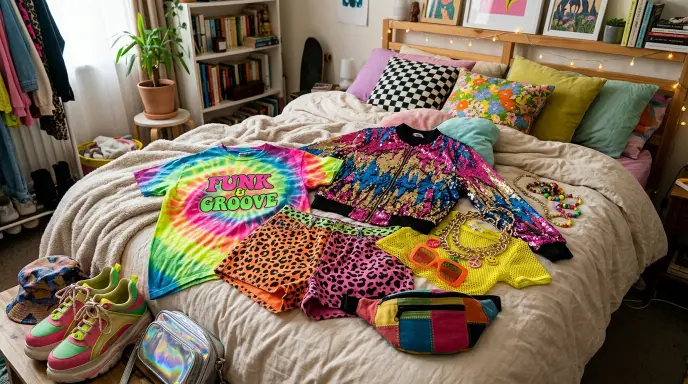
Flashy
Flashy means very noticeable, often because something is bright, expensive, or designed to attract attention.
Example:
He showed up wearing a flashy jacket.
It works naturally in everyday conversation but can sound slightly critical.
Fancy
Fancy can describe something elaborate, decorative, expensive, or more special than usual.
Example:
She bought a fancy dress for the party.
It is friendly and casual, but less precise than flamboyant.
Loud
In casual speech, loud can describe clothing, colors, or style that attracts a lot of attention.
Example:
Those shoes are a little loud for the office.
This is strongly contextual and should not be treated as a direct synonym.
Over-the-Top
Over-the-top means excessive or exaggerated beyond what seems normal.
Example:
His over-the-top outfit became the talk of the party.
It is useful when flamboyant has a critical or humorous meaning.
Show-Offy
Show-offy is an informal word describing something intended to impress or attract attention.
Example:
His new car looks a little show-offy.
It is highly casual and should generally be avoided in formal writing.
True Synonyms vs. Contextual Alternatives for Flamboyant:
Not every word in a synonym list can replace flamboyant in every sentence. The exact meaning depends on what is being described.
| Type | What It Means | Can It Replace the Original? |
|---|---|---|
| True synonym | Very similar meaning and usage | Usually |
| Near synonym | Similar but with a slightly different meaning | Sometimes |
| Contextual alternative | Works only in a particular situation | Only in that context |
| Broader expression | Covers a wider idea | Sometimes |
| Narrower expression | Focuses on one specific aspect | Only when that aspect matters |
For example, showy is close to flamboyant because both can describe something designed to attract attention. Ornate, however, is narrower because it mainly describes detailed decoration. Colorful focuses on brightness or variety, while ostentatious often suggests an excessive display of wealth.
Choosing the right word means deciding exactly what part of flamboyance you want to communicate.
Flamboyant Synonyms for Different Contexts:
Flamboyant Personality
For personality, useful alternatives include:
- Theatrical
- Dramatic
- Expressive
- Bold
- Outgoing
- Larger-than-life
- Unconventional
- Showy
Example:
Original: He has a flamboyant personality.
Alternative: He has a theatrical and expressive personality.
Flamboyant Clothing
For clothing, consider:
- Colorful
- Flashy
- Bold
- Eye-catching
- Elaborate
- Ornate
- Extravagant
- Dramatic
Example:
She wore a bold, eye-catching outfit.
Flamboyant Fashion
For fashion writing, bold, striking, dramatic, extravagant, and theatrical are often more precise.
Example:
The collection featured dramatic silhouettes and vibrant colors.
Flamboyant Writing
For writing style, consider:
- Ornate
- Elaborate
- Dramatic
- Theatrical
- Expressive
- Flowery
- Highly stylized
Example:
The author’s ornate writing style uses long descriptions and vivid imagery.
Flamboyant Design
For design, useful alternatives include:
- Bold
- Vibrant
- Striking
- Elaborate
- Ornate
- Decorative
- Eye-catching
Example:
The restaurant has a bold and vibrant interior.
Business Writing: Professional Alternatives for Flamboyant:
In business writing, flamboyant can sometimes sound subjective. A more precise alternative is usually better.
Instead of saying:
The company created a flamboyant advertisement.
You could write:
The company created a bold and attention-grabbing advertisement.
For reports, consider bold, distinctive, dramatic, elaborate, or attention-grabbing, depending on the intended meaning.
Examples
- The brand introduced a distinctive visual identity.
- The campaign uses bold colors and dramatic imagery.
- The presentation included an elaborate visual display.
- The new packaging has a striking appearance.
Corporate Communication:
Corporate communication usually benefits from neutral language.
Instead of describing an executive as flamboyant, you might say:
- Highly expressive
- Charismatic
- Outgoing
- Distinctive
- Dramatic
- Unconventional
The best option depends on what you actually observed.
Example:
Instead of The CEO has a flamboyant personality, write:
The CEO is known for an expressive and unconventional communication style.
This sounds more specific and less judgmental.
Academic Writing:
Academic writing generally benefits from precise and neutral alternatives.
Useful choices include:
- Ornate
- Elaborate
- Dramatic
- Highly stylized
- Expressive
- Decorative
- Extravagant
Example:
The author’s early work is characterized by an elaborate and highly stylized prose style.
Avoid casual terms such as flashy, loud, and show-offy in academic essays unless you are discussing informal language itself.
Customer Service:
Customer service writing should avoid words that may sound judgmental.
Instead of:
Your request is too flamboyant.
Use a clearer description:
The design includes several bold decorative elements.
Or:
The current design is more elaborate than the standard option.
Specific language is usually more helpful than a subjective label.
Legal Writing:
Legal writing requires precision. Flamboyant is usually too subjective for documents where exact meaning matters.
Depending on the context, a legal or formal writer may need terms such as:
- Excessive
- Elaborate
- Decorative
- Extravagant
- Public
- Prominent
The correct choice depends entirely on the facts being described. A synonym should not be substituted simply because it sounds more formal.
Email Communication:
Client Email
Subject: Updated Design Options
Hello Sarah,
We have prepared a revised version with a more striking visual style while keeping the overall layout professional.
Please review the attached option and let us know which direction you prefer.
Best,
James
Project Update
Subject: Project Design Update
Hi Team,
The latest version uses a bold visual approach with brighter colors and stronger headings. This gives the presentation a more distinctive appearance without changing the core content.
Best,
Maya
Customer Service
Subject: Your Custom Design Request
Hello,
We can certainly create a more elaborate version of the design. We can also keep the appearance simple if you prefer a more neutral style.
Please let us know which option you would like.
Kind regards,
Customer Support
Vendor Communication
Subject: Event Decoration Preferences
Hello Daniel,
For the event, we are looking for a vibrant and eye-catching setup rather than an overly elaborate arrangement.
Please send us a few suitable options.
Best regards,
Emma
Academic Communication
Subject: Question About Writing Style
Dear Professor Lee,
I am revising my essay to make the language more precise. I have replaced several overly ornate expressions with clearer descriptions.
Thank you for your guidance.
Best,
Alex
Short Dialogue Examples:
Workplace
Person A: How would you describe the new presentation?
Person B: I would call it bold and eye-catching rather than flamboyant.
Classroom
Person A: What does flamboyant mean here?
Person B: It means the writer uses a very dramatic and elaborate style.
Customer Service
Person A: Can we make the design more noticeable?
Person B: Yes. We could use a more striking color scheme.
Casual Conversation
Person A: What do you think of his outfit?
Person B: It’s definitely flashy, but it suits his personality.
Professional Discussion
Person A: Is flamboyant the right word for this campaign?
Person B: If you mean attention-grabbing, yes. If you mean expensive, I’d use a different word.
How to Replace Flamboyant in a Sentence:
Example 1
Original:
She has a flamboyant personality.
Alternative:
She has a highly expressive personality.
Why it works:
Expressive focuses on how openly she communicates rather than suggesting excessive style.
Example 2
Original:
He wore a flamboyant jacket.
Alternative:
He wore a flashy jacket.
Why it works:
Flashy naturally describes clothing that attracts attention.
Example 3
Original:
The building has a flamboyant interior.
Alternative:
The building has an ornate interior.
Why it works:
Ornate is more precise when the focus is detailed decoration.
Example 4
Original:
She gave a flamboyant performance.
Alternative:
She gave a theatrical performance.
Why it works:
Theatrical emphasizes dramatic performance and expression.
Example 5
Original:
The company launched a flamboyant campaign.
Alternative:
The company launched a bold campaign.
Why it works:
Bold sounds more professional and positive in business communication.
Example 6
Original:
He lives a flamboyant lifestyle.
Alternative:
He lives an extravagant lifestyle.
Why it works:
Extravagant better emphasizes excess, luxury, and spending.
Example 7
Original:
The artist used a flamboyant style.
Alternative:
The artist used a vibrant and distinctive style.
Why it works:
This version gives readers more information about what makes the style noticeable.
Example 8
Original:
The advertisement has a flamboyant design.
Alternative:
The advertisement has an attention-grabbing design.
Why it works:
Attention-grabbing explains the intended effect without judging the design.
Flamboyant Synonyms Comparison Table:
| Phrase | Tone | Meaning / Scope | Best Use | Example |
|---|---|---|---|---|
| Showy | Neutral to negative | Designed to attract attention | Appearance | A showy outfit |
| Flashy | Casual | Bright or attention-seeking | Clothing, objects | A flashy car |
| Ostentatious | Formal, negative | Excessive display of wealth | Lifestyle | An ostentatious home |
| Extravagant | Neutral to negative | Excessive or elaborate | Events, lifestyle | An extravagant party |
| Ornate | Formal | Highly decorated | Architecture, design | An ornate ceiling |
| Bold | Positive | Confident or noticeable | Design, fashion | A bold pattern |
| Dramatic | Neutral | Strong visual or emotional effect | Art, fashion | A dramatic design |
| Colorful | Positive | Bright or varied | Clothing, personality | A colorful outfit |
| Striking | Positive | Very noticeable | Design, appearance | A striking image |
| Theatrical | Neutral | Dramatic and performance-like | Behavior, performance | A theatrical entrance |
| Vibrant | Positive | Energetic or bright | Colors, style | Vibrant artwork |
| Elaborate | Neutral | Detailed or complex | Design, clothing | An elaborate costume |
Which Alternative Should You Choose?
For Formal Writing
Choose ostentatious, ornate, elaborate, grandiose, or extravagant depending on the meaning.
For Business Communication
Use bold, distinctive, striking, or attention-grabbing. These words usually sound clearer and less judgmental.
For Academic Writing
Choose elaborate, ornate, highly stylized, expressive, or dramatic when they accurately describe the subject.
For Legal Writing
Avoid subjective substitutions. Describe the exact feature you mean, such as excessive, decorative, or elaborate, when supported by the facts.
For Professional Emails
Bold, distinctive, striking, and elaborate are useful choices because they can communicate the intended quality without sounding overly casual.
For Everyday Conversation
Flashy, colorful, fancy, dramatic, and over-the-top sound natural.
For Casual Messages
Flashy, fancy, and over-the-top are easy conversational choices.
For Describing Fashion
Use bold, colorful, striking, dramatic, flashy, or extravagant based on whether you want a positive, neutral, or critical tone.
Grammar and Usage Guide for Flamboyant:
Is Flamboyant an Adjective?
Yes. Flamboyant is an adjective.
Example:
She has a flamboyant style.
It describes the noun style.
How to Use Flamboyant in a Sentence
The most common structure is:
flamboyant + noun
Examples:
- A flamboyant personality
- A flamboyant outfit
- A flamboyant performer
- A flamboyant design
It can also appear after linking verbs:
His style is flamboyant.
Common Word Combinations
Natural combinations include:
- Flamboyant personality
- Flamboyant style
- Flamboyant clothing
- Flamboyant outfit
- Flamboyant design
- Flamboyant behavior
- Flamboyant character
- Flamboyant performance
- Flamboyant lifestyle
Comparative and Superlative Forms
The forms more flamboyant and most flamboyant are natural.
Example:
Her second outfit was more flamboyant than the first.
That was his most flamboyant performance yet.
Flamboyant vs. Flamboyance
Flamboyant is an adjective.
Flamboyance is a noun.
Example:
Her flamboyant style attracted attention.
Her flamboyance was impossible to ignore.
Flamboyant vs. Flamboyantly
Flamboyantly is an adverb.
Example:
He dressed flamboyantly for the event.
The adverb describes how an action happens.
Common Mistakes to Avoid:
Treating Every Alternative as an Exact Synonym
Words such as ornate, colorful, and opulent have narrower meanings. Do not use them automatically.
Using Ostentatious as a Positive Word
Ostentatious often carries criticism, especially when discussing wealth or status.
Using Flashy in Formal Writing
Flashy is natural in conversation but may sound too casual in a formal report.
Changing the Intended Meaning
Replacing flamboyant with luxurious changes the focus from noticeable style to wealth or quality.
Using Overly Formal Language
A simple sentence may become awkward if you replace flamboyant with an unnecessarily sophisticated word.
Ignoring Positive and Negative Connotations
Bold is often positive, while ostentatious is commonly negative. Tone matters.
Using Vague Words
Words such as nice or interesting do not communicate the specific quality that flamboyant expresses.
Ignoring the Audience
A casual conversation and an academic essay need different vocabulary.
When Should You Avoid the Word Flamboyant?
When You Need a Neutral Description
If you want to describe appearance without judgment, striking or distinctive may be better.
When Wealth Is the Main Point
Use opulent or ostentatious if luxury or wealth is specifically important.
When Decoration Is the Main Point
Use ornate or elaborate for detailed decoration.
When Color Is the Main Point
Use colorful or vibrant.
When the Style Is Simply Different
Use unconventional or distinctive.
When Writing a Formal Report
A specific descriptive term is often better than the broad and somewhat subjective word flamboyant.
When Is Flamboyant the Better Choice?
Flamboyant remains useful when you want to describe a combination of boldness, visibility, dramatic expression, and unusual style.
It works particularly well for:
- Bold personal styles
- Expressive personalities
- Dramatic performances
- Colorful fashion
- Highly noticeable behavior
- Unusual creative styles
For example:
The flamboyant performer quickly became the center of attention.
Here, no single alternative captures every part of the meaning as naturally as flamboyant.
Advanced Writer Tips for Choosing the Right Synonym:
Tone Control
Use bold for a positive tone, striking for neutral description, and ostentatious when criticism of excessive display is intended.
Professional Email Etiquette
Choose specific, neutral language. Instead of calling a proposal flamboyant, explain that it is bold, elaborate, or visually striking.
Politeness
Subjective words can sound judgmental. Saying an elaborate design is often more neutral than saying a flamboyant design.
Context Alignment
Think about what makes the subject flamboyant. Is it color, wealth, drama, decoration, confidence, or attention? Pick the synonym that describes that specific feature.
Precision
Compare:
He has a flamboyant style.
with:
He has a bold and colorful style.
The second sentence gives readers more precise information.
Readability
Do not choose a complicated synonym simply because it sounds sophisticated. The best word is the one readers understand quickly.
Related Questions About Flamboyant Synonyms:
What Is Another Way to Say Flamboyant?
You can say showy, flashy, dramatic, bold, colorful, striking, theatrical, extravagant, or attention-grabbing. The best choice depends on whether you are describing appearance, personality, behavior, wealth, decoration, or creative expression.
What Is a Professional Alternative to Flamboyant?
Professional alternatives include bold, distinctive, striking, expressive, elaborate, and attention-grabbing. These words are often clearer in business communication because they describe specific qualities without sounding overly judgmental.
What Is a Formal Alternative to Flamboyant?
Ostentatious, elaborate, ornate, extravagant, grandiose, and theatrical can work as formal alternatives. However, each has a different meaning, so the correct choice depends on the sentence.
What Can I Use Instead of Flamboyant?
Use colorful for bright appearance, flashy for casual descriptions of noticeable style, ornate for detailed decoration, extravagant for excess, and bold for confident or unusual choices.
Is Flamboyant a Formal Word?
Flamboyant is neither strictly formal nor strictly informal. It is a standard English adjective that works in many contexts. However, in professional writing, a more precise word may sometimes communicate the intended meaning better.
Is Flashy the Same as Flamboyant?
Not exactly. Flashy usually emphasizes something noticeable, bright, expensive-looking, or attention-seeking. Flamboyant can also describe dramatic personality, behavior, or creative expression.
What Is the Difference Between Flamboyant and Ostentatious?
Flamboyant emphasizes bold, dramatic, or highly noticeable style. Ostentatious usually suggests excessive display, especially of wealth or status, and often carries a negative judgment.
FAQs About Synonyms for Flamboyant:
What Is the Best Synonym for Flamboyant?
There is no single best synonym for every situation. Showy is one of the closest general alternatives, while bold, striking, colorful, dramatic, and extravagant are better for specific meanings.
Is Flashy a Synonym for Flamboyant?
Flashy is a near synonym rather than a perfect replacement. It works especially well for clothing, cars, accessories, and other visually noticeable things. It is more casual and can sound slightly critical.
What Is a More Formal Word for Flamboyant?
Ostentatious, ornate, elaborate, grandiose, and extravagant can serve as formal alternatives, but they do not all mean exactly the same thing.
What Is a Positive Word for Flamboyant?
Bold, vibrant, striking, expressive, distinctive, and spectacular can provide a more positive tone. Choose the word according to the quality you want to emphasize.
What Is a Negative Synonym for Flamboyant?
Ostentatious, showy, flashy, and over-the-top can carry negative meanings. The strength of the criticism depends on the context.
Can I Use Extravagant Instead of Flamboyant?
Sometimes. Extravagant works well when flamboyant refers to something excessive, elaborate, or luxurious. It is less suitable when flamboyant simply means colorful or expressive.
Is Ostentatious Stronger Than Flamboyant?
Usually, yes. Ostentatious more strongly suggests excessive or inappropriate display, particularly involving wealth or status. Flamboyant can be neutral or positive and does not necessarily imply criticism.
Key Takeaways:
- Flamboyant describes something bold, dramatic, highly noticeable, or unusually expressive.
- Showy is one of the closest general alternatives, while other synonyms focus on specific qualities.
- Use bold or striking for a positive or neutral professional tone.
- Use ostentatious when excessive display, especially of wealth, is the main idea.
- Always choose the synonym that matches the exact meaning, audience, and tone.
Conclusion:
Choosing the right synonym for flamboyant depends on what you actually want to say. The word can describe colorful clothing, an expressive personality, dramatic behavior, elaborate decoration, or an extravagant lifestyle. Because of this range, no single replacement works perfectly in every sentence.
For a neutral description, striking, distinctive, colorful, and expressive are useful choices. For professional writing, bold, elaborate, and attention-grabbing can sound more precise. If you want to emphasize luxury or excess, extravagant, opulent, or ostentatious may be better. In casual conversation, flashy, fancy, and over-the-top are natural options.
The strongest writing does not simply replace one word with another. It identifies the exact quality behind the original word and chooses vocabulary that communicates that quality clearly. When you match the synonym to the context and tone, your writing becomes more precise, natural, and effective.