
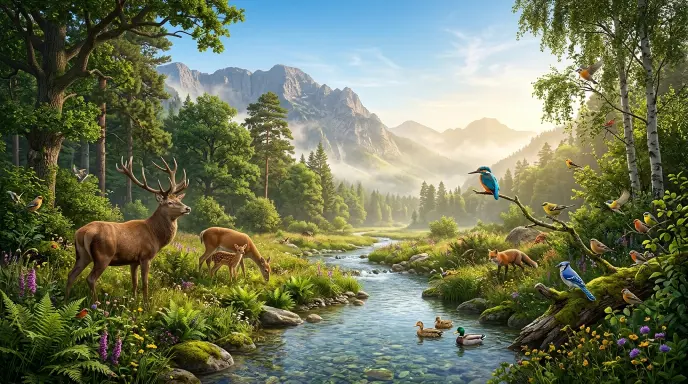
Wildlife refers to animals, birds, insects, and other living creatures that exist in natural environments rather than being domesticated or kept as pets. The word is common in conservation, nature writing, tourism, education, photography, journalism, and everyday conversation. Depending on your sentence, however, you may need a more precise alternative.
Words such as wild animals, native fauna, animal life, natural fauna, free-ranging animals, and wild species can work in different contexts. Some are close synonyms, while others describe a narrower group or a specific aspect of wildlife. Choosing the right term helps your writing sound clearer and more accurate.
Quick Answer:
Common synonyms for wildlife include wild animals, wild species, animal life, fauna, native fauna, native species, free-ranging animals, creatures of the wild, wild creatures, and natural fauna. The best choice depends on context. Fauna suits formal or scientific writing, while wild animals is clearer for everyday speech.
Quick List of Synonyms for Wildlife:
Closest Alternatives
- Wild animals
- Wild species
- Wild creatures
- Animal life
- Fauna
- Native fauna
- Natural fauna
- Free-ranging animals
- Animals in the wild
- Creatures of the wild
Formal Alternatives
- Native species
- Indigenous fauna
- Terrestrial fauna
- Aquatic fauna
- Local fauna
- Regional fauna
- Wild animal populations
- Animal communities
- Biological fauna
- Naturally occurring species
Contextual Alternatives
- Forest animals
- Desert animals
- Marine life
- Birdlife
- Mammalian species
- Native animals
- Endemic species
- Free-living animals
- Wild populations
- Natural animal populations
Formal Alternatives for Wildlife:
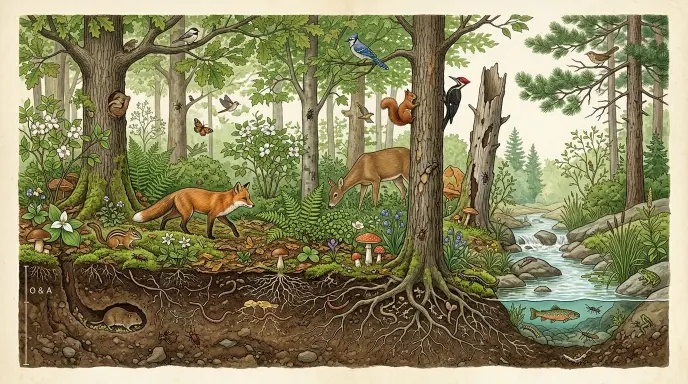
1. Fauna
Meaning: The animals found in a particular region, habitat, or period.
Explanation: Fauna is one of the closest formal alternatives to wildlife. It is especially common in scientific, academic, environmental, and geographic writing.
Example: The island supports a diverse range of native fauna.
Best Use: Research papers, reports, conservation writing, and educational materials.
Worst Use: Casual conversation, where animals or wild animals sounds more natural.
Tone: Formal and scientific.
2. Native Fauna
Meaning: Animal species naturally found in a particular area.
Explanation: This phrase is more specific than wildlife because it emphasizes animals that belong naturally to a region.
Example: The reserve protects the native fauna of the region.
Best Use: Conservation reports and environmental writing.
Worst Use: When discussing introduced or non-native animals.
Tone: Formal and ecological.
3. Indigenous Fauna
Meaning: Animal species native to a particular place.
Explanation: This is similar to native fauna but has a more technical feel.
Example: The project aims to protect the island’s indigenous fauna.
Best Use: Academic and environmental contexts.
Worst Use: Simple everyday writing for a general audience.
Tone: Technical and formal.
4. Native Species
Meaning: Species that naturally occur in a specific geographic area.
Explanation: Native species can refer to animals, plants, fungi, or other organisms, so it is broader than wildlife.
Example: The park provides habitat for several native species.
Best Use: Conservation and environmental discussions.
Worst Use: When you specifically mean wild animals and no other organisms.
Tone: Neutral to formal.
5. Wild Species
Meaning: Species that live independently in natural environments.
Explanation: This phrase focuses on species rather than individual animals.
Example: Human development can threaten wild species.
Best Use: Scientific and conservation writing.
Worst Use: When you need to discuss plants or domesticated species unless the context is clear.
Tone: Neutral and scientific.
6. Natural Fauna
Meaning: Animal life naturally occurring in an environment.
Explanation: This phrase emphasizes naturally occurring animals, although fauna alone is usually more concise.
Example: The wetlands support rich natural fauna.
Best Use: Environmental descriptions.
Worst Use: Simple everyday communication where the phrase may sound unnecessarily formal.
Tone: Formal.
7. Free-Living Animals
Meaning: Animals living independently rather than being domesticated or confined.
Explanation: This phrase highlights independence from human control.
Example: The study examined the behavior of free-living animals.
Best Use: Scientific and behavioral research.
Worst Use: When describing animals living temporarily outside captivity.
Tone: Technical.
8. Free-Ranging Animals
Meaning: Animals that move freely within a natural or open environment.
Explanation: This term can describe wildlife but may also refer to domestic animals allowed to roam.
Example: Researchers tracked free-ranging animals across the reserve.
Best Use: Wildlife research and field studies.
Worst Use: When the animals’ wild status is essential and the context does not establish it.
Tone: Neutral and scientific.
9. Animal Populations
Meaning: Groups of animals living in a particular area.
Explanation: This is narrower than wildlife because it focuses on groups or populations rather than wildlife as a broad concept.
Example: Conservation efforts have helped stabilize local animal populations.
Best Use: Conservation and population studies.
Worst Use: When you mean every type of wildlife in an ecosystem.
Tone: Formal and precise.
10. Wild Animal Populations
Meaning: Groups of wild animals living in a particular area.
Explanation: This phrase is more precise than animal populations because it clearly identifies the animals as wild.
Example: Roads can divide wild animal populations.
Best Use: Conservation, ecology, and environmental reports.
Worst Use: Informal conversation, where wildlife may be simpler.
Tone: Formal and precise.
Semi-Formal and Neutral Alternatives:
1. Wild Animals
Meaning: Animals that live in natural environments without being domesticated.
Example: The park is home to many wild animals.
Best Use: Everyday writing, school assignments, websites, and general communication.
Worst Use: Highly technical scientific writing where a more precise term is needed.
Tone: Neutral and accessible.
2. Wild Creatures
Meaning: Animals living in natural environments.
Example: Visitors are asked not to feed wild creatures.
Best Use: Nature writing and public-facing content.
Worst Use: Technical research papers.
Tone: Friendly and descriptive.
3. Animal Life
Meaning: The animals living in a particular environment.
Example: The lake supports a surprising amount of animal life.
Best Use: General descriptions of ecosystems.
Worst Use: When specifically discussing conservation status or wild populations.
Tone: Neutral.
4. Animals in the Wild
Meaning: Animals living in their natural surroundings.
Example: The documentary follows animals in the wild.
Best Use: Educational content, documentaries, and everyday writing.
Worst Use: Formal scientific contexts where wild populations may be more precise.
Tone: Natural and clear.
5. Creatures of the Wild
Meaning: Animals that live freely in nature.
Example: The photographer spent years documenting creatures of the wild.
Best Use: Creative writing, nature articles, and photography content.
Worst Use: Technical reports.
Tone: Descriptive and slightly literary.
6. Native Animals
Meaning: Animals naturally found in a specific location.
Example: The reserve protects several native animals.
Best Use: Conservation, tourism, and educational writing.
Worst Use: When discussing animals that are not native to the area.
Tone: Neutral.
7. Wild Populations
Meaning: Groups of animals living freely in natural environments.
Example: Conservation programs monitor wild populations carefully.
Best Use: Scientific and conservation writing.
Worst Use: General audiences unfamiliar with ecological terminology.
Tone: Neutral and professional.
8. Local Fauna
Meaning: Animals naturally found in a particular locality.
Example: Visitors can learn about the local fauna at the nature center.
Best Use: Environmental and geographic writing.
Worst Use: Casual conversation.
Tone: Semi-formal.
9. Regional Fauna
Meaning: Animal species found across a particular region.
Example: The report describes the region’s unique fauna.
Best Use: Geography, ecology, and conservation.
Worst Use: When discussing one individual animal.
Tone: Formal and descriptive.
10. Wild Animal Life
Meaning: Animals living freely in natural surroundings.
Example: Tourism can affect wild animal life in sensitive habitats.
Best Use: General environmental writing.
Worst Use: Situations where simply saying wildlife would be clearer.
Tone: Neutral.
Informal and Casual Alternatives:

1. Wild Animals
This is the most natural casual replacement for wildlife.
Example: We saw several wild animals during our trip.
Natural when: Speaking with friends, children, or a general audience.
Avoid when: A scientific distinction is required.
Tone: Casual and clear.
2. Wild Creatures
This has a warmer and more expressive feel.
Example: The documentary shows some amazing wild creatures.
Natural when: Talking about nature, documentaries, or travel.
Avoid when: Writing technical reports.
Tone: Friendly and conversational.
3. Animals Out There
This is highly conversational and depends heavily on context.
Example: There are plenty of animals out there that depend on this habitat.
Natural when: Speaking informally.
Avoid when: Writing professional or academic content.
Tone: Very casual.
4. Animals in Nature
This is simple and understandable.
Example: Children can learn about animals in nature through outdoor programs.
Natural when: Writing for children or general audiences.
Avoid when: Precision is important.
Tone: Simple and educational.
5. Creatures
Creatures can refer to wildlife when the surrounding context makes that meaning clear.
Example: The forest is full of fascinating creatures.
Natural when: Creative or conversational writing.
Avoid when: You need precise scientific terminology.
Tone: Casual and expressive.
True Synonyms vs Contextual Alternatives:
| Type | What It Means | Can It Replace Wildlife? |
|---|---|---|
| True synonym | A term with nearly the same core meaning | Often |
| Near synonym | Similar meaning with a small difference | Sometimes |
| Contextual alternative | Works only in particular situations | Depends |
| Broader expression | Covers wildlife plus additional things | Not always |
| Narrower expression | Refers to only part of wildlife | Only in specific contexts |
Fauna is generally the closest formal equivalent, while wild animals is one of the clearest everyday alternatives.
However, native species is broader because species can include plants. Marine life is narrower because it refers specifically to organisms associated with marine environments. birdlife is narrower because it focuses on birds.
Industry-Specific Usage:
Business Writing
Business writing should usually favor clear terms such as wild animals, native species, wildlife populations, or local fauna.
Example:
The project may affect local wildlife populations.
A more precise version could be:
The project may affect native animal populations in the area.
The second sentence gives readers more information about what kind of wildlife is being discussed.
Corporate Communication
Companies discussing sustainability, environmental responsibility, or conservation often use terms such as:
- Wildlife populations
- Native species
- Local fauna
- Wild animal habitats
- Biodiversity
Example:
The company is working to reduce the project’s impact on native species.
Note that biodiversity is not a synonym for wildlife. Biodiversity includes the variety of living organisms and ecosystems, not just wild animals.
Academic Writing
Academic writing often benefits from precise terms such as:
- Fauna
- Native fauna
- Indigenous fauna
- Wild populations
- Free-living animals
- Native species
Example:
The study examined changes in native fauna following habitat restoration.
Avoid replacing wildlife with a more technical term unless that term accurately describes the subject.
Customer Service:
Customer-facing communication should generally use plain language.
Instead of:
Please remain vigilant regarding the indigenous fauna.
Use:
Please keep a safe distance from wild animals.
The second version is easier for most readers to understand.
Legal Writing:
Legal and regulatory writing may use terms such as wild animals, protected species, native species, or wildlife depending on the specific law or document.
These terms should not automatically be treated as interchangeable. A legal definition may give a particular term a specific scope.
For legal documents, use the terminology defined by the applicable law, regulation, contract, or policy rather than replacing it with a casual synonym.
Email Communication:
Professional emails usually work best with wildlife, wild animals, native species, or local fauna, depending on the subject.
Client Email
Subject: Wildlife Protection Measures
Dear Ms. Carter,
I am writing to share the updated environmental plan for the site. The revised plan includes additional measures to reduce disruption to local wildlife during construction.
Best regards,
James
Internal Project Update
Subject: Update on Native Species Survey
Hi Team,
The field team completed the first survey yesterday. Several native species were recorded near the eastern section of the property.
We will review the findings before the next site meeting.
Best,
Daniel
Academic Email
Subject: Question About the Wildlife Study
Dear Professor Lee,
I am reviewing the wildlife data for my assignment and would like to clarify whether the study refers specifically to native fauna or to all animal species recorded in the area.
Thank you,
Maya
Customer Service Email
Subject: Guidance for Encountering Wild Animals
Hello,
Thank you for contacting us. If you encounter wild animals near the trail, please keep a safe distance and avoid feeding them.
Kind regards,
Visitor Services
Vendor Email
Subject: Environmental Requirements for Site Work
Hello Mark,
Before work begins, please confirm that the crew has reviewed the requirements for protecting wildlife and avoiding sensitive habitats.
Thank you,
Rachel
Short Dialogue Examples:
Workplace
Person A: What does the new report say about wildlife?
Person B: It focuses mainly on native species around the construction area.
Classroom
Person A: Is fauna another word for wildlife?
Person B: Usually, yes, but fauna is more formal and specifically refers to animal life in a particular area.
Customer Service
Person A: What should I do if I see a wild animal?
Person B: Keep your distance and don’t try to feed or approach it.
Casual Conversation
Person A: Did you see any wildlife on the trip?
Person B: Yes. We saw several wild animals near the forest.
Professional Discussion
Person A: Which term should we use in the report?
Person B: I’d use native fauna because we’re discussing animals naturally found in that region.
How to Replace “Wildlife” in a Sentence:
Example 1
Original: The park protects wildlife.
Alternative: The park protects wild animals.
Why it works: This is clearer for a general audience but slightly less concise.
Example 2
Original: The region has abundant wildlife.
Alternative: The region has abundant fauna.
Why it works: Fauna gives the sentence a more formal and scientific tone.
Example 3
Original: The project may affect wildlife.
Alternative: The project may affect wild animal populations.
Why it works: The alternative focuses specifically on groups of animals.
Example 4
Original: The forest is home to diverse wildlife.
Alternative: The forest is home to diverse native species.
Why it works: This emphasizes species naturally associated with the area, although native species can include plants.
Example 5
Original: Visitors can observe wildlife safely.
Alternative: Visitors can observe animals in the wild safely.
Why it works: The alternative is more conversational and descriptive.
Example 6
Original: The documentary explores African wildlife.
Alternative: The documentary explores African fauna.
Why it works: Fauna gives the title or sentence a more academic tone.
Example 7
Original: The reserve supports important wildlife populations.
Alternative: The reserve supports important wild animal populations.
Why it works: The alternative makes the subject more explicit.
Example 8
Original: Wildlife conservation requires long-term planning.
Alternative: Conservation of wild species requires long-term planning.
Why it works: Wild species emphasizes species rather than wildlife as a broad category.
Comparison Table:
| Phrase | Tone | Meaning / Scope | Best Use | Example |
|---|---|---|---|---|
| Wildlife | Neutral | Wild animals collectively | General writing | The area has abundant wildlife. |
| Wild animals | Neutral | Individual or groups of wild animals | Everyday writing | We saw wild animals near the trail. |
| Fauna | Formal | Animal life of an area | Academic writing | The island has unique fauna. |
| Native fauna | Formal | Naturally occurring local animals | Conservation | Native fauna needs protection. |
| Wild species | Scientific | Wild animal species | Research | Several wild species live here. |
| Native species | Neutral/Formal | Naturally occurring species | Environmental writing | Native species face habitat loss. |
| Free-living animals | Technical | Animals living independently | Research | The study observed free-living animals. |
| Animal life | Neutral | Animals in an environment | General descriptions | The lake supports rich animal life. |
| Wild creatures | Casual | Wild animals | Nature writing | The forest contains many wild creatures. |
| Marine life | Neutral | Life associated with marine environments | Ocean topics | Marine life is affected by pollution. |
| Birdlife | Neutral | Birds in a particular area | Bird-related topics | The wetlands attract abundant birdlife. |
| Animal populations | Formal | Groups of animals | Ecology | Animal populations are declining. |
Which Alternative Should You Choose?
For Formal Writing
Choose fauna, native fauna, indigenous fauna, or wild populations when the context supports them.
For Business Communication
Use wildlife, native species, wild animal populations, or local fauna.
For Academic Writing
Fauna, native fauna, free-living animals, and wild populations can provide useful precision.
For Legal Writing
Use the exact terminology defined by the relevant legal or regulatory document. Do not substitute a casual synonym merely for stylistic variety.
For Professional Email
Wildlife and wild animals are usually the clearest choices. Use native species when that distinction matters.
For Everyday Conversation
Use wildlife, wild animals, or wild creatures.
For Casual Messages
Wild animals or animals in nature are usually easier and more natural than technical terms such as fauna.
Grammar and Usage Guide:
Wildlife Is Usually an Uncountable Noun
In standard English, wildlife is generally treated as an uncountable noun.
Correct: The park has abundant wildlife.
Less natural: The park has many wildlifes.
Instead of making wildlife plural, use a countable expression:
Correct: The park has many wildlife species.
Correct: The park protects several wildlife populations.
Use “Wildlife” as a General Category
Example: Wildlife needs suitable habitats.
When you mean particular animals, a more specific noun may be better:
Example: Wild elephants need large areas of habitat.
“Fauna” Is Also Usually a Collective Term
Example: The region has diverse fauna.
For individual animals, use animal, species, or another appropriate countable noun.
Watch the Prepositions
Natural combinations include:
- Wildlife in the forest
- Wildlife of the region
- Wildlife around the park
- Threats to wildlife
- Protection of wildlife
- Wildlife conservation
- Wildlife habitat
- Wildlife populations
Wildlife vs Wild Life
Wildlife means wild animals collectively.
Wild life can literally mean a life that is wild, although this two-word form is uncommon in ordinary modern usage.
Example: The park protects wildlife.
Common Mistakes to Avoid:
1. Treating Every Alternative as an Exact Synonym
Marine life is not interchangeable with wildlife because marine life is a specific environmental category.
2. Confusing Native Species With Wildlife
Native species may include plants and other organisms. The phrase is broader than wildlife.
3. Using “Fauna” in Casual Conversation
It is grammatically correct, but it can sound overly formal in everyday speech.
4. Using “Wild Animals” for Every Context
Wild animals is clear but may be less precise than wild populations when discussing groups in scientific research.
5. Using “Biodiversity” as a Synonym
Biodiversity includes the variety of living organisms and ecosystems. It is not simply another word for wildlife.
6. Ignoring Geographic Scope
Local fauna suggests animals associated with a particular location. It may not work when discussing wildlife across multiple regions.
7. Overusing Technical Terms
A simple audience usually benefits from wild animals rather than indigenous fauna.
8. Changing the Meaning While Rewriting
Replacing wildlife with native species can change the meaning because native species may include plants.
When Not to Use the Original Phrase:
When You Need Scientific Precision
Use fauna, wild populations, or another specific term when your audience needs technical accuracy.
When You Mean Only One Animal Group
Use birdlife, marine life, or mammalian species when the category is narrower.
When Native Status Matters
Use native species or native fauna if you specifically mean animals naturally associated with the region.
When Writing for Children
Wild animals is usually easier to understand than fauna.
When Discussing Population Research
Animal populations or wild populations may be more precise than the broad term wildlife.
When the Original Is Too Vague
If readers need to know exactly what animals you mean, name them.
Vague: The project could affect wildlife.
Precise: The project could affect nesting birds and small mammals.
When Wildlife Is Actually the Better Choice
Keep wildlife when discussing wild animals collectively, especially in general conservation, tourism, environmental, and public-facing writing. It is concise, familiar, and widely understood.
Advanced Writer Tips:
Tone Control
Use wild animals for a simple and direct tone.
Use wildlife for neutral professional communication.
Fauna for formal or scientific writing.
Wild creatures for a warmer, more expressive style.
Professional Email Etiquette
Choose clarity over unnecessary sophistication. A client will usually understand wildlife faster than indigenous fauna.
Politeness
The word itself is not usually a politeness issue. The surrounding wording matters more.
Direct: Do not approach the wild animals.
Polite: Please keep a safe distance from the wild animals.
Context Alignment
Consider your audience, purpose, and subject before choosing an alternative.
A scientific paper and a travel blog can discuss the same animals while using different vocabulary.
Precision
Ask what you actually mean:
- All wild animals?
- Animals native to an area?
- A particular population?
- Animals living freely?
- Marine animals?
- Birds?
- Protected species?
The answer will help you select the right term.
Readability
If wildlife already communicates your meaning clearly, there is no need to replace it simply to avoid repetition. Good writing uses variation only when the replacement adds clarity or changes the intended tone.
Related Questions:
What is another way to say wildlife?
Common alternatives include wild animals, fauna, wild species, animal life, native fauna, wild creatures, free-living animals, and animals in the wild. The best choice depends on whether you need everyday, formal, scientific, or location-specific language.
What is a professional alternative to wildlife?
Wildlife itself is already professional and widely accepted. In technical writing, fauna, native fauna, wild populations, or wild species may be more precise.
What is a formal alternative to wildlife?
Fauna is one of the strongest formal alternatives. Native fauna and indigenous fauna can be used when the context specifically concerns animals naturally associated with a region.
What can I use instead of wildlife?
For general writing, use wild animals.Academic writing, consider fauna. For conservation writing, wild populations or native fauna may be more precise.
Is wildlife formal?
Wildlife is neutral rather than strongly formal. It works in everyday conversation, professional writing, journalism, education, conservation, and many academic contexts.
Can I use fauna instead of wildlife?
Often, yes. Fauna refers to the animal life of a particular region, habitat, or period. It is more formal and can sound less natural in casual writing.
What is the difference between wildlife and wild animals?
Wildlife is a collective term for wild animals as a group, while wild animals directly refers to individual animals or groups of animals. Both can describe animals living independently of domestication.
FAQs:
What is the closest synonym for wildlife?
The closest alternatives are fauna and wild animals. Fauna is more formal and often refers to the animal life of a particular region or habitat. Wild animals is more direct and easier for general readers.
Is fauna the same as wildlife?
The meanings overlap, but they are not identical in every context. Fauna specifically refers to the animal life of a place, region, habitat, or period. Wildlife commonly refers to wild animals collectively, especially in conservation and everyday communication.
Is animal life another word for wildlife?
It can be a contextual alternative. Animal life describes animals living in an environment but does not always emphasize that they are wild. Therefore, it may be broader than wildlife.
What is a scientific word for wildlife?
Fauna is a common scientific and formal term for animal life in a particular area. Depending on the subject, researchers may instead use terms such as wild populations, free-living animals, native fauna, or wild species.
Is wild animals grammatically correct?
Yes. Wild animals is a normal plural noun phrase. It refers to animals that live independently of domestication or human ownership.
Is wildlife singular or plural?
Wildlife is generally an uncountable noun. Say wildlife is protected, not wildlife are protected. When counting, use expressions such as wildlife species, animal populations, or wild animals.
What is the difference between wildlife and biodiversity?
Wildlife generally refers to wild animals, while biodiversity refers to the variety of living organisms, including animals, plants, fungi, microorganisms, and ecosystems. Biodiversity is therefore a much broader concept.
Key Takeaways:
- Wildlife is a neutral collective term for wild animals.
- Fauna is a more formal term for animal life in a particular area.
- Wild animals is usually the clearest everyday alternative.
- Native fauna and wild populations add useful context when precision matters.
- Do not treat narrower terms such as marine life or broader terms such as biodiversity as exact synonyms.
Conclusion:
Choosing the right synonym for wildlife depends on what you want to communicate. For everyday writing, wild animals is usually the clearest option. For formal or academic work, fauna, native fauna, and wild populations can provide greater precision.
Terms such as native species, marine life, and birdlife are useful when you need to describe a particular category, but they should not automatically be treated as exact replacements.The best word is the one that matches your audience, subject, and intended meaning. If you are writing for a general audience, favor familiar language.
If you are writing a scientific or conservation document, choose terminology that clearly defines the animals, population, habitat, or geographic area being discussed. You do not need to replace wildlife simply for variety; change the wording when the alternative makes the sentence clearer, more precise, or better suited to the context.