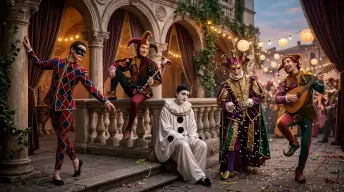
The word jester describes a person who entertains others through jokes, humor, silly behavior, and playful performances. Historically, jesters were entertainers who worked in royal courts, making kings, queens, and guests laugh. Today, the word can also describe someone who enjoys making people smile through clever jokes and funny actions.
Finding the right alternative depends on the meaning and situation. Words such as fool, buffoon, comedian, clown, joker, and humorist are closely related, but they do not always mean exactly the same thing. Some describe professional entertainers, while others refer to people who behave foolishly or enjoy making jokes. This guide explores useful alternatives, their meanings, examples, and differences to help you choose the right word.
Quick Answer:
Some common synonyms for jester include fool, court fool, buffoon, clown, comedian, joker, humorist, entertainer, harlequin, prankster, jokester, trickster, and wisecracker. The best choice depends on context. Use court fool for historical settings, comedian for professional entertainment, and joker for someone who enjoys making people laugh.
Synonyms for Jester: Complete List:
Here are useful words and expressions related to a jester, organized by meaning and context.
Closest Synonyms for Jester:
- Fool
- Court fool
- Court jester
- Buffoon
- Joker
- Clown
- Harlequin
- Jokester
- Comic
- Entertainer
- Humorist
- Wisecracker
- Merrymaker
- Prankster
- Funny person
Formal Alternatives for Jester:
- Comedian
- Humorist
- Comic performer
- Entertainer
- Satirist
- Performer
- Court entertainer
- Comic actor
- Professional comedian
- Stage performer
Neutral Alternatives for Jester:
- Joker
- Funny person
- Comic
- Storyteller
- Performer
- Amusing person
- Entertainer
- Humorous person
- Prankster
- Wit
Informal and Casual Alternatives for Jester:
- Goofball
- Jokester
- Wise guy
- Smart aleck
- Class clown
- Funny guy
- Goof
- Silly person
- Practical joker
- Laugh-maker
Historical and Literary Alternatives for Jester:
- Harlequin
- Motley fool
- Court fool
- Fool
- Pierrot
- Minstrel
- Troubadour
- Buffoon
- Court entertainer
- Comic performer
Words Related to Humor and Entertainment:
- Wit
- Satirist
- Humorist
- Comedian
- Clown
- Trickster
- Prankster
- Wisecracker
- Jokester
- Merrymaker
Formal Alternatives for Jester:
Formal alternatives are useful in historical writing, literature, educational content, and professional discussions. However, some describe a specific type of entertainer rather than a traditional court jester.
1. Comedian:
Meaning:
A comedian is someone who entertains people by making them laugh.
Explanation:
Comedian is a useful alternative when describing someone whose main purpose is to entertain through humor. Unlike a historical jester, a comedian may perform on television, stage, or social media.
Example:
The comedian entertained the audience with clever jokes.
Best Use:
Use it when discussing professional comedy, performances, and entertainment.
Worst Use:
Avoid it when describing a historical royal court jester if historical accuracy matters.
Tone: Professional and neutral.
2. Humorist:
Meaning:
A humorist is someone who creates or expresses humor through writing, speaking, or performance.
Explanation:
This word often describes someone who uses clever observations and amusing ideas to entertain others.
Example:
The humorist made the entire audience laugh with his observations.
Best Use:
Use it in literary discussions, biographies, and professional descriptions.
Worst Use:
Avoid it when describing someone whose humor mainly comes from physical tricks or silly actions.
Tone: Formal and intellectual.
3. Buffoon:
Meaning:
A buffoon is someone who behaves foolishly or makes others laugh through silly actions.
Explanation:
Buffoon is closely related to jester, especially when describing exaggerated or ridiculous behavior. However, it often carries a negative meaning.
Example:
The character acted like a buffoon throughout the performance.
Best Use:
Use it in literature, storytelling, or descriptions of foolish behavior.
Worst Use:
Avoid it as a polite compliment because it can sound insulting.
Tone: Critical and humorous.
4. Fool:
Meaning:
A fool is someone who acts unwisely or behaves in a silly way.
Explanation:
Historically, fools entertained royal courts through jokes and performances. The word can also describe someone who lacks good judgment.
Example:
The royal fool entertained the king with amusing stories.
Best Use:
Use it in historical writing and literary descriptions.
Worst Use:
Avoid it when you want to praise someone’s intelligence or professional comedy skills.
Tone: Historical, humorous, or negative.
5. Entertainer:
Meaning:
An entertainer is someone who performs to amuse or interest an audience.
Explanation:
This is a broader term than jester. It includes comedians, musicians, actors, and other performers.
Example:
The entertainer delighted the royal guests with funny performances.
Best Use:
Use it when the person’s role involves entertaining an audience.
Worst Use:
Avoid it when you need to emphasize jokes or foolish behavior specifically.
Tone: Professional and neutral.
6. Harlequin:
Meaning:
A harlequin is a traditional comic character known for colorful clothing, playful behavior, and theatrical performances.
Explanation:
Harlequin is connected to historical comedy and theatrical entertainment. It can be used in literary and historical contexts, but it is not a general replacement for every jester.
Example:
The harlequin entertained the audience with playful movements.
Best Use:
Use it when discussing traditional theater, costumes, and comic characters.
Worst Use:
Avoid it as a general term for a modern comedian.
Tone: Literary and theatrical.
7. Satirist:
Meaning:
A satirist is someone who uses humor, irony, or exaggeration to criticize people, ideas, or society.
Explanation:
A satirist may share the entertaining qualities of a jester, but their main purpose is often criticism rather than simple amusement.
Example:
The satirist used humor to criticize the political system.
Best Use:
Use it in literary, political, and cultural discussions.
Worst Use:
Avoid it when describing someone who only tells playful jokes.
Tone: Intellectual and critical.
8. Performer:
Meaning:
A performer is someone who presents entertainment to an audience.
Explanation:
This broad term can describe a jester, actor, comedian, dancer, or musician.
Example:
The performer amused the guests with clever jokes.
Best Use:
Use it when the person’s entertainment role matters more than the type of humor.
Worst Use:
Avoid it when you need a specific word for a comic entertainer.
Tone: Neutral and professional.
9. Comic Actor:
Meaning:
A comic actor is someone who performs humorous roles in theater, film, or television.
Explanation:
This phrase works when a jester-like character appears in a dramatic or theatrical performance.
Example:
The comic actor played a foolish royal servant in the production.
Best Use:
Use it in discussions about acting and theater.
Worst Use:
Avoid it when describing someone who tells jokes outside a performance.
Tone: Professional and theatrical.
10. Court Entertainer:
Meaning:
A court entertainer is someone who performs for members of a royal household.
Explanation:
This expression is a broad historical description of a jester’s role. It does not necessarily mean the person used comedy.
Example:
The court entertainer amused the royal family during the celebration.
Best Use:
Use it in historical writing.
Worst Use:
Avoid it when discussing modern stand-up comedy.
Tone: Formal and historical.
Semi-Formal and Neutral Alternatives:
These alternatives work in everyday writing, descriptions, conversations, and general communication.
1. Joker:
Meaning: Someone who enjoys making jokes.
Explanation: Joker is a close everyday alternative, although it does not necessarily describe a professional entertainer.
Example: Everyone knows him as the office joker.
Best Use: Casual descriptions and everyday conversations.
Worst Use: Formal historical writing.
Tone: Friendly and informal.
2. Prankster:
Meaning: Someone who enjoys playing tricks on others.
Explanation: A prankster shares the playful side of a jester but focuses more on practical jokes.
Example: The prankster surprised his friends with a harmless trick.
Best Use: Stories and casual descriptions.
Worst Use: Formal descriptions of stage performers.
Tone: Playful.
3. Wisecracker:
Meaning: Someone who makes clever or sarcastic remarks.
Explanation: This word describes verbal humor rather than traditional entertainment.
Example: The wisecracker always had a funny response.
Best Use: Casual conversations and character descriptions.
Worst Use: Formal academic writing.
Tone: Informal and witty.
4. Jokester:
Meaning: A person who frequently tells jokes.
Explanation: Jokester is a casual alternative for someone who enjoys making people laugh.
Example: My brother is a natural jokester.
Best Use: Everyday descriptions.
Worst Use: Formal reports.
Tone: Friendly.
5. Wit:
Meaning: A person known for clever and amusing remarks.
Explanation: Wit can refer to the quality of clever humor or to a person who displays it.
Example: The witty guest entertained everyone with sharp observations.
Best Use: Literary descriptions and conversations.
Worst Use: When describing physical comedy.
Tone: Intelligent and refined.
6. Comic:
Meaning: A person who performs or creates comedy.
Explanation: Comic is a useful alternative for a jester when discussing humorous performances.
Example: The comic made the audience laugh.
Best Use: Entertainment discussions.
Worst Use: When referring to someone whose role is not related to comedy.
Tone: Neutral.
7. Storyteller:
Meaning: Someone who tells stories to entertain or inform others.
Explanation: A storyteller may use humor like a jester, but storytelling does not always involve comedy.
Example: The storyteller entertained the children with funny tales.
Best Use: Educational and entertainment settings.
Worst Use: When describing a person who mainly performs physical comedy.
Tone: Neutral and friendly.
8. Merrymaker:
Meaning: Someone who creates happiness and enjoyment during social gatherings.
Explanation: This word captures the cheerful side of a jester.
Example: The merrymaker brought laughter to the celebration.
Best Use: Festive and literary writing.
Worst Use: Modern professional descriptions.
Tone: Cheerful and slightly old-fashioned.
9. Trickster:
Meaning: Someone who uses clever tricks or deception to achieve a goal.
Explanation: A trickster may be playful like a jester, but trickery is the main feature of this word.
Example: The trickster fooled everyone with a clever plan.
Best Use: Folklore, fiction, and character descriptions.
Worst Use: When describing a harmless comedian.
Tone: Playful or mischievous.
10. Amusing Person:
Meaning: Someone who makes other people laugh or smile.
Explanation: This is a simple descriptive expression rather than an exact synonym.
Example: Our teacher is an amusing person who makes lessons enjoyable.
Best Use: General writing and everyday communication.
Worst Use: Historical descriptions that require a precise role.
Tone: Polite and neutral.
Informal and Casual Alternatives:
Casual words are suitable for friends, family, humorous conversations, and relaxed writing.
1. Goofball:
Meaning: A person who behaves in a silly or funny way.
Example: My best friend is a lovable goofball.
When It Sounds Natural: Friendly conversations and playful descriptions.
When to Avoid It: Formal reports and professional introductions.
Tone: Warm and humorous.
2. Class Clown:
Meaning: A student who regularly makes classmates laugh.
Example: Everyone considered Jake the class clown.
When It Sounds Natural: School-related conversations.
When to Avoid It: Formal academic descriptions.
Tone: Playful and informal.
3. Wise Guy:
Meaning: Someone who makes clever, cheeky, or sarcastic remarks.
Example: Stop acting like a wise guy during the meeting.
When It Sounds Natural: Casual conversations.
When to Avoid It: Formal communication.
Tone: Teasing or slightly rude.
4. Smart Aleck:
Meaning: Someone who makes clever but often disrespectful comments.
Example: The smart aleck always had an answer for everything.
When It Sounds Natural: Informal descriptions of sarcastic people.
When to Avoid It: Positive professional feedback.
Tone: Critical and informal.
5. Funny Guy:
Meaning: A man who regularly makes people laugh.
Example: He is the funny guy in our group.
When It Sounds Natural: Friendly conversations.
When to Avoid It: Formal writing or descriptions requiring gender-neutral wording.
Tone: Casual and friendly.
6. Goof:
Meaning: Someone who behaves foolishly or playfully.
Example: You are such a goof!
When It Sounds Natural: Conversations among friends.
When to Avoid It: Professional or academic writing.
Tone: Affectionate and humorous.
7. Practical Joker:
Meaning: Someone who enjoys playing tricks on other people.
Example: My cousin is a practical joker who loves harmless surprises.
When It Sounds Natural: Casual stories and conversations.
When to Avoid It: When the person only tells jokes rather than playing tricks.
Tone: Informal and playful.
8. Silly Person:
Meaning: Someone who behaves in a funny or foolish way.
Example: He is a silly person who makes everyone smile.
When It Sounds Natural: Friendly descriptions.
When to Avoid It: Professional biographies.
Tone: Simple and lighthearted.
True Synonyms vs. Contextual Alternatives:
Not every word related to a jester has the same meaning. Some describe professional performers, while others refer to people who behave foolishly or enjoy playing tricks.
| Type | What It Means | Can It Replace the Original? |
|---|---|---|
| True synonym | A word with almost the same meaning, such as court fool | Yes, in suitable contexts |
| Near synonym | A closely related word, such as buffoon | Sometimes |
| Contextual alternative | A word that fits a particular situation, such as comedian | Depends on context |
| Broader expression | A general term, such as entertainer | Yes, but less specifically |
| Narrower expression | A specific term, such as court fool | Only in certain situations |
What Makes a Word a True Synonym?
A true synonym has nearly the same meaning as the original word. Court fool is particularly close to jester because both can describe a historical entertainer who performed for royalty.
Near Synonyms and Related Expressions:
Words such as clown, buffoon, and joker share some features with jester, but each has a different focus.
Differences Between a Jester, Fool, Clown, and Buffoon:
- Jester: A traditional entertainer, often associated with royal courts.
- Fool: Someone who behaves unwisely or a historical comic entertainer.
- Clown: A comic performer who often uses costumes, physical humor, and exaggerated actions.
- Buffoon: Someone who behaves in a ridiculous or foolish way.
Business and Professional Usage:
Using Humorist in Professional Writing:
Humorist works well when describing someone who creates humor through writing, speaking, or public appearances.
Example: The company invited a humorist to speak at its annual event.
Choosing Comedian for Entertainment Contexts:
Comedian is more suitable when discussing professional comedy shows, events, or performers.
Example: The event features a popular comedian.
Using Entertainer in Business Communication:
Entertainer is a broader and more neutral option when the exact performance style is unknown.
Example: We hired an entertainer for the company celebration.
Academic and Literary Writing:
Alternatives for Historical Essays:
Use court fool, court jester, or royal entertainer when discussing historical royal entertainment.
Words for Medieval Court Entertainment:
Terms such as jester, fool, and court entertainer help describe different roles in medieval royal households.
Choosing Accurate Terms in Literary Analysis:
Use buffoon for foolish behavior, trickster for deceptive characters, and humorist for someone known for creating humor.
Email and Professional Communication:
Polite Alternatives for Describing a Funny Person:
Use humorous colleague, entertaining speaker, or witty presenter instead of words that may sound insulting.
Choosing the Right Tone in Professional Emails:
Choose comedian when discussing professional comedy, entertainer for a general performer, and humorist for someone known for clever observations.
Email Examples Using Jester Alternatives:
Email Describing a Humorous Performer:
Subject: Recommendation for the Annual Event
Hi Sarah,
I would like to recommend a comedian for our annual company event. His performances are engaging, appropriate for a professional audience, and enjoyable for different age groups.
Please let me know if you would like me to share his details.
Best regards,
Michael
Email About a Comedy Event:
Subject: Details About the Comedy Show
Hello Team,
We are planning a comedy show for next month’s celebration. The entertainer will perform a short routine designed to make the evening more enjoyable.
I will share the schedule once the arrangements are confirmed.
Best,
Daniel
Email Recommending an Entertainer:
Subject: Suggested Performer for the Celebration
Dear James,
I recommend hiring a humorous performer for the upcoming event. Their style would suit the audience and help create a relaxed atmosphere.
Please consider this suggestion when reviewing the event arrangements.
Kind regards,
Robert
Email Discussing a Historical Performance:
Subject: Historical Presentation on Royal Entertainment
Dear Professor,
I have included information about court fools in my presentation. These entertainers used jokes, stories, and performances to amuse members of royal households.
I believe this will help explain their historical role.
Sincerely,
Emily
Email Praising a Colleague’s Humor:
Subject: Thank You for the Presentation
Hi David,
Your presentation was informative and entertaining. Your witty remarks made the discussion more enjoyable without taking attention away from the main points.
Thank you for making the meeting engaging.
Best,
Alex
Short Dialogue Examples:
Workplace Conversation:
Person A: Who always makes everyone laugh during lunch?
Person B: Mark. He is the office joker.
Classroom Discussion:
Person A: Why does everyone laugh whenever Tom speaks?
Person B: He is the class clown.
Customer Service Conversation:
Person A: The event host was really entertaining.
Person B: Yes, the comedian did a wonderful job.
Casual Conversation:
Person A: Your brother is always doing something silly.
Person B: I know! He is such a goofball.
Literary Discussion:
Person A: What role did the jester play in the royal court?
Person B: The court fool entertained the royal family through humor and performances.
How to Replace Jester in a Sentence:
Replacing Jester With Fool:
Original: The jester entertained the king.
Alternative: The fool entertained the king.
Why It Works: Fool has a historical connection to royal entertainment, although it can also suggest poor judgment.
Replacing Jester With Comedian:
Original: The jester made everyone laugh.
Alternative: The comedian made everyone laugh.
Why It Works: Comedian emphasizes professional or intentional comedy rather than a historical court role.
Replacing Jester With Buffoon:
Original: The jester behaved foolishly.
Alternative: The buffoon behaved foolishly.
Why It Works: Buffoon emphasizes ridiculous behavior and can sound more insulting.
Replacing Jester With Entertainer:
Original: The jester performed for the royal guests.
Alternative: The entertainer performed for the royal guests.
Why It Works: Entertainer is broader and does not specify the type of performance.
Replacing Jester With Joker:
Original: He was the jester of the group.
Alternative: He was the joker of the group.
Why It Works: Joker sounds natural when describing someone who frequently makes friends laugh.
Replacing Jester With Trickster:
Original: The jester fooled the audience with a clever trick.
Alternative: The trickster fooled the audience with a clever trick.
Why It Works: Trickster emphasizes clever tricks rather than entertainment alone.
Replacing Jester With Harlequin:
Original: The jester wore a colorful costume.
Alternative: The harlequin wore a colorful costume.
Why It Works: Harlequin suits theatrical descriptions involving traditional comic characters and costumes.
Replacing Jester With Humorist:
Original: The jester entertained the audience with clever remarks.
Alternative: The humorist entertained the audience with clever remarks.
Why It Works: Humorist emphasizes clever verbal humor and observations.
Comparison of Jester Alternatives:
| Phrase | Tone | Meaning / Scope | Best Use | Example |
|---|---|---|---|---|
| Court fool | Historical | Royal entertainer | History | The court fool amused the king. |
| Comedian | Professional | Comedy performer | Entertainment | The comedian told jokes. |
| Buffoon | Negative | Foolish person | Literature | He acted like a buffoon. |
| Joker | Casual | Person who jokes | Everyday life | He is the office joker. |
| Humorist | Formal | Creator of humor | Writing | The humorist wrote amusing stories. |
| Clown | Playful | Comic performer | Entertainment | The clown entertained children. |
| Trickster | Mischievous | Clever deceiver | Fiction | The trickster fooled everyone. |
| Harlequin | Literary | Traditional comic character | Theater | The harlequin wore a colorful costume. |
| Prankster | Casual | Practical joker | Everyday life | The prankster played a trick. |
| Merrymaker | Cheerful | Person who creates fun | Celebrations | The merrymaker lifted everyone’s spirits. |
Which Alternative Should You Choose?
Best Formal Alternative:
Choose humorist or entertainer when writing about someone who creates amusement through words or performances.
Best Professional Alternative:
Use comedian for professional comedy and entertainer for general event descriptions.
Best Academic Alternative:
Choose court fool or court entertainer when discussing historical royal entertainment.
Best Literary Alternative:
Use buffoon, trickster, or harlequin when the character’s behavior or theatrical role matches the term.
Best Everyday Alternative:
Joker is a natural choice for someone who regularly makes others laugh.
Best Casual Alternative:
Goofball and jokester work well in friendly conversations.
Best Historical Alternative:
Court fool is especially suitable when describing a traditional royal entertainer.
Grammar and Usage Guide:
Is Jester a Noun?
Yes. Jester is a countable noun used for a person who entertains others through humor and playful behavior.
Example: The jester entertained the royal family.
Singular and Plural Forms:
The singular form is jester, while the plural form is jesters.
- One jester performed at the palace.
- Several jesters entertained the guests.
Using Jester in a Sentence:
Jester can function as the subject or object of a sentence.
- The jester told a funny story.
- The king praised the jester.
- Everyone enjoyed the jester’s performance.
Capitalization and Punctuation:
Jester is generally written in lowercase unless it begins a sentence or appears in a proper name or title.
Example: The jester entertained the crowd.
Common Word Combinations:
Some natural expressions include:
- Court jester
- Royal jester
- Funny jester
- Jester costume
- Jester hat
- Jester performance
- Jester character
- Medieval jester
Difference Between Jester and Jesters:
Jester refers to one person, while jesters refers to more than one.
Example: The jester performed alone, but the other jesters joined him later.
Common Mistakes to Avoid:
Confusing a Jester With a Clown:
A jester is traditionally linked to royal entertainment, while a clown is generally associated with comic performances and costumes.
Using Buffoon as a Positive Compliment:
Buffoon often sounds insulting. Use jokester or humorist if you want to praise someone’s sense of humor.
Treating Every Comedian as a Jester:
A comedian performs comedy, but a jester traditionally has a more specific historical role.
Confusing a Trickster With an Entertainer:
A trickster uses clever deception, while an entertainer performs to amuse an audience.
Using Historical Terms Incorrectly:
Words such as harlequin and court fool have specific historical or theatrical meanings.
Choosing an Inappropriate Tone:
Avoid informal expressions such as goofball in formal academic writing.
Repeating Similar Words:
Using joker, jokester, and wisecracker repeatedly can make writing sound repetitive.
Ignoring Context:
Choose a word based on whether you are describing humor, foolishness, tricks, or professional performance.
When Not to Use the Word Jester:
In Formal Professional Writing:
Jester may sound too historical or playful when describing a modern professional comedian.
When Describing a Modern Comedian:
Comedian is usually clearer when referring to someone who performs comedy professionally.
In Academic Historical Writing:
Use a more precise term when the historical role or social position matters.
When the Person Is Not an Entertainer:
Do not call someone a jester simply because they behave unusually or make occasional jokes.
When a More Precise Word Is Available:
Choose trickster for deception, humorist for clever humor, and clown for a specific comic performer.
Advanced Writing Tips:
Tone Control:
Use court fool for historical writing, humorist for a refined description, and jokester for casual conversations.
Professional Writing Etiquette:
Avoid words that might insult someone. Entertainer and comedian are usually safer professional choices.
Choosing Respectful Descriptions:
If you want to praise someone, choose witty, humorous, or entertaining rather than buffoon or fool.
Context and Audience Alignment:
A word that works in a funny story may not fit an academic essay. Consider the reader before choosing an alternative.
Improving Word Precision:
Identify the person’s main quality. Are they telling jokes, performing comedy, playing tricks, or acting foolishly? Choose the word that describes that behavior.
Keeping Sentences Readable:
Do not replace a simple word with an uncommon historical expression just to make your writing sound advanced. Clear language is usually more effective.
Related Questions About Jester Synonyms:
What Is Another Word for Jester?
Fool, court fool, joker, buffoon, comedian, and clown are common alternatives. Court fool is particularly close to the historical meaning, while joker is more suitable for everyday descriptions.
What Is a More Formal Word for Jester?
Humorist, entertainer, comic performer, and court entertainer are useful formal alternatives. The right choice depends on whether you are describing humor, professional performance, or a historical royal role.
Is Fool Another Word for Jester?
Yes, fool can be a synonym for jester in historical and literary contexts. However, fool can also describe someone who makes poor decisions, so context matters.
What Is the Difference Between a Jester and a Clown?
A jester traditionally entertained royal courts through jokes, stories, and performances. A clown is generally a comic performer known for exaggerated expressions, costumes, physical humor, and playful actions.
What Is a Medieval Jester Called?
A medieval jester was often called a court fool or simply a fool. These entertainers performed for royal households and used humor, music, stories, and playful behavior.
What Is a Funny Person Called?
A funny person can be called a joker, jokester, comedian, humorist, or wisecracker. The best word depends on whether the person tells jokes, performs professionally, or makes clever comments.
What Is the Difference Between a Joker and a Jester?
A joker is someone who enjoys making jokes, while a jester traditionally refers to an entertainer who performed for royalty. Joker is more common in everyday conversations.
Frequently Asked Questions:
What Is the Closest Synonym for Jester?
Court fool is one of the closest alternatives because it describes a traditional entertainer who performed for royalty. Fool is another closely related word, especially in historical writing.
What Is a More Formal Word for Jester?
Humorist, entertainer, and comic performer are suitable formal alternatives. Use humorist for someone known for creating humor and entertainer for someone who performs for an audience.
Is Buffoon a Synonym for Jester?
Yes, buffoon is a related word, but it usually describes someone who behaves foolishly or ridiculously. Unlike jester, it often carries a negative meaning.
What Is the Difference Between a Jester and a Fool?
A jester traditionally entertained people, especially members of royal households. Fool can describe a similar historical entertainer, but it also refers to someone who acts without good judgment.
What Did Medieval Jesters Do?
Medieval jesters entertained royal families and court guests through jokes, storytelling, music, tricks, and playful performances. Some also used satire to comment on people and events.
Is Comedian Another Word for Jester?
Comedian is a contextual alternative rather than an exact synonym. Both can entertain people through humor, but comedian usually refers to a modern comedy performer.
What Is a Female Jester Called?
There is no single widely established special English word for a female jester. The term jester is gender-neutral and can describe a woman who performs the traditional role.
Key Takeaways:
- Court fool is one of the closest historical alternatives to jester.
- Comedian and entertainer are useful for modern performances.
- Joker and jokester work naturally in everyday conversations.
- Buffoon and fool can sound negative, so use them carefully.
- Always choose an alternative based on meaning, audience, and tone.
Conclusion:
Choosing the right alternative for jester depends on the person, their behavior, and the situation. Court fool and fool are strong choices for historical discussions, while comedian and entertainer work better for modern performances. If you are describing someone who regularly makes people laugh, joker, jokester, and humorist may sound more natural.
Some related words have different meanings. Buffoon suggests foolish behavior, trickster focuses on clever deception, and harlequin refers to a traditional theatrical character. These differences matter when writing articles, stories, essays, or professional descriptions.
The best word is not always the most unusual one. Choose an alternative that communicates your intended meaning clearly and fits your audience. A precise word makes your writing more natural, engaging, and easier to understand.