

Finding the right word can make a simple compliment, description, email, or piece of creative writing much more expressive. Beautiful is one of the most common English words for describing something pleasing, attractive, or delightful, but it is not always the most precise choice.
The best synonym depends on what you are describing and the feeling you want to create. A person may be elegant, radiant, or stunning, while a place may be breathtaking, picturesque, or scenic. In formal writing, words such as exquisite or remarkable may work better than casual choices such as gorgeous or pretty.
Quick Answer:
Common synonyms for the word beautiful include lovely, attractive, gorgeous, stunning, elegant, exquisite, charming, pretty, radiant, graceful, breathtaking, appealing, captivating, magnificent, and alluring. The best choice depends on context, tone, and what kind of beauty you want to describe.
Synonyms for the Word Beautiful:
Here are useful alternatives to beautiful, grouped by meaning and tone:
Closest Synonyms for Beautiful
- Lovely
- Gorgeous
- Pretty
- Attractive
- Stunning
- Elegant
- Exquisite
- Charming
- Graceful
- Alluring
- Radiant
- Appealing
Formal Synonyms for Beautiful
- Exquisite
- Magnificent
- Breathtaking
- Elegant
- Refined
- Splendid
- Remarkable
- Striking
Neutral Synonyms for Beautiful
- Lovely
- Attractive
- Appealing
- Charming
- Graceful
- Pleasant
- Delightful
- Captivating
Casual and Informal Alternatives
- Gorgeous
- Pretty
- Amazing
- Stunning
- Cute
- Awesome
- Fantastic
Contextual Alternatives
- Picturesque — especially for scenery
- Scenic — for attractive natural views
- Radiant — for someone’s glowing appearance
- Refined — for sophisticated beauty
- Impressive — for something that creates admiration
- Captivating — for something that holds attention
Formal Alternatives to Beautiful:
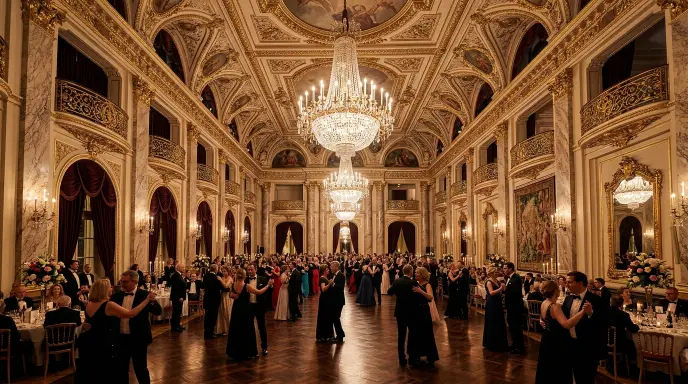
Formal alternatives are useful in academic writing, professional descriptions, reviews, presentations, and polished communication. However, not every formal word is a direct replacement. Some emphasize elegance, visual impact, quality, or emotional effect.
Exquisite
Meaning: Extremely beautiful and carefully made or presented.
Explanation: Exquisite is stronger and more refined than beautiful. It often suggests exceptional detail, quality, or craftsmanship.
Example: The museum displayed an exquisite collection of handmade jewelry.
Best Use: Art, jewelry, design, craftsmanship, food presentation, and elegant objects.
Worst Use: Casual situations where such a strong word may sound overly dramatic.
Tone: Refined and sophisticated.
Magnificent
Meaning: Extremely impressive, grand, or beautiful.
Explanation: Magnificent often combines beauty with size, power, grandeur, or importance.
Example: Visitors were amazed by the magnificent architecture of the old palace.
Best Use: Buildings, landscapes, events, architecture, and impressive achievements.
Worst Use: Small or ordinary objects.
Tone: Grand and admiring.
Elegant
Meaning: Beautiful in a graceful, simple, and sophisticated way.
Explanation: Elegant focuses more on style, grace, and good taste than simple physical attractiveness.
Example: She chose an elegant black dress for the formal dinner.
Best Use: Clothing, design, writing, manners, interiors, and people.
Worst Use: Situations where you mean colorful, dramatic, or highly exciting beauty.
Tone: Sophisticated and polished.
Breathtaking
Meaning: So beautiful or impressive that it creates a strong emotional reaction.
Explanation: Breathtaking is a vivid expression rather than a simple neutral synonym.
Example: We stopped at the viewpoint to admire the breathtaking mountain scenery.
Best Use: Landscapes, sunsets, architecture, performances, and memorable sights.
Worst Use: Ordinary objects or routine situations.
Tone: Strong and emotional.
Striking
Meaning: Very noticeable because of its unusual or powerful appearance.
Explanation: Striking does not always mean conventionally beautiful. It emphasizes visual impact.
Example: The building has a striking modern design.
Best Use: Art, architecture, fashion, photography, and distinctive appearances.
Worst Use: When you specifically want to express warmth or softness.
Tone: Strong and descriptive.
Radiant
Meaning: Glowing with beauty, happiness, or energy.
Explanation: Radiant is often used for people, especially when someone’s face appears bright and joyful.
Example: She looked radiant on her wedding day.
Best Use: People, smiles, faces, and positive emotional states.
Worst Use: Technical or highly objective descriptions.
Tone: Warm and positive.
Refined
Meaning: Sophisticated, tasteful, and polished.
Explanation: Refined describes a quality of beauty that comes from simplicity, elegance, or good taste.
Example: The restaurant has a refined interior with carefully chosen details.
Best Use: Design, fashion, architecture, manners, and artistic style.
Worst Use: When describing playful or youthful beauty.
Tone: Sophisticated.
Splendid
Meaning: Very impressive, excellent, or beautiful.
Explanation: Splendid can describe something visually attractive or generally excellent.
Example: The garden looked splendid after the spring flowers opened.
Best Use: Gardens, events, clothing, scenery, and positive descriptions.
Worst Use: Technical writing where a more precise term is needed.
Tone: Formal and positive.
Alluring
Meaning: Attractive in a way that creates interest or fascination.
Explanation: Alluring suggests a quality that draws people toward someone or something.
Example: The coastline has an alluring charm that attracts visitors every year.
Best Use: People, places, designs, and experiences.
Worst Use: Plain factual writing.
Tone: Sophisticated and evocative.
Remarkable
Meaning: Unusually impressive or worthy of attention.
Explanation: Remarkable is broader than beautiful. It can describe something impressive without focusing only on appearance.
Example: The garden is remarkable for its unusual combination of native plants.
Best Use: Formal descriptions, reviews, reports, and general praise.
Worst Use: When you specifically need to communicate visual beauty.
Tone: Professional and neutral.
Semi-Formal & Neutral Alternatives:
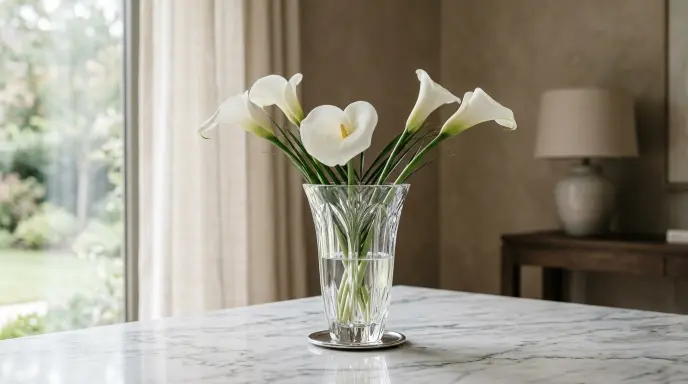
Lovely
Meaning: Very pleasant, attractive, or enjoyable.
Example: We had a lovely afternoon in the park.
Best Use: People, places, experiences, gifts, and everyday writing.
Worst Use: Highly technical or legal writing.
Tone: Warm and friendly.
Attractive
Meaning: Pleasant or appealing in appearance.
Example: The company created an attractive layout for its new website.
Best Use: People, products, designs, websites, and marketing.
Worst Use: Emotional compliments where a warmer word would sound more natural.
Tone: Neutral and practical.
Appealing
Meaning: Pleasant or interesting enough to attract attention or interest.
Example: The new package design is simple but appealing.
Best Use: Products, ideas, designs, offers, and experiences.
Worst Use: Intimate personal compliments where it may sound distant.
Tone: Neutral and professional.
Charming
Meaning: Pleasant and attractive in a warm or delightful way.
Example: The small village has a charming old town.
Best Use: People, homes, villages, personalities, and experiences.
Worst Use: Situations requiring a strong description of dramatic beauty.
Tone: Warm and pleasant.
Graceful
Meaning: Attractive because of smooth, elegant movement or form.
Example: The dancer made a graceful movement across the stage.
Best Use: People, movement, dance, animals, and design.
Worst Use: Objects where movement or elegance is not relevant.
Tone: Elegant and gentle.
Delightful
Meaning: Very pleasant and enjoyable.
Example: The cottage has a delightful garden.
Best Use: Experiences, places, conversations, events, and personal writing.
Worst Use: Formal technical descriptions.
Tone: Cheerful and warm.
Captivating
Meaning: So attractive or interesting that it holds your attention.
Example: The photographer captured a captivating sunset over the lake.
Best Use: Art, photography, performances, stories, people, and scenery.
Worst Use: Very plain factual descriptions.
Tone: Expressive.
Pleasant
Meaning: Enjoyable, agreeable, or pleasing.
Example: The room has a pleasant view of the garden.
Best Use: Neutral descriptions, professional writing, and everyday communication.
Worst Use: When you want to express extraordinary beauty.
Tone: Mild and neutral.
Pretty
Meaning: Attractive in a delicate, pleasing, or appealing way.
Example: She bought a pretty blue dress.
Best Use: Everyday speech, informal writing, clothing, decorations, and small objects.
Worst Use: Formal writing or situations where you want to emphasize grandeur.
Tone: Casual and friendly.
Graceful
Meaning: Elegant and pleasing in appearance or movement.
Example: The swan looked graceful as it moved across the lake.
Best Use: Movement, people, animals, dance, and elegant forms.
Worst Use: Describing something rugged or powerful.
Tone: Elegant and gentle.
Informal and Casual Alternatives:
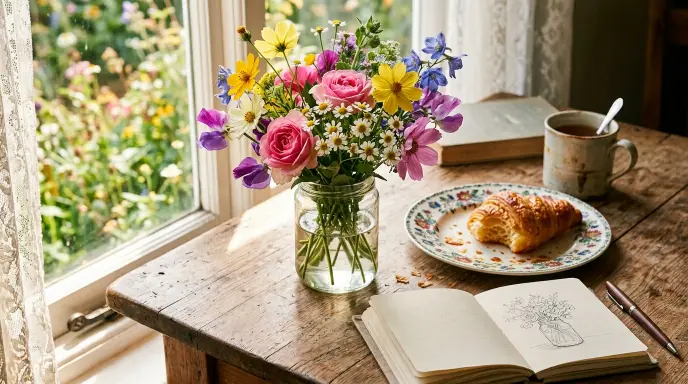
Gorgeous
Meaning: Extremely attractive or beautiful.
Example: Your new jacket looks gorgeous.
When It Sounds Natural: Compliments, conversations, social media, and friendly messages.
When to Avoid It: Formal reports, academic writing, and legal documents.
Tone: Strong, enthusiastic, and casual.
Stunning
Meaning: Extremely attractive or impressive.
Example: That sunset is stunning.
When It Sounds Natural: Conversation, reviews, social media, travel writing, and compliments.
When to Avoid It: Highly technical writing.
Tone: Strong and enthusiastic.
Amazing
Meaning: Extremely impressive or enjoyable.
Example: The view from the hill was amazing.
When It Sounds Natural: Everyday conversation and informal writing.
When to Avoid It: When precise visual description is needed.
Tone: Casual and enthusiastic.
Awesome
Meaning: Extremely good, impressive, or exciting.
Example: You took some awesome photos of the beach.
When It Sounds Natural: Casual conversation and messages.
When to Avoid It: Formal business or academic writing.
Tone: Very casual and enthusiastic.
Cute
Meaning: Attractive or endearing in a small, sweet, or charming way.
Example: That puppy is so cute.
When It Sounds Natural: Animals, children, small objects, casual compliments, and friendly conversation.
When to Avoid It: Formal descriptions or situations where mature elegance is intended.
Tone: Casual, warm, and playful.
True Synonyms vs Contextual Alternatives:
Not every word in a synonym list can replace beautiful in every sentence. Some alternatives focus on a particular type of attractiveness.
| Type | What It Means | Can It Replace the Original? |
|---|---|---|
| True synonym | Has nearly the same basic meaning | Often |
| Near synonym | Similar but has a slightly different meaning | Sometimes |
| Contextual alternative | Works in a particular situation | Only in suitable contexts |
| Broader expression | Covers beauty plus other qualities | Depends on context |
| Narrower expression | Describes one specific type of beauty | Only in specific situations |
For example, lovely can often replace beautiful, but radiant is more specific because it suggests a glowing appearance. Scenic works well for landscapes but usually cannot replace beautiful when describing a person.
Industry-Specific Uses of Beautiful:
Business Writing
Business writing usually benefits from precise language rather than emotional praise.
Instead of:
The product has a beautiful design.
You could write:
The product has an elegant and user-friendly design.
Here, elegant gives a clearer idea of the design quality.
Corporate Communication
Corporate communication should sound professional and specific.
Instead of describing an office as beautiful, you might use:
- Modern
- Elegant
- Well-designed
- Refined
- Inviting
- Visually appealing
Example:
The renovated office features a modern, inviting interior.
Academic Writing
Academic writing generally avoids vague praise. Instead of simply calling something beautiful, explain what makes it attractive.
Example:
The painting is visually striking because of its balanced composition and use of light.
This approach is more informative than simply saying:
The painting is beautiful.
Customer Service
Customer service language should be warm but clear.
Example:
Thank you for your kind feedback. We are glad you found the new collection appealing.
Appealing sounds polite and professional without being overly personal.
Legal Writing
Legal writing rarely needs an emotional synonym for beautiful. If appearance is legally relevant, use precise descriptive language.
For example, a document might refer to the appearance, design, condition, or visual characteristics of an item rather than calling it beautiful.
The exact wording can matter in legal documents, so a casual synonym should not be substituted automatically.
Email Communication
Professional emails can use words such as:
- Elegant
- Attractive
- Appealing
- Impressive
- Well-designed
- Striking
These usually sound more appropriate than highly casual words such as awesome or gorgeous.
Email Examples Using Alternatives to Beautiful:
Client Email
Subject: Feedback on the New Design
Hi Sarah,
Thank you for sharing the latest design. The layout is elegant, and the clean structure makes the information easy to follow. I especially like how the images complement the written content.
Best,
James
Project Update
Subject: Website Design Update
Hi Daniel,
The revised homepage looks appealing and much easier to navigate. The updated spacing also gives the page a cleaner appearance.
Please let me know if you would like me to review the remaining pages.
Best,
Mia
Customer Service
Subject: Thank You for Your Feedback
Hello Mark,
Thank you for your kind feedback about our new collection. We are pleased to hear that you found the designs lovely and enjoyed the overall presentation.
Best regards,
Customer Support Team
Academic Communication
Subject: Feedback on the Presentation
Dear Professor Lee,
Thank you for your feedback. I found the presentation particularly striking, especially the way the historical images were arranged.
Best regards,
Emily
Vendor Communication
Subject: Packaging Design Feedback
Hello David,
The updated packaging looks refined and professional. The simpler design gives the product a stronger visual identity.
Thank you for making those revisions.
Best,
Alex
Short Dialogue Examples:
Workplace
Person A: What do you think of the new office?
Person B: It looks elegant. The design feels simple but professional.
Classroom
Person A: How would you describe the painting?
Person B: I would call it striking because the colors immediately catch your attention.
Casual Conversation
Person A: Did you see her new dress?
Person B: Yes, it looks gorgeous!
Customer Service
Person A: What do you think of the new packaging?
Person B: It is very appealing. The design is clean and easy to recognize.
Professional Discussion
Person A: How would you describe the building?
Person B: I would say it is magnificent. Its architecture is especially impressive.
How to Replace “Beautiful” in a Sentence:
Example 1
Original: The garden is beautiful.
Alternative: The garden is lovely.
Why it works: Lovely keeps the positive meaning while sounding warm and natural.
Example 2
Original: She looked beautiful at the event.
Alternative: She looked elegant at the event.
Why it works: Elegant emphasizes sophisticated style rather than beauty in general.
Example 3
Original: The mountain view was beautiful.
Alternative: The mountain view was breathtaking.
Why it works: Breathtaking communicates a much stronger emotional reaction.
Example 4
Original: The website has a beautiful design.
Alternative: The website has an appealing design.
Why it works: Appealing is more neutral and works well in professional communication.
Example 5
Original: She has a beautiful smile.
Alternative: She has a radiant smile.
Why it works: Radiant suggests brightness, warmth, and happiness.
Example 6
Original: They live in a beautiful village.
Alternative: They live in a picturesque village.
Why it works: Picturesque specifically suggests an attractive scene that looks suitable for a picture.
Example 7
Original: He gave her a beautiful necklace.
Alternative: He gave her an exquisite necklace.
Why it works: Exquisite emphasizes exceptional craftsmanship and detail.
Example 8
Original: We had a beautiful evening.
Alternative: We had a delightful evening.
Why it works: Delightful focuses on the enjoyable experience rather than physical appearance.
Comparison of Common Alternatives:
| Phrase | Tone | Meaning / Scope | Best Use | Example |
|---|---|---|---|---|
| Beautiful | Neutral | General attractiveness | Most situations | The garden is beautiful. |
| Lovely | Warm | Pleasant beauty | Everyday writing | It is a lovely home. |
| Gorgeous | Casual | Very attractive | Compliments | Your dress is gorgeous. |
| Elegant | Refined | Sophisticated beauty | Style and design | She wore an elegant dress. |
| Exquisite | Formal | Exceptional beauty/detail | Art and craftsmanship | An exquisite necklace |
| Stunning | Strong | Highly impressive beauty | People, places, images | A stunning view |
| Radiant | Warm | Glowing beauty | People and smiles | A radiant smile |
| Charming | Warm | Pleasant attraction | Places and personalities | A charming village |
| Breathtaking | Strong | Emotionally powerful beauty | Scenery and sights | Breathtaking scenery |
| Attractive | Neutral | Visually appealing | People, products, design | An attractive layout |
| Captivating | Expressive | Holds attention | Art, people, views | A captivating photograph |
| Picturesque | Descriptive | Visually scenic | Places and landscapes | A picturesque village |
Which Alternative Should You Choose?
For Formal Writing
Choose exquisite, elegant, refined, striking, or remarkable, depending on the exact meaning.
For Business Communication
Use appealing, attractive, elegant, well-designed, or visually striking.
For Academic Writing
Avoid vague praise when possible. Explain the specific quality you mean, such as visually striking, aesthetically pleasing, or well-composed.
For Legal Writing
Use objective descriptive language rather than emotional terms. Describe the appearance, condition, design, or relevant characteristics precisely.
For Professional Emails
Elegant, appealing, attractive, and impressive are generally safer choices than highly casual expressions.
For Everyday Conversation
Lovely, pretty, gorgeous, stunning, and beautiful all sound natural depending on the situation.
For Casual Messages
Gorgeous, amazing, stunning, awesome, and cute can work well when the relationship and context are informal.
Grammar and Usage of Beautiful:
Beautiful as an Adjective
Beautiful is an adjective, so it normally describes a noun.
Examples:
- A beautiful garden
- A beautiful painting
- A beautiful voice
- A beautiful day
It can also appear after linking verbs:
The sunset is beautiful.
Beautiful vs Beautifully
Beautiful describes a noun.
She has a beautiful voice.
Beautifully describes how an action happens.
She sang beautifully.
Do not confuse the two forms.
Common Word Combinations
Natural combinations include:
- Beautiful view
- Beautiful scenery
- Beautiful smile
- Beautiful place
- Beautiful design
- Beautiful landscape
- Beautiful voice
- Beautiful artwork
- Beautiful experience
- Beautiful moment
Comparative and Superlative Forms
The common comparative form is more beautiful, and the superlative form is most beautiful.
Examples:
This garden is more beautiful than the other one.
That was the most beautiful sunset I had ever seen.
Beautiful as a General Description
Beautiful can describe physical appearance, nature, art, ideas, experiences, sounds, writing, and emotional moments.
However, a more specific synonym can often make the sentence stronger and clearer.
Common Mistakes to Avoid:
1. Treating Every Synonym as Identical
Gorgeous, elegant, radiant, and breathtaking do not mean exactly the same thing.
2. Using Casual Words in Formal Writing
Words such as awesome may sound too informal in academic or professional writing.
3. Using Strong Words for Ordinary Situations
Calling a simple office chair breathtaking may sound exaggerated.
4. Confusing Beauty With General Quality
Amazing can mean excellent or surprising, not necessarily beautiful.
5. Ignoring Context
Picturesque works naturally for scenery but is not a normal replacement for every use of beautiful.
6. Using Elegant When You Mean Dramatic
Elegant suggests grace and sophistication. It does not necessarily mean bold or visually dramatic.
7. Overusing Beautiful
Repeating beautiful throughout an article can make writing feel flat. Choose a more precise word when one is available.
8. Choosing a Word Only Because It Sounds Strong
A stronger synonym is not always a better synonym. Accuracy should come before intensity.
When Not to Use the Original Word Beautiful:
Beautiful is a useful and natural word, but another option may be better when:
You Need More Precision
Instead of:
The building is beautiful.
Try:
The building has an elegant design.
You Want to Avoid Repetition
If beautiful appears several times in the same paragraph, alternatives can make the writing more varied.
You Are Writing Professionally
A specific word such as appealing, refined, or well-designed may communicate your meaning more clearly.
You Need a Stronger Emotional Effect
Use breathtaking or stunning when the subject creates a particularly powerful reaction.
You Want to Describe a Specific Type of Beauty
Use radiant for a glowing appearance, picturesque for scenery, or exquisite for exceptional craftsmanship.
Beautiful is still the better choice when you want a simple, natural, widely understood word. It is neither too formal nor too casual and works across many types of writing.
Advanced Tips for Choosing the Right Word:
Tone Control
Think about the feeling you want to create. Lovely sounds warm, elegant sounds sophisticated, and stunning sounds enthusiastic.
Professional Email Etiquette
Choose words that sound positive without becoming overly personal. Appealing, elegant, and impressive often work well.
Politeness
Some words can feel more personal than others. A compliment such as radiant may sound warmer than the more neutral attractive.
Context Alignment
Ask what you are actually describing. A landscape can be picturesque, a person can be radiant, and a design can be refined.
Precision
Do not simply search for a stronger synonym. Search for the word that communicates the exact quality you mean.
Readability
Simple words are often the strongest choice. If beautiful communicates your meaning clearly, there is no need to replace it.
Related Questions About Beautiful Synonyms:
What Is Another Way to Say Beautiful?
Common alternatives include lovely, gorgeous, stunning, attractive, elegant, pretty, exquisite, charming, radiant, and breathtaking. The best choice depends on whether you are describing a person, place, object, design, experience, or another form of beauty.
What Is a Professional Word for Beautiful?
Elegant, attractive, appealing, refined, striking, and well-designed can work well in professional contexts. The most suitable word depends on the subject. For example, elegant may suit a design, while appealing may work better for a product.
What Is a More Formal Word for Beautiful?
Exquisite, magnificent, refined, elegant, and splendid can sound more formal or sophisticated. However, some are stronger than beautiful, so they should only be used when their additional meaning fits the context.
What Is a Stronger Word Than Beautiful?
Words such as stunning, breathtaking, magnificent, gorgeous, and exquisite can express a stronger degree of admiration. They are not interchangeable in every situation because each carries a slightly different tone or focus.
Is Beautiful Formal or Informal?
Beautiful is a neutral word. It works in casual conversation, professional writing, creative writing, and many formal contexts. Its flexibility is one reason it remains one of the most useful words for describing attractiveness.
Can Gorgeous Replace Beautiful?
Often, yes, but gorgeous is usually more enthusiastic and informal. For example, “That dress is gorgeous” sounds natural in conversation, while “The report presents an elegant design” is more suitable for professional writing.
What Is the Difference Between Beautiful and Attractive?
Beautiful usually expresses a stronger sense of aesthetic pleasure, while attractive is broader and more neutral. Attractive can refer to physical appearance, products, designs, ideas, or features that draw interest.
FAQs:
What is the best synonym for beautiful?
There is no single best synonym for every situation. Lovely is a versatile everyday alternative, elegant works well for sophisticated beauty, stunning expresses strong admiration, and exquisite suits exceptional quality or craftsmanship.
What is a formal synonym for beautiful?
Exquisite, elegant, refined, magnificent, and splendid can work in formal contexts. The correct choice depends on what you are describing and whether you want to emphasize sophistication, grandeur, craftsmanship, or visual appeal.
What is a stronger word than beautiful?
Breathtaking, stunning, magnificent, gorgeous, and exquisite can be stronger than beautiful in particular contexts. They should not be treated as exact replacements because each adds a different shade of meaning.
What is another word for a beautiful person?
Depending on the intended meaning, you could use attractive, gorgeous, stunning, radiant, elegant, charming, or striking. Choose carefully because some words describe appearance, while others suggest personality, style, or emotional warmth.
What is another word for a beautiful place?
For places, useful choices include picturesque, scenic, breathtaking, magnificent, charming, and stunning. Picturesque is especially useful when a place looks visually attractive or suitable for a picture.
Is lovely a synonym for beautiful?
Yes, lovely is often a close synonym for beautiful, but it usually sounds warmer and softer. It can also describe pleasant experiences, personalities, and situations, so its meaning is slightly broader.
Can I use attractive instead of beautiful?
Often, yes. Attractive is a neutral alternative, especially in professional or descriptive writing. However, it may sound less emotional than beautiful and can describe something that draws interest without necessarily being beautiful.
Key Takeaways:
- Beautiful is a flexible, neutral adjective that works in many types of writing.
- Choose elegant, refined, or exquisite when you want a more sophisticated tone.
- Use stunning, gorgeous, or breathtaking for stronger admiration.
- Words such as radiant, picturesque, and captivating describe specific types of beauty rather than beauty in general.
- The most accurate synonym depends on the subject, audience, purpose, and tone of your sentence.
Conclusion:
The word beautiful is useful because it is simple, natural, and flexible, but choosing a more precise alternative can make your writing much stronger. Lovely offers a warm everyday option, while elegant suggests sophistication. Gorgeous and stunning express strong admiration, whereas exquisite emphasizes exceptional quality or detail.
For scenery, picturesque, scenic, and breathtaking can provide a clearer image. For people, radiant, graceful, or charming may communicate a more specific quality.The key is not to choose the most impressive-sounding synonym. Choose the word that matches your exact meaning and audience. In professional writing, precision usually matters more than intensity.
In casual conversation, warmth and natural expression may matter more. Once you understand these differences, you can replace repetitive uses of beautiful without making your writing sound forced.