
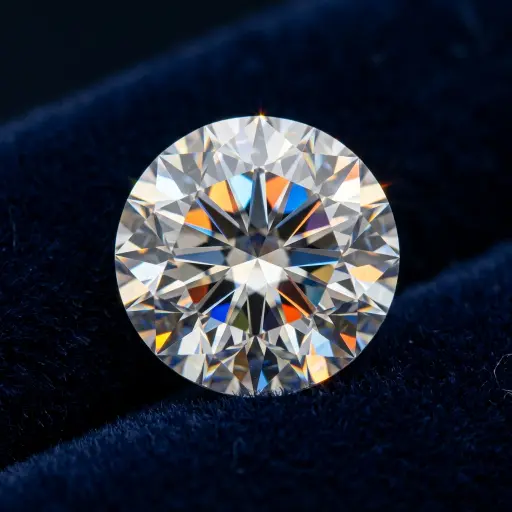
A diamond is more than just a precious gemstone. Depending on the context, the word can describe a sparkling jewel, a person of exceptional quality, a baseball-shaped figure, or even a playing-card suit. That is why finding the right synonyms for diamond is not always as simple as replacing one word with another. The best alternative depends on what you actually mean. This guide explains the differences clearly so you can choose a word that fits your sentence, audience, and tone.
Quick Answer:
The closest synonyms for diamond include gemstone, jewel, precious stone, brilliant, gem, solitaire, and sparkler. However, these words are not always exact replacements. Gemstone is broader, brilliant can refer specifically to a cut, and solitaire describes a single prominent gemstone in jewelry. For figurative or casual writing, ice or sparkler may work.
Quick List of Synonyms for Diamond:
Closest and Most Useful Alternatives
- Gem
- Gemstone
- Jewel
- Precious stone
- Precious gem
- Brilliant
- Solitaire
- Sparkler
- Stone
- Diamond stone
- Cut diamond
- Polished gem
- Faceted gemstone
- Natural diamond
- Lab-grown diamond
- Rough diamond
- Diamond crystal
- Carbon crystal
- Crystal
- Adamas
- Ice
- Rock
- Rock crystal
- Treasure
- Ornament
- Adornment
- Bauble
- Glittering stone
- Precious jewel
- Rare gem
Some of these are true or near synonyms, while others are contextual alternatives. For example, gemstone includes many stones besides diamonds, while solitaire describes a jewelry setting rather than the diamond itself.
Formal Alternatives to Diamond:
Gemstone
Meaning: A naturally occurring or synthetic stone valued for beauty, rarity, or use in jewelry.
Explanation: Gemstone is a broader term than diamond. Every diamond used as a gem can be called a gemstone, but not every gemstone is a diamond.
Example: The necklace features a high-quality diamond gemstone.
Best Use: Jewelry descriptions, educational writing, and professional content.
Worst Use: Avoid it when you need to specify that the stone is definitely a diamond.
Tone: Formal and neutral.
Precious Stone
Meaning: A valuable gemstone prized for beauty, rarity, or durability.
Explanation: Diamonds are traditionally classified among precious stones. The phrase can also refer to other highly valued gems.
Example: The ring contains a carefully selected precious stone.
Best Use: Formal jewelry descriptions and general discussions of valuable gems.
Worst Use: Avoid it when exact gem identification matters.
Tone: Formal and polished.
Precious Gem
Meaning: A valuable and attractive gemstone.
Explanation: This phrase emphasizes the value of the stone rather than identifying its mineral type.
Example: The jeweler displayed the precious gem under bright lights.
Best Use: Luxury writing and descriptive prose.
Worst Use: Avoid it in technical mineral descriptions where precision is required.
Tone: Formal and elegant.
Jewel
Meaning: A valuable gemstone or an ornament containing one.
Explanation: Jewel is a useful alternative, but it can refer either to the gemstone itself or a finished piece of jewelry.
Example: The diamond was the centerpiece of the jewel.
Best Use: Jewelry marketing, literature, and elegant descriptions.
Worst Use: Avoid it when the distinction between a stone and a jewelry item matters.
Tone: Elegant and formal.
Brilliant
Meaning: A diamond or other gemstone with a brilliant-style cut; it can also describe exceptional brightness.
Explanation: In jewelry terminology, brilliant may refer to a specific style of faceting rather than simply meaning diamond.
Example: The jeweler recommended a round brilliant for the engagement ring.
Best Use: Jewelry discussions and gem-related writing.
Worst Use: Do not use brilliant as a universal synonym for every diamond.
Tone: Technical and sophisticated.
Solitaire
Meaning: A jewelry piece featuring one prominent gemstone, often a diamond.
Explanation: A solitaire is not technically a synonym for diamond. It describes the design or setting.
Example: She chose a classic diamond solitaire for her engagement ring.
Best Use: Jewelry descriptions.
Worst Use: Do not use solitaire when you mean the gemstone alone.
Tone: Formal and jewelry-specific.
Faceted Gemstone
Meaning: A gemstone cut with multiple flat surfaces called facets.
Explanation: Most polished diamonds used in jewelry are faceted, but the phrase describes the form rather than the mineral.
Example: The faceted gemstone reflected light from every angle.
Best Use: Educational and technical jewelry writing.
Worst Use: Avoid using it as an exact replacement for diamond.
Tone: Technical and formal.
Diamond Crystal
Meaning: A crystalline form of diamond.
Explanation: This term focuses on diamond’s crystal structure and is especially useful in scientific or educational contexts.
Example: Researchers examined the structure of the diamond crystal.
Best Use: Science, geology, mineralogy, and education.
Worst Use: It may sound overly technical in everyday conversation.
Tone: Scientific.
Carbon Crystal
Meaning: A crystal made of carbon atoms arranged in a diamond structure.
Explanation: Diamond is a crystalline form of carbon, so this phrase can describe it scientifically, although it is not a normal everyday synonym.
Example: The laboratory analyzed the carbon crystal under controlled conditions.
Best Use: Scientific explanations.
Worst Use: Avoid it in ordinary jewelry descriptions.
Tone: Highly technical.
Adamas
Meaning: A historical term associated with something unconquerable or exceptionally hard and linked to the ancient naming history of diamond.
Explanation: Adamas is an archaic or historical term rather than a modern everyday synonym.
Example: Ancient writers used terms related to adamas when describing an exceptionally hard substance.
Best Use: Historical, literary, or etymological writing.
Worst Use: Avoid it in modern customer-facing writing unless the historical style is intentional.
Tone: Archaic and literary.
Semi-Formal and Neutral Alternatives:
Gem
Meaning: A precious or semiprecious stone valued for its appearance.
Explanation: Gem is one of the most natural alternatives, but it is broader than diamond.
Example: The jeweler inspected the gem under a magnifying lens.
Best Use: Everyday writing, jewelry content, and general descriptions.
Worst Use: Avoid it when the exact identity of the stone is important.
Tone: Neutral.
Stone
Meaning: A gemstone or mineral used in jewelry.
Explanation: Stone is common in jewelry language, especially when the surrounding context already makes the type obvious.
Example: The ring features a large center stone.
Best Use: Jewelry conversations and product descriptions.
Worst Use: It is too vague when no context identifies the stone.
Tone: Neutral.
Polished Gem
Meaning: A gemstone that has been cut and polished for appearance.
Explanation: This phrase emphasizes the finished appearance rather than the mineral itself.
Example: The polished gem caught the light beautifully.
Best Use: Descriptive writing.
Worst Use: Avoid it when you need to identify the stone as a diamond.
Tone: Neutral and descriptive.
Cut Gemstone
Meaning: A gemstone shaped and faceted for jewelry or display.
Explanation: Diamonds can be cut gemstones, but so can rubies, sapphires, emeralds, and other stones.
Example: The cut gemstone was carefully mounted in platinum.
Best Use: Jewelry education and product descriptions.
Worst Use: Too broad for exact identification.
Tone: Professional.
Rare Gem
Meaning: A gemstone considered uncommon or valuable.
Explanation: A diamond may be a rare gem, but the phrase does not specifically identify it as a diamond.
Example: The museum displayed the rare gem in a secure case.
Best Use: Marketing and descriptive writing.
Worst Use: Avoid it when factual precision is required.
Tone: Elegant.
Precious Jewel
Meaning: A valuable gemstone or jewelry item.
Explanation: This expression emphasizes beauty and value.
Example: The necklace was designed around a precious jewel.
Best Use: Luxury and creative writing.
Worst Use: It can sound overly decorative in technical writing.
Tone: Elegant.
Ornament
Meaning: An object used for decoration.
Explanation: A diamond can form part of an ornament, but ornament is much broader.
Example: The diamond served as a decorative ornament on the crown.
Best Use: Historical, artistic, or descriptive contexts.
Worst Use: It does not identify the material.
Tone: Formal.
Adornment
Meaning: Something used to decorate or enhance appearance.
Explanation: A diamond can be an adornment, but the word describes its function rather than its identity.
Example: The diamond was worn as a luxurious adornment.
Best Use: Fashion, literature, and formal descriptions.
Worst Use: Not suitable when you specifically mean the gemstone.
Tone: Formal and literary.
Treasure
Meaning: Something highly valuable or cherished.
Explanation: A diamond may be described as a treasure metaphorically.
Example: The heirloom diamond was treated as a family treasure.
Best Use: Emotional and storytelling contexts.
Worst Use: Avoid it as a literal gem classification.
Tone: Warm and figurative.
Crystal
Meaning: A solid material with an organized internal atomic structure.
Explanation: Diamond is crystalline, but crystal is much broader and includes many minerals.
Example: The diamond’s crystal structure makes it exceptionally hard.
Best Use: Scientific or educational writing.
Worst Use: It is too broad as a direct replacement.
Tone: Neutral to technical.
Informal and Casual Alternatives:
Ice
Meaning: Slang for diamonds or diamond jewelry.
Example: He showed off his new ice at the party.
When It Sounds Natural: Casual conversation, music-inspired language, fashion writing, and slang-heavy contexts.
When to Avoid It: Academic writing, formal business documents, and professional jewelry appraisals.
Tone: Very casual and stylish.
Sparkler
Meaning: Something that sparkles; informally, a diamond or diamond ring.
Example: She wore a beautiful sparkler on her left hand.
When It Sounds Natural: Casual conversations and creative descriptions.
When to Avoid It: Technical gemology or formal documentation.
Tone: Playful and informal.
Rock
Meaning: Slang for a gemstone, especially a large diamond.
Example: That engagement ring has one impressive rock.
When It Sounds Natural: Informal conversation and popular culture.
When to Avoid It: Formal jewelry writing and scientific contexts.
Tone: Casual.
Bauble
Meaning: A decorative piece of jewelry or ornament.
Example: The vintage shop was full of glittering baubles.
When It Sounds Natural: Playful or slightly humorous writing.
When to Avoid It: High-end jewelry descriptions because it can make an expensive diamond sound trivial.
Tone: Casual, playful, sometimes dismissive.
Bling
Meaning: Flashy jewelry or accessories designed to attract attention.
Example: His outfit included plenty of gold and diamond bling.
When It Sounds Natural: Informal fashion and pop-culture writing.
When to Avoid It: Formal jewelry appraisals or academic writing.
Tone: Very casual.
True Synonyms vs. Contextual Alternatives:
Not every word associated with diamond can replace it directly. Understanding this distinction prevents awkward or inaccurate writing.
| Type | What It Means | Can It Replace the Original? |
|---|---|---|
| True synonym | Has essentially the same meaning | Sometimes, depending on context |
| Near synonym | Has a very similar meaning but broader or narrower scope | Usually, with care |
| Contextual alternative | Works in a particular situation | Only in that context |
| Broader expression | Includes diamonds and other things | Yes, when general meaning is acceptable |
| Narrower expression | Describes a specific type or form of diamond | Only when that specific meaning is intended |
For example, gem is a near synonym because it includes many gemstones. Brilliant is contextual because it can describe a particular diamond cut. Ice is an informal slang term. Solitaire is a jewelry-design term rather than a synonym for the stone itself.
Industry-Specific Usage:
Business Writing
Business writing should favor precise and neutral terms. Diamond, gemstone, precious stone, and jewel are generally safer choices.
Example:
The company specializes in ethically sourced diamond and gemstone jewelry.
Avoid slang such as ice or bling unless the brand deliberately uses a casual voice.
Corporate Communication
Corporate communication benefits from clarity. If a company discusses diamonds, use the exact term needed rather than decorative substitutes.
Example:
Our latest collection features responsibly sourced diamonds and other precious gemstones.
Words such as treasure may work in promotional copy but are less useful in reports and internal documents.
Academic Writing
Academic writing should normally use diamond when discussing the mineral specifically.
Terms such as carbon crystal, crystalline carbon, or diamond crystal may be appropriate when discussing chemistry, geology, or material science.
Example:
Diamond is a crystalline form of carbon with a distinctive atomic structure.
Do not replace diamond with poetic terms such as sparkler in academic work.
Customer Service
Customer service language should be clear and familiar.
Example:
Your ring contains a natural diamond surrounded by smaller gemstones.
Gemstone can be useful when discussing several types of stones, but use diamond when the customer’s question specifically concerns a diamond.
Legal Writing
Legal and contractual writing requires precision. If a document refers specifically to a diamond, changing the word to gemstone could broaden the meaning.
For example:
Diamond: specifically identifies the material.
Gemstone: may include diamonds, sapphires, rubies, emeralds, and other stones.
For contracts, insurance documents, appraisals, or ownership records, the original technical term may be preferable.
Email Communication
Professional emails should usually use diamond, gemstone, jewel, or precious stone depending on the intended meaning.
Avoid slang unless the recipient and purpose make it appropriate.
Email Examples:
Client Jewelry Inquiry
Subject: Diamond Selection for Your Ring
Dear Sarah,
Thank you for sharing your preferences for the engagement ring. Based on the design you selected, I recommend a round brilliant diamond with a balanced cut and excellent light performance.
I can send you several options with their individual specifications and prices.
Best,
James
Product Update
Subject: New Gemstone Collection
Hello Team,
Our new collection includes several gemstone designs, with diamonds serving as the center stones in the majority of the pieces.
Please review the updated product descriptions before Friday.
Best,
Megan
Customer Service Response
Subject: Your Jewelry Question
Dear Mr. Patel,
Thank you for contacting us. The center stone in your ring is a natural diamond, while the smaller surrounding stones are sapphires.
Please let us know if you would like a detailed specification sheet.
Kind regards,
Customer Care Team
Vendor Communication
Subject: Precious Stone Specifications
Hello Daniel,
Could you please confirm the specifications for the precious stones included in the latest shipment?
We particularly need the grading information for the diamonds before the inventory is finalized.
Thank you,
Rachel
Academic Communication
Subject: Question About Diamond Structure
Dear Professor Lee,
I am reviewing the material on crystal structures and would like to clarify one point about diamond’s carbon lattice.
Could you recommend an introductory resource that explains the structure in greater detail?
Best regards,
Michael
Short Dialogue Examples:
Workplace
Person A: What should we call the center stone in the product description?
Person B: If it is specifically a diamond, I would use “diamond.” It is more precise than “gem.”
Classroom
Person A: Can I call diamond a gemstone?
Person B: Yes, because diamond is a type of gemstone. Just remember that “gemstone” is a broader term.
Customer Service
Person A: Is the large stone a jewel?
Person B: Yes, but “diamond” is more precise if you want to identify the actual stone.
Casual Conversation
Person A: Did you see her new ring?
Person B: Yes. That is one serious rock!
Professional Discussion
Person A: Can we describe it as a brilliant?
Person B: Only if the terminology matches the diamond’s cut. I would use “diamond” if we are simply identifying the stone.
How to Replace “Diamond” in a Sentence:
Example 1
Original:
She bought a beautiful diamond for her engagement ring.
Alternative:
She bought a beautiful gemstone for her engagement ring.
Why it works:
Gemstone works when the exact stone is not important, but it loses the specific meaning of diamond.
Example 2
Original:
The diamond sparkled under the lights.
Alternative:
The jewel sparkled under the lights.
Why it works:
Jewel sounds elegant, although it could refer to a broader piece of jewelry.
Example 3
Original:
The jeweler inspected the diamond carefully.
Alternative:
The jeweler inspected the precious stone carefully.
Why it works:
Precious stone sounds formal but is less specific.
Example 4
Original:
She wore a diamond necklace.
Alternative:
She wore a jewel-encrusted necklace.
Why it works:
The alternative changes the meaning slightly. It suggests multiple decorative stones rather than one specific diamond.
Example 5
Original:
He showed me his new diamond ring.
Alternative:
He showed me his new ice.
Why it works:
Ice is slang and creates a very casual tone. It would not fit formal writing.
Example 6
Original:
The diamond was the centerpiece of the collection.
Alternative:
The gemstone was the centerpiece of the collection.
Why it works:
This works if the exact type of stone is not central to the message.
Example 7
Original:
The diamond was mounted in platinum.
Alternative:
The precious gem was mounted in platinum.
Why it works:
The alternative sounds polished but becomes less technically precise.
Example 8
Original:
She chose a single diamond for her engagement ring.
Alternative:
She chose a solitaire for her engagement ring.
Why it works:
This changes the meaning. Solitaire describes a ring or jewelry design featuring one main stone, not the diamond itself.
Comparison Table:
| Phrase | Tone | Meaning / Scope | Best Use | Example |
|---|---|---|---|---|
| Diamond | Neutral | Specific gemstone | All contexts | The diamond is natural. |
| Gemstone | Neutral | Broad category | General jewelry writing | The gemstone is beautiful. |
| Gem | Neutral | Broad precious stone term | Everyday writing | The gem caught the light. |
| Jewel | Elegant | Gem or jewelry item | Luxury writing | The jewel was stunning. |
| Precious stone | Formal | Valuable gemstone | Professional writing | The precious stone was inspected. |
| Brilliant | Technical | Specific cut/style in jewelry use | Jewelry writing | She chose a brilliant cut. |
| Solitaire | Technical | Single-stone jewelry design | Jewelry descriptions | She selected a diamond solitaire. |
| Sparkler | Casual | Informal diamond reference | Creative writing | She wore a new sparkler. |
| Ice | Slang | Diamond or diamond jewelry | Casual language | His ice was impossible to miss. |
| Rock | Slang | Large gemstone, often diamond | Conversation | That is a huge rock. |
| Bling | Casual | Flashy jewelry | Fashion/pop culture | Her outfit had plenty of bling. |
| Crystal | Technical | Broad crystalline material | Science | Diamond has a crystal structure. |
| Adornment | Formal | Decorative object | Literary writing | The diamond was an adornment. |
| Treasure | Figurative | Valuable or cherished object | Storytelling | The ring was a family treasure. |
Which Alternative Should You Choose?
For Formal Writing
Choose precious stone, gemstone, jewel, or simply diamond, depending on how precise you need to be.
For Business Communication
Use diamond when discussing a specific stone and gemstone when discussing several types of stones.
For Academic Writing
Use diamond for the mineral. Use technical terms such as diamond crystal or crystalline carbon only when they accurately describe the scientific subject.
For Legal Writing
Use diamond when the material needs to be specifically identified. Avoid broader terms such as gemstone if they could create ambiguity.
For Professional Emails
Diamond and gemstone are usually the safest choices. They are clear and professional.
For Everyday Conversation
Gem, jewel, or stone can sound natural when context is clear.
For Casual Messages
Rock, ice, sparkler, and bling can work when the tone is playful or informal.
Grammar and Usage Guide:
Diamond as a Countable Noun
When referring to an individual stone, diamond is normally countable.
Correct:
She bought a diamond.
Correct:
The jeweler examined three diamonds.
Diamond as an Uncountable Material Term
Diamond can also describe the material or substance in a general sense.
Example:
Diamond is one of the hardest naturally occurring materials.
Here, the word refers to the substance rather than an individual gemstone.
Plural Form
The normal plural is diamonds.
Example:
The necklace contains several small diamonds.
Do not use diamondes or another altered form.
Capitalization
The word diamond is normally lowercase.
Correct:
She received a diamond ring.
Capitalize it only when it appears in a proper name or title that requires capitalization.
Common Combinations
Natural word combinations include:
- Diamond ring
- Diamond necklace
- Diamond earrings
- Diamond jewelry
- Diamond engagement ring
- Diamond gemstone
- Diamond cut
- Diamond clarity
- Diamond grading
- Diamond mine
- Natural diamond
- Lab-grown diamond
- Rough diamond
- Polished diamond
Diamond vs. Gemstone
Diamond identifies a specific type of gemstone.
Gemstone describes a wider category.
So you can write:
A diamond is a gemstone.
But you cannot assume:
Every gemstone is a diamond.
That distinction is one of the most important points to remember when choosing synonyms.
Common Mistakes to Avoid:
Treating “Gemstone” as an Exact Synonym
Gemstone is broader than diamond. Use it only when that broader meaning is acceptable.
Using “Brilliant” for Every Diamond
Brilliant has a more specific jewelry meaning and should not automatically replace diamond.
Calling a Diamond “Solitaire”
A solitaire generally describes a jewelry design with one prominent stone. It is not simply another name for diamond.
Using Slang in Formal Writing
Words such as ice, rock, and bling may sound inappropriate in academic, legal, or corporate writing.
Making the Meaning Too Vague
Replacing diamond with stone can remove important information.
Overusing Fancy Alternatives
Words such as precious jewel or sparkler can make ordinary writing sound overly decorative.
Ignoring the Audience
A phrase that works in a fashion caption may be inappropriate in a laboratory report.
Confusing the Stone With the Jewelry
Jewel, ornament, and solitaire can refer to the object or design rather than the diamond itself.
Choosing Style Over Accuracy
The most impressive-sounding word is not always the best word. Precision should come first.
When Not to Use “Diamond” Alternatives:
When Exact Identification Matters
If a document specifically concerns diamonds, use diamond rather than a broader term such as gemstone.
In Scientific Writing
Technical subjects usually benefit from precise terminology. Creative alternatives can introduce confusion.
In Legal Documents
A broader word may change the scope of a clause. Use the terminology defined by the document rather than casually substituting synonyms.
In Appraisals
An appraisal needs precise descriptions of the stone’s characteristics. Slang is inappropriate.
When the Audience May Misunderstand
If readers might interpret stone as referring to a ruby, sapphire, or another material, use diamond.
When Simplicity Is Better
Sometimes the best alternative is no alternative at all. If diamond is clear, accurate, and natural, changing it can make the sentence worse.
Advanced Writer Tips:
Tone Control
Use diamond for neutral and precise writing. Choose precious jewel for a more elegant style, or ice for a deliberately casual voice.
Professional Email Etiquette
Avoid decorative slang in professional messages. A client is more likely to appreciate “diamond” or “gemstone” than “ice” or “rock.”
Politeness
Word choice can influence how polished your message sounds. Neutral terms generally feel safer when you do not know the audience well.
Context Alignment
Always ask what the word is doing in the sentence. Is it naming a mineral, describing jewelry, creating imagery, or using slang? The answer determines the best alternative.
Precision
If you mean a diamond, say diamond. If you mean any valuable stone, say gemstone or precious stone. Do not sacrifice accuracy simply to avoid repetition.
Readability
Simple words are often strongest. In many sentences, gem or diamond is clearer than an elaborate phrase such as precious crystalline adornment.
Related Questions About Diamond Synonyms:
What Is Another Way to Say Diamond?
Common alternatives include gem, gemstone, jewel, precious stone, brilliant, sparkler, rock, and ice. However, these words have different levels of precision and formality. Gemstone is broader, while ice and rock are informal slang.
What Is a Professional Alternative to Diamond?
For professional writing, gemstone, precious stone, and jewel can work depending on context. However, if you are specifically identifying the mineral, diamond is usually the most professional and accurate choice.
What Is a Formal Alternative to Diamond?
Precious stone, precious gem, and jewel can provide a more formal or elegant tone. In technical writing, terms such as diamond crystal may be appropriate, but they should only be used when they match the intended meaning.
Is Diamond a Formal Word?
Yes. Diamond is a standard, neutral English word and works in casual, professional, academic, scientific, and formal contexts. You do not need a more sophisticated synonym simply because the writing is formal.
Can “Gemstone” Replace “Diamond”?
Sometimes. Gemstone is broader and can refer to diamonds as well as rubies, emeralds, sapphires, and other stones. Use it when the broader category is acceptable.
What Is the Difference Between a Diamond and a Gem?
A diamond is a specific mineral and gemstone. A gem is a broader term for a valuable or attractive stone. Therefore, diamonds can be gems, but gems are not necessarily diamonds.
What Is a Casual Word for Diamond?
Common casual or slang expressions include rock, ice, sparkler, and, in some contexts, bling. These are suitable for informal conversation, creative writing, fashion content, and pop-culture language rather than formal documents.
FAQs:
Is “gem” a synonym for diamond?
Yes, but it is a broad synonym rather than a precise one. A diamond can be called a gem, but gem can also refer to many other precious and semiprecious stones. Use it when the exact identity of the stone is not the main focus.
What is the best synonym for diamond?
There is no single best synonym for every situation. Gemstone is a useful broad alternative, while jewel works well in elegant writing. If accuracy matters, simply using diamond is usually the strongest choice.
Is “precious stone” the same as diamond?
Not exactly. A diamond is a type of precious stone, but the term can include other valuable gemstones. It is therefore a broader expression rather than a perfect synonym.
Can I use “brilliant” instead of diamond?
Only in suitable jewelry contexts. Brilliant can refer to a particular cutting style, especially the brilliant cut. It should not automatically be used as a replacement for every diamond.
Is “rock” a synonym for diamond?
Rock is an informal slang term that can refer to a large gemstone, especially a diamond. It is natural in casual speech but unsuitable for technical, academic, legal, or formal professional writing.
What is the slang word for diamond?
Popular slang includes ice, rock, and sometimes sparkler. The exact expression depends on the speaker, audience, and style. These words should not be used when technical accuracy is required.
Should I use synonyms for diamond to avoid repetition?
Yes, but only when the alternative preserves the intended meaning. Replacing every occurrence of diamond with a different word can make writing less accurate. Strategic variation is better than forced synonym use.
Key Takeaways:
- Diamond is already a clear, neutral, and professional word, so it often remains the best choice.
- Gemstone and gem are broader terms that can include diamonds and other stones.
- Jewel and precious stone create a more elegant or formal tone but may be less specific.
- Ice, rock, sparkler, and bling are casual alternatives and should be used selectively.
- Always match the alternative to the meaning, audience, tone, and context rather than changing words simply to avoid repetition.
Conclusion:
Choosing the right synonym for diamond depends on what you want your sentence to communicate. If you need accuracy, diamond is usually the strongest choice.
If you are speaking more generally, gemstone or gem can work. For elegant descriptions, jewel and precious stone add a polished touch, while sparkler, rock, and ice can create a casual or playful voice.
The key is to remember that these alternatives are not interchangeable in every situation. A gemstone is a broader category, a brilliant can describe a cut, and a solitaire describes a jewelry design. Likewise, slang terms may sound natural in conversation but unsuitable in academic or professional writing.
Good word choice is not about finding the fanciest replacement. It is about choosing the word that communicates your exact meaning naturally. When you understand the differences between these alternatives, you can make your jewelry descriptions, essays, emails, product pages, and creative writing much clearer and more effective.