
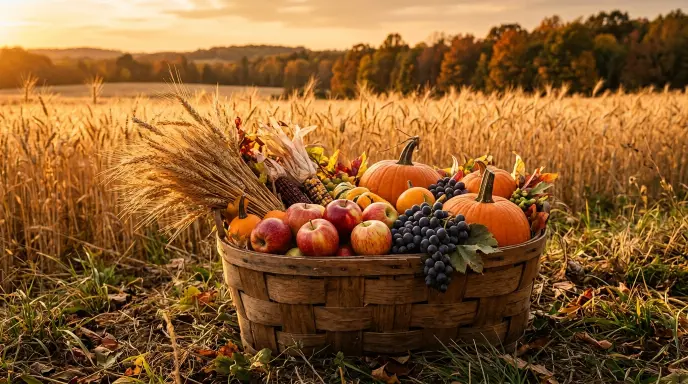
The word harvest has several meanings, so the best synonym depends on how you are using it. As a verb, harvest can mean to gather crops, collect a resource, or obtain something valuable. As a noun, it can mean the act of gathering crops, the season when crops are collected, or the amount produced. Common alternatives include reap, gather, collect, pick, crop, yield, gathering, and produce, but these words are not always interchangeable.
People look for synonyms for harvest to avoid repetition, make writing more precise, or choose a word that better fits a particular situation. A farmer may gather a crop, a researcher may collect data, a company may garner results, and a winemaker may pick grapes. This guide explains the differences between these alternatives so you can choose wording that sounds natural in academic writing, business communication, everyday speech, and creative writing.
Quick Answer
The closest synonyms for harvest include reap, gather, collect, pick, crop, yield, gathering, and reap the rewards. However, the best alternative depends on meaning. Reap often suggests receiving a result, gather focuses on bringing things together, and yield usually describes the amount produced rather than the act of collecting.
Quick List: Synonyms for Harvest

Closest Alternatives
- Reap
- Gather
- Collect
- Pick
- Gathering
- Crop
- Yield
- Gather in
- Bring in
- Take in
Formal or Professional Alternatives
- Accumulate
- Obtain
- Acquire
- Garner
- Procure
- Retrieve
- Collect
- Generate
- Realize
- Secure
Agricultural Alternatives
- Reap
- Gather
- Pick
- Bring in
- Collect
- Crop
- Yield
- Produce
- Gathering
- Reaping
Contextual Alternatives
- Results
- Output
- Production
- Return
- Gain
- Reward
- Proceeds
- Resources
- Data collection
- Extraction
Casual Alternatives
- Pick
- Gather up
- Bring in
- Collect
- Take in
Formal Alternatives to Harvest

1. Reap
Meaning: To cut and collect a crop, or to receive a result from something.
Explanation: Reap is one of the closest traditional synonyms for harvest. It works especially well with crops, but it can also be figurative, as in reap the benefits.
Example: Farmers will reap the wheat in late summer.
Best Use: Agricultural writing and figurative expressions about receiving results.
Worst Use: Technical contexts where collect or extract is more precise.
Tone: Formal, traditional, and sometimes literary.
2. Gather
Meaning: To bring things together into one place.
Explanation: Gather is a close alternative when harvest means collecting crops. It is broader than harvest because you can gather many things that are not agricultural.
Example: Workers gathered the apples before the rain arrived.
Best Use: Farming, everyday writing, and descriptive prose.
Worst Use: Situations where the technical method of collection matters.
Tone: Neutral and natural.
3. Collect
Meaning: To bring together items, information, resources, or materials.
Explanation: Collect is broader and more practical than harvest. It is particularly useful when discussing data, samples, payments, or other non-agricultural resources.
Example: Researchers collected soil samples from several fields.
Best Use: Academic, scientific, business, and technical writing.
Worst Use: A traditional farming passage where harvest sounds more natural.
Tone: Neutral and professional.
4. Garner
Meaning: To obtain or accumulate something, especially support, attention, praise, or approval.
Explanation: Garner is not a direct synonym for agricultural harvest. It works figuratively when something valuable is accumulated.
Example: The campaign garnered widespread public support.
Best Use: Business, journalism, and formal writing.
Worst Use: Describing farmers physically collecting crops.
Tone: Formal and polished.
5. Accumulate
Meaning: To gradually gather or build up an amount of something.
Explanation: Accumulate emphasizes gradual growth rather than the seasonal act of harvesting.
Example: The company accumulated valuable customer data over several years.
Best Use: Business, finance, research, and analytical writing.
Worst Use: Simple descriptions of picking fruit.
Tone: Formal and analytical.
6. Acquire
Meaning: To obtain or gain possession of something.
Explanation: Acquire can replace harvest when the focus is on obtaining a resource rather than physically collecting it.
Example: The organization acquired valuable information from the survey.
Best Use: Professional, academic, and business writing.
Worst Use: Simple agricultural descriptions.
Tone: Formal and professional.
7. Procure
Meaning: To obtain something, often through deliberate effort or a formal process.
Explanation: Procure is more formal than harvest and is generally used for supplies, materials, or services.
Example: The company procured raw materials from local suppliers.
Best Use: Business, government, purchasing, and formal documents.
Worst Use: Everyday conversation about crops.
Tone: Highly formal.
8. Obtain
Meaning: To get or receive something.
Explanation: Obtain can replace harvest when the important idea is acquiring a result or resource.
Example: Scientists obtained useful results from the experiment.
Best Use: Academic and professional writing.
Worst Use: Descriptions where physical gathering is central.
Tone: Formal and neutral.
9. Generate
Meaning: To produce or create something.
Explanation: Generate differs from harvest because it focuses on production rather than collection.
Example: The new system generated a large amount of useful data.
Best Use: Technology, business, energy, and research.
Worst Use: Picking crops from a field.
Tone: Professional and technical.
10. Realize
Meaning: To obtain or achieve a benefit, profit, or return.
Explanation: Realize can describe receiving a financial or practical result, but it cannot normally replace agricultural harvest.
Example: The company realized significant gains from the investment.
Best Use: Finance and business writing.
Worst Use: Farming contexts.
Tone: Formal and businesslike.
Semi-Formal and Neutral Alternatives

11. Pick
Meaning: To remove fruit, vegetables, or other items by hand.
Explanation: Pick is narrower than harvest. It describes one common method of collecting crops.
Example: We picked strawberries early in the morning.
Best Use: Fruit, vegetables, gardens, and everyday conversation.
Worst Use: Describing an entire agricultural production process.
Tone: Casual to neutral.
12. Bring In
Meaning: To collect and bring a crop from the field or growing area.
Explanation: Bring in is a natural agricultural expression. It often refers to completing a harvest.
Example: The farmers brought in the corn before the storm.
Best Use: Farming and conversational writing.
Worst Use: Highly technical reports.
Tone: Conversational and natural.
13. Gather In
Meaning: To collect something, especially a crop.
Explanation: Gather in is closely related to harvest and often emphasizes bringing a crop together after it has matured.
Example: Workers gathered in the remaining vegetables.
Best Use: Agricultural and descriptive writing.
Worst Use: Scientific writing where collect is more precise.
Tone: Neutral.
14. Produce
Meaning: The amount of something made, grown, or created.
Explanation: As a noun, produce can refer to farm goods. As a verb, it means to create or grow something. It does not specifically mean the act of harvesting.
Example: The farm produces fresh vegetables throughout the year.
Best Use: Agriculture, food, business, and manufacturing.
Worst Use: When you specifically mean collecting mature crops.
Tone: Neutral and professional.
15. Yield
Meaning: The amount produced by a crop, investment, process, or activity.
Explanation: Yield is usually about the result or quantity, not the physical act of harvesting.
Example: The wheat field produced a high yield this year.
Best Use: Agriculture, finance, science, and technical writing.
Worst Use: As a direct substitute for harvest when describing workers collecting crops.
Tone: Neutral to technical.
16. Crop
Meaning: A plant grown for food or another useful purpose; also the amount produced.
Explanation: Crop is related to harvest but is not an exact synonym. A crop exists before it is harvested.
Example: The farmers protected their crop from pests.
Best Use: Agricultural writing.
Worst Use: When you mean the action of collecting the crop.
Tone: Neutral.
17. Gathering
Meaning: The act of bringing things together.
Explanation: Gathering is the noun form of gather. It can describe collecting crops, food, materials, or people.
Example: The annual apple gathering begins in September.
Best Use: Descriptive, agricultural, and general writing.
Worst Use: Technical contexts requiring a specific agricultural term.
Tone: Neutral.
18. Collection
Meaning: The act or process of collecting something.
Explanation: Collection works when harvest refers to the process of obtaining items or resources.
Example: The collection of samples continued throughout the week.
Best Use: Academic, scientific, business, and technical writing.
Worst Use: Evocative agricultural prose where harvest carries seasonal meaning.
Tone: Neutral and professional.
19. Output
Meaning: The amount produced by a person, machine, farm, or system.
Explanation: Output focuses on what is produced, not necessarily what is collected.
Example: The farm increased its annual wheat output.
Best Use: Business, economics, manufacturing, and agriculture.
Worst Use: Describing the physical process of cutting crops.
Tone: Professional and technical.
20. Production
Meaning: The process or amount of producing something.
Explanation: Production is broader than harvest. It includes planting, growing, processing, and other stages rather than only collection.
Example: The region increased its annual rice production.
Best Use: Reports, academic writing, economics, and business.
Worst Use: When you specifically mean gathering mature crops.
Tone: Formal and neutral.
Informal and Casual Alternatives
Natural casual alternatives for harvest are limited because the word itself is already common and understandable.
21. Pick
Example: We picked all the ripe tomatoes yesterday.
When natural: Talking about fruit, vegetables, or garden work.
Avoid when: Discussing an entire farming operation or formal agricultural process.
Tone: Casual and friendly.
22. Gather Up
Example: Let’s gather up the pumpkins before it gets dark.
When natural: Everyday conversation involving physical collection.
Avoid when: Writing an academic or technical report.
Tone: Informal.
23. Bring In
Example: We need to bring in the apples before the weather changes.
When natural: Talking casually about collecting crops.
Avoid when: Precision is required.
Tone: Conversational.
24. Collect
Example: We collected the vegetables from the garden.
When natural: Everyday speech and simple explanations.
Avoid when: You want to emphasize the seasonal or agricultural significance of the event.
Tone: Neutral and accessible.
25. Take In
Example: The farmers took in the last of the crop before the storm.
When natural: Informal agricultural conversation.
Avoid when: The exact meaning could be unclear without context.
Tone: Casual.
True Synonyms vs. Contextual Alternatives
Not every word connected with harvest can replace it directly. Understanding the difference prevents awkward or misleading writing.
| Type | What It Means | Can It Replace the Original? |
|---|---|---|
| True synonym | Has nearly the same core meaning | Usually, depending on context |
| Near synonym | Shares much of the meaning but has a slight difference | Sometimes |
| Contextual alternative | Works only in a particular situation | Only in that context |
| Broader expression | Covers a larger concept | Sometimes, but meaning becomes less specific |
| Narrower expression | Describes only one part or method | Only when that specific meaning is intended |
For example, reap can closely replace harvest when discussing crops. Pick is narrower because you can pick fruit without describing the complete harvest. Yield is different because it describes the amount produced. Production is broader because it can include the entire process of growing or making something.
Agricultural Usage
Agriculture is the most direct context for harvest. Here, the word can function as both a noun and a verb.
As a noun:
- The harvest was larger than expected.
- Farmers celebrated the wheat harvest.
- The fall harvest begins next month.
As a verb:
- Farmers harvest wheat in the summer.
- Workers harvested the apples by hand.
- The machine harvests corn efficiently.
Useful agricultural alternatives include reap, gather, pick, bring in, gather in, collect, crop, yield, and produce.
However, these words describe different parts of the process. A farmer may grow a crop, tend it, pick individual fruits, harvest the mature crop, and then measure its yield.
Business Writing
In business writing, harvest is often used figuratively. Companies may talk about harvesting data, harvesting leads, or harvesting value.
For formal business communication, alternatives such as collect, obtain, acquire, generate, accumulate, and capture may be more precise.
Example:
Instead of:
The company harvested customer data from the survey.
Consider:
The company collected customer data through the survey.
Collected is clearer because it directly describes the activity.
For financial results, realize, generate, secure, or obtain may work better.
The company realized a strong return on its investment.
Here, harvest would sound more metaphorical.
Corporate Communication
Corporate reports often benefit from replacing harvest with a more specific word.
- Harvest data → collect data
- Harvest insights → obtain insights
- Harvest benefits → realize benefits
- Harvest profits → generate or realize profits
- Harvest information → collect or obtain information
- Harvest results → achieve or obtain results
The goal is not to replace harvest automatically. Instead, choose the word that tells readers exactly what happened.
For example:
The project harvested several valuable insights.
This is understandable, but:
The project generated several valuable insights.
may sound more natural in a corporate report.
Academic Writing
Academic writing usually favors precision over colorful wording. Depending on the subject, collect, obtain, gather, generate, measure, record, or analyze may be better alternatives.
For example:
Less precise:
Researchers harvested information from participants.
More precise:
Researchers collected information from participants.
In a biological or agricultural paper, however, harvest may be the correct technical term:
Cells were harvested after 48 hours of incubation.
In this case, replacing harvested with collected could make the wording less technically specific.
Customer Service
Customer service writing rarely needs harvest unless the business operates in agriculture, technology, or a related field.
Instead of:
We harvested your feedback.
A customer-facing message might say:
We collected your feedback and shared it with our product team.
Likewise:
We gathered your comments during the survey.
These alternatives sound clearer and more natural to customers.
Email Communication
Professional emails benefit from choosing an alternative based on what is actually being collected or achieved.
Good choices include:
- Collect for information or feedback
- Gather for comments, documents, or input
- Obtain for formal results or information
- Secure for approval, funding, or agreements
- Generate for revenue, leads, or reports
- Realize for financial gains
- Reap for benefits or rewards
8 Realistic Email Examples
Email 1 — Customer Feedback
Subject: Customer Feedback Collection
Hi Sarah,
We have collected feedback from the latest customer survey and identified three common requests. I’ve attached a short summary for the product team.
Best,
Daniel
Why it works: Collected is straightforward and professional when discussing feedback.
Email 2 — Project Update
Subject: Project Results
Hi Mark,
The team has obtained the results from the second round of testing. The findings are encouraging, and we should have the complete report ready by Friday.
Best,
Emma
Why it works: Obtained gives the message a formal but natural tone.
Email 3 — Business Performance
Subject: Quarterly Performance Update
Hi James,
The new campaign generated more qualified leads than expected during the quarter. I’ve included the figures in the attached report.
Regards,
Olivia
Why it works: Generated is more precise than harvested for business results.
Email 4 — Funding
Subject: Funding Approval
Hi Robert,
I’m pleased to confirm that we secured the additional funding needed for the next phase of the project.
Thanks,
Michael
Why it works: Secured naturally describes obtaining funding.
Email 5 — Research
Subject: Survey Data
Hi Dr. Lee,
We gathered responses from all participants and are now preparing the data for analysis. I expect the first results to be available next week.
Best regards,
Nina
Why it works: Gathered is natural for survey responses.
Email 6 — Client Communication
Subject: Project Benefits
Hi Alex,
The new process is already helping the team realize significant time savings. We will provide a more detailed comparison in the next project update.
Best,
Chris
Why it works: Realize fits benefits and measurable gains.
Email 7 — Vendor Communication
Subject: Materials Received
Hello James,
We have received and inspected the materials from your latest shipment. Everything appears to be in good condition.
Regards,
Rachel
Why it works: Received is clearer than harvested for delivered materials.
Email 8 — Academic Communication
Subject: Research Data Collection
Dear Professor Adams,
We have collected the final survey responses and completed the initial data review. I will send the preliminary findings once the analysis is finished.
Sincerely,
Tom
Why it works: Collected is the standard choice for research data.
5 Short Dialogue Examples
Workplace
Person A: Did we harvest the customer feedback yet?
Person B: We collected it yesterday. I’m organizing the responses now.
Classroom
Person A: What happens after the crops mature?
Person B: Farmers harvest them, usually by hand or machine.
Customer Service
Person A: What do you do with the survey responses?
Person B: We gather them and use them to improve the service.
Casual Conversation
Person A: What did you do at the farm?
Person B: We picked apples all morning.
Professional Discussion
Person A: How did you get these figures?
Person B: We obtained them from the latest market report.
How to Replace “Harvest” in a Sentence
1. Agricultural
Original:
The farmers harvested the wheat in July.
Alternative:
The farmers reaped the wheat in July.
Why it works: Reaped is one of the closest agricultural alternatives, although it has a slightly more traditional tone.
2. Fruit
Original:
Workers harvested the apples by hand.
Alternative:
Workers picked the apples by hand.
Why it works: Picked describes the specific action used to remove the apples.
3. Data
Original:
The researchers harvested data from the survey.
Alternative:
The researchers collected data from the survey.
Why it works: Collected is much more natural for research data.
4. Feedback
Original:
The company harvested customer feedback.
Alternative:
The company gathered customer feedback.
Why it works: Gathered sounds natural and avoids an unnecessarily metaphorical expression.
5. Business Results
Original:
The campaign harvested valuable results.
Alternative:
The campaign generated valuable results.
Why it works: Generated focuses on producing results.
6. Benefits
Original:
The organization harvested the benefits of the new system.
Alternative:
The organization reaped the benefits of the new system.
Why it works: Reap the benefits is a well-established English expression.
7. Financial Gain
Original:
The investor harvested a significant return.
Alternative:
The investor realized a significant return.
Why it works: Realized is common in financial contexts and clearly refers to receiving a return.
8. Information
Original:
The team harvested information from interviews.
Alternative:
The team obtained information from interviews.
Why it works: Obtained is precise and suitable for professional or academic writing.
Comparison Table
| Phrase | Tone | Meaning / Scope | Best Use | Example |
|---|---|---|---|---|
| Harvest | Neutral | Gather mature crops or obtain something valuable | Agriculture and figurative writing | Farmers harvested corn. |
| Reap | Formal | Gather crops or receive a result | Agriculture and benefits | They reaped the wheat. |
| Gather | Neutral | Bring things together | Crops, information, feedback | We gathered the samples. |
| Collect | Neutral | Bring items or information together | Research, business, everyday use | We collected the data. |
| Pick | Casual | Remove individual items, especially fruit | Farming and gardening | We picked apples. |
| Garner | Formal | Obtain support, attention, or approval | Business and journalism | The plan garnered support. |
| Obtain | Formal | Get or receive something | Academic and professional writing | We obtained the results. |
| Procure | Highly formal | Obtain through effort or process | Purchasing and administration | They procured supplies. |
| Yield | Technical | Amount produced | Agriculture, finance, science | The field had a high yield. |
| Crop | Neutral | Agricultural plants or resulting amount | Farming | The crop was healthy. |
| Production | Formal | Process or amount of producing | Business and agriculture | Rice production increased. |
| Output | Technical | Amount produced | Business, manufacturing, agriculture | Farm output increased. |
| Generate | Professional | Produce or create | Business, technology, research | The system generated leads. |
| Accumulate | Formal | Build up gradually | Data, wealth, resources | They accumulated data. |
| Realize | Formal | Obtain a benefit or return | Finance and business | They realized a profit. |
Which Alternative Should You Choose?
formal writing: Use obtain, procure, acquire, accumulate, or garner, depending on the meaning.
business communication: Use collect, generate, secure, obtain, or realize for greater precision.
academic writing: Collect and obtain are usually strong choices for information, samples, and results.
legal writing: There is no universal legal synonym for harvest. Use the exact term that describes the action or resource involved. If a contract, regulation, or statute defines a particular term, changing it casually may alter its meaning.
professional email: Prefer simple verbs such as collect, gather, obtain, receive, generate, or secure.
everyday conversation: Pick, gather, collect, and bring in usually sound natural.
agricultural writing: Harvest, reap, gather, pick, and bring in are useful, but each describes a slightly different action.
Grammar and Usage Guide
Harvest as a Verb
Harvest is commonly used as a transitive verb, meaning it takes a direct object.
Farmers harvest wheat.
Workers harvested the grapes.
You can also use it figuratively:
The company harvested valuable insights.
Harvest as a Noun
As a noun, harvest can refer to the crop collected, the process of collecting it, or the season.
The harvest was excellent this year.
The grape harvest begins in September.
Farmers are preparing for the harvest.
Common Prepositions
is common when identifying what was produced or collected:
The harvest of wheat was unusually large.
Harvest from can identify the source:
The company harvested data from multiple surveys.
Harvest in can identify a place or period:
Farmers harvest rice in the fall.
Singular and Plural
Harvest is usually singular when referring to a particular season or crop collection:
The harvest was successful.
The plural harvests is possible when discussing multiple years, regions, or separate collection periods:
Several harvests were affected by drought.
Common Word Combinations
Natural combinations include:
- annual harvest
- fall harvest
- wheat harvest
- corn harvest
- grape harvest
- harvest season
- harvest time
- harvest crops
- harvest data
- harvest resources
- harvest results
- harvest the benefits
The exact combination should match the context. Harvest season is strongly agricultural, while harvest data is usually figurative or technical.
Common Mistakes to Avoid
1. Treating Every Alternative as an Exact Synonym
Yield and harvest are related but not identical. A yield is the amount produced; a harvest is the collection or the resulting crop.
2. Using “Pick” for an Entire Agricultural Process
Picking apples is one activity within harvesting. Harvest can describe a larger operation.
3. Using “Garner” for Physical Crops
You can garner support or attention, but saying that farmers garnered wheat sounds incorrect.
4. Using Overly Formal Vocabulary
Words such as procure can make simple writing unnecessarily stiff.
We procured apples.
sounds strange in ordinary conversation. We bought apples or we picked apples may be better.
5. Using Casual Language in Technical Writing
Pick may be perfectly natural in a conversation but too informal for some scientific or agricultural reports.
6. Changing the Meaning
Replacing harvest with produce changes the focus from collecting something to creating or growing it.
7. Ignoring Figurative Meaning
Reap works particularly well in expressions such as:
reap the rewards
reap the benefits
A literal synonym such as collect would not carry the same established meaning.
8. Replacing a Clear Word Just to Avoid Repetition
Sometimes harvest is already the best word. Forced synonym changes can make writing less natural.
When Not to Use “Harvest”
You may want another word when:
- The subject is information. Use collect or gather when that is more precise.
- The subject is a financial return. Use realize or generate where appropriate.
- You mean the amount produced. Use yield or output.
- You mean individual fruit or vegetables. Use pick if the physical action matters.
- You are discussing general production. Use production or produce.
- The audience needs plain language. A simple word such as collect may be clearer.
- The context is highly technical. Use the specific technical term rather than a broad metaphor.
Still, harvest is often the better choice when discussing agriculture, seasonal crop collection, or figurative rewards. It is vivid, familiar, and concise.
Advanced Writer Tips
Tone Control
Use harvest for a natural agricultural or slightly vivid tone. Choose collect for neutral language, obtain for formal writing, and pick for everyday conversation.
Professional Email Etiquette
Professional writing usually benefits from direct language. Instead of saying a team harvested information, say it collected information. The second version is clearer and less metaphorical.
Politeness
The synonym itself rarely determines politeness. The surrounding sentence matters more. A clear request such as Could you please provide the collected data? sounds more courteous than simply replacing words with formal vocabulary.
Context Alignment
Think about what is actually happening. Are you collecting, producing, receiving, accumulating, or achieving something? Select the verb that describes the action most accurately.
Precision
Ask whether your sentence refers to the action, result, amount, or season.
- Action → harvest, gather, collect
- Individual items → pick
- Amount produced → yield, output
- General growing or making → production
- Financial result → return, gain, realized profit
Readability
Do not choose a complicated synonym simply because it sounds sophisticated. Collect is often clearer than procure, and pick is often better than harvest when describing fruit picked by hand.
Related Questions About Harvest Synonyms
What is another way to say harvest?
Depending on the context, you can say reap, gather, collect, pick, bring in, gather in, or obtain. For agriculture, reap and gather are especially close. For data or information, collect is usually more natural.
What is a professional alternative to harvest?
Collect, obtain, acquire, generate, accumulate, and secure are useful professional alternatives. The best choice depends on what is being obtained. For example, a company collects data, generates leads, and secures funding.
What is a formal alternative to harvest?
Reap, obtain, acquire, accumulate, garner, and procure can provide a more formal tone. However, not all of them preserve the original meaning, so the context should determine the choice.
What can I use instead of harvest in academic writing?
Use collect for data or samples, obtain for results or information, and gather for responses or evidence. In agricultural or biological research, harvest may remain the most accurate technical term.
Is harvest a formal word?
Harvest is neither strongly formal nor informal. It is a standard English word that works in everyday, agricultural, literary, and professional contexts. Its figurative use can sound more expressive than alternatives such as collect.
Can “reap” replace “harvest”?
Often, yes, especially in agricultural contexts. However, reap can sound more traditional or literary. It is also common in figurative phrases such as reap the rewards and reap the benefits.
What is the difference between harvest and yield?
Harvest usually refers to the act of collecting a mature crop, the collected crop, or the season of collection. Yield usually refers to the amount produced. A farmer can harvest a crop and then measure its yield.
FAQs:
What is the closest synonym for harvest?
Reap is one of the closest synonyms when harvest refers to gathering crops. Gather and collect can also be close alternatives, but they are broader. Reap is especially useful in agricultural writing and traditional expressions.
Is “collect” the same as “harvest”?
Not exactly. Collect means to bring things together and can apply to data, money, samples, objects, or crops. Harvest has a stronger connection to mature agricultural crops and can also have a figurative meaning.
Is “gather” a good synonym for harvest?
Yes, particularly when referring to crops or physical materials. Gather emphasizes bringing things together, while harvest can suggest the complete seasonal process of collecting a mature crop.
What is the difference between harvest and reap?
Both can describe collecting crops, but reap often sounds more traditional or literary. Reap also has a strong figurative use, as in reap the benefits. Harvest is more flexible as both a noun and verb.
Can “yield” replace “harvest”?
Usually not directly. Yield normally describes the amount produced, while harvest can describe the act of collecting or the crop collected. For example, a field may have a high yield after farmers harvest it.
What is a good synonym for harvest in business writing?
The best choice depends on the object. Use collect for data, generate for leads or revenue, secure for funding or agreements, obtain for information, and realize for gains or benefits.
Is “pick” a synonym for harvest?
Pick is a narrower alternative. It describes removing individual fruits, vegetables, flowers, or similar items, often by hand. Harvesting may involve picking, but it can also involve machines and larger agricultural operations.
Key Takeaways
- Harvest can describe collecting crops, the crop collected, or the season of collection.
- Reap, gather, and collect are among the closest alternatives, but each has a different range of use.
- Pick describes a specific collection method, while yield describes the amount produced.
- In professional writing, choose precise verbs such as collect, obtain, generate, secure, or realize based on the context.
- Keep harvest when its agricultural or figurative meaning adds clarity, precision, or useful imagery.
Conclusion:
The best synonym for harvest depends on what you mean and where the word appears. In farming, reap, gather, pick, and bring in can describe different parts of the crop-collection process. In business and academic writing, collect, obtain, accumulate, generate, and secure are often more precise for information, resources, results, and opportunities. Meanwhile, yield, output, crop, and production describe related ideas rather than the exact act of harvesting.
A useful rule is to identify the action before choosing the replacement.
Good synonym choice is not about finding the fanciest replacement. It is about selecting the word that preserves your intended meaning while matching your audience, tone, and purpose.